Introduction
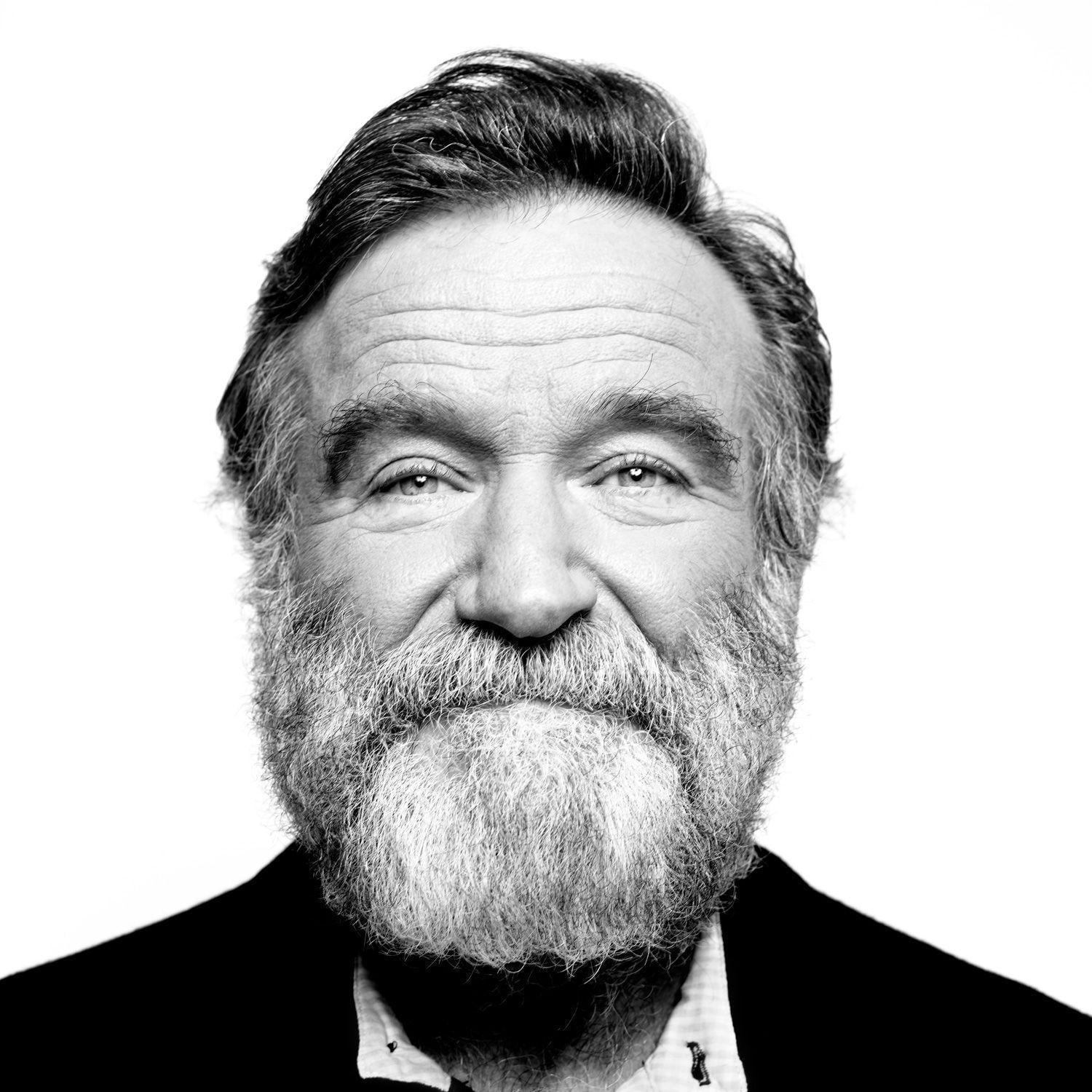
Robin Williams, a name synonymous with laughter, creativity, and a unique brand of comedy, continues to resonate deeply with audiences worldwide. His career spanned over four decades, during which he transformed the landscape of comedy and film. Williams’ ability to evoke joy while addressing profound human emotions made him a beloved figure whose impact is still felt today, particularly as conversations around mental health gain momentum.
Career Highlights
Williams burst onto the scene in the late 1970s with his role as Mork in the television series “Mork & Mindy,” which showcased his improvisational skills and boundless energy. His transition to film was marked by iconic roles in movies such as “Good Morning, Vietnam,” “Dead Poets Society,” and “Mrs. Doubtfire,” where he effortlessly blended comedy with poignant storytelling. In 1998, Williams earned an Academy Award for Best Supporting Actor for his role in “Good Will Hunting,” further solidifying his place in Hollywood history.
Personal Struggles and Advocacy
Despite his widespread success, Williams faced significant personal challenges, including depression and anxiety, which intensified later in life. In 2014, the tragic news of his death by suicide shocked the world, prompting a renewed discussion about mental health and the pressures faced by those in the public eye. In the wake of his passing, many fans and colleagues expressed their admiration for Williams, highlighting his contributions to the entertainment industry as well as his compassionate spirit.
Impact on Mental Health Awareness
Following his death, the “Robin Williams Foundation” was established, focusing on mental health education and awareness. This initiative aims to honour his legacy by advocating for better mental health resources and support. The documentary “Robin’s Wish,” released posthumously, provides insight into his struggles with Lewy body dementia and serves as a reminder of the invisible battles many individuals face.
Conclusion
The legacy of Robin Williams extends far beyond his remarkable body of work. His unique ability to connect with audiences, tackle serious topics through humour, and his own journey with mental health make him a pertinent figure in today’s dialogues about emotional well-being. As we reflect on his contributions to comedy and film, it is essential to continue the conversation around mental health, ensuring that his struggles lead to a greater understanding and compassion in society. Williams may be gone, but his impact and message continue to inspire and resonate.