Introduction
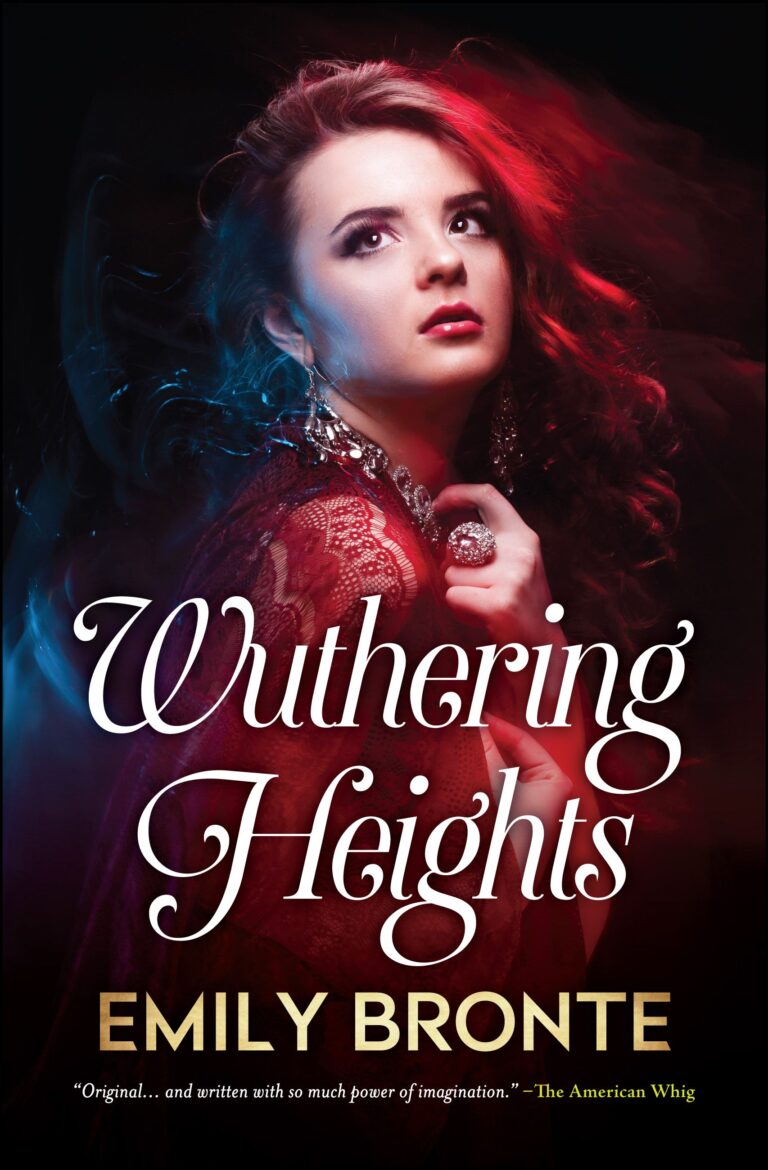
Wuthering Heights, written by Emily Brontë and published in 1847, is one of the most significant novels in English literature. It is renowned for its complex characters, gothic elements, and exploration of themes such as love, revenge, and the impact of nature on human emotions. Despite being a product of its time, Wuthering Heights continues to resonate with readers today, suggesting a deep connection to universal themes and the human experience.
Overview of the Novel
The story is set on the Yorkshire moors and revolves around the tumultuous relationship between Heathcliff and Catherine Earnshaw. From their childhood shared in the Earnshaw household to adult lives shaped by societal constraints and personal grievances, Brontë constructs a narrative that weaves in the themes of passion and despair. The non-linear storytelling, narrated through multiple perspectives, adds layers to the reader’s understanding of characters and their motivations.
Thematic Significance
Wuthering Heights delves deeply into the nature of love and obsession. Heathcliff’s love for Catherine is portrayed as all-consuming, leading to his ultimate demise and the grief that haunts the characters throughout the novel. The wild and unforgiving backdrop of the Yorkshire moors parallels the chaos of their relationship, symbolising the conflict between nature and civilisation.
Current Relevance
In recent months, Wuthering Heights has retained its status in contemporary discussions about mental health and toxic relationships, with scholars and readers alike reflecting on characters’ struggles with emotional turmoil and isolation. As societal norms evolve, the portrayal of love, loss, and revenge in the novel offers valuable insights, prompting discussions around how we understand relationships today.
Conclusion
The significance of Wuthering Heights extends far beyond its pages. Its exploration of human emotions, nature’s influence on our psyche, and the nature of love continues to engage readers, prompting new interpretations and analyses. As we move forward in a rapidly changing world, Brontë’s work stands as a reminder of literature’s power to reflect and challenge our own experiences in relationships and the complexities of the human heart.