Introduction
In the digital age, camera technology has become paramount across multiple sectors, including art, journalism, science, and security. The ability to capture images and video has not only transformed how we document our lives but also influenced how stories are told and conveyed to a wider audience. With continuous advancements in technology, such as the rise of smartphones and digital media, understanding the role and relevance of cameras in our daily lives has never been more crucial.
Current Trends in Camera Technology
The camera industry has seen significant innovations in recent years, with improvements in image quality, autofocus capabilities, and low-light performance. Industry leaders such as Canon, Nikon, and Sony are constantly competing to introduce features that enhance user experience. For instance, the introduction of mirrorless cameras has revolutionised the market by offering compact designs without sacrificing quality. According to the research firm, Convergence Research Group, the global camera market is projected to grow significantly, with a compound annual growth rate (CAGR) of 6.2% from 2021 to 2028.
Applications of Cameras in Various Fields
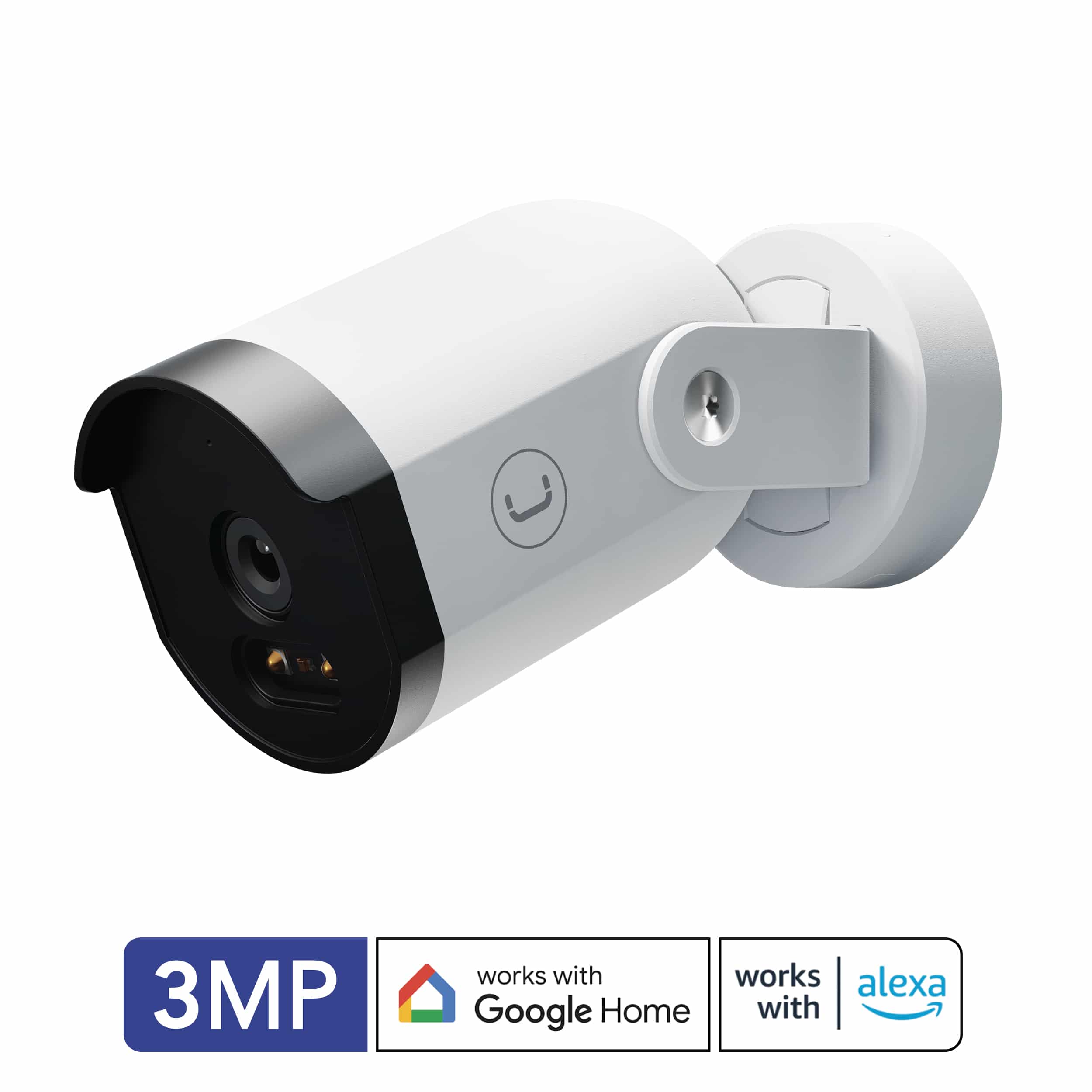
Cameras play a vital role in diverse applications. In the field of medicine, high-resolution cameras facilitate detailed diagnostic imaging, while in the world of art, photographers and artists utilise advanced technology to capture and express emotions. Moreover, in security, surveillance cameras have become essential for crime prevention and management. Recent data from the Security Industry Association shows that the global video surveillance market alone is expected to surpass $74 billion by 2025.
The Impact of Social Media and Influencer Culture
With the advent of platforms like Instagram and TikTok, the demand for high-quality camera equipment has surged among consumers. Influencers and content creators heavily rely on good camera gear to produce engaging content, making camera technology more accessible than ever. The rise in smartphone cameras, equipped with features such as multiple lenses and AI-driven enhancements, has led to an increase in photography enthusiasts, further driving innovation in the industry.
Conclusion
As camera technology continues to evolve, its significance in daily life can only be expected to grow. From enhancing our personal memories to shaping professional landscapes, cameras are at the forefront of storytelling and communication. Looking ahead, advancements in artificial intelligence and machine learning promise to further change how we capture and interact with our world through images. Consumers can expect even more revolutionary changes in the coming years, affirming the camera’s crucial role in contemporary and future societies.