Introduction
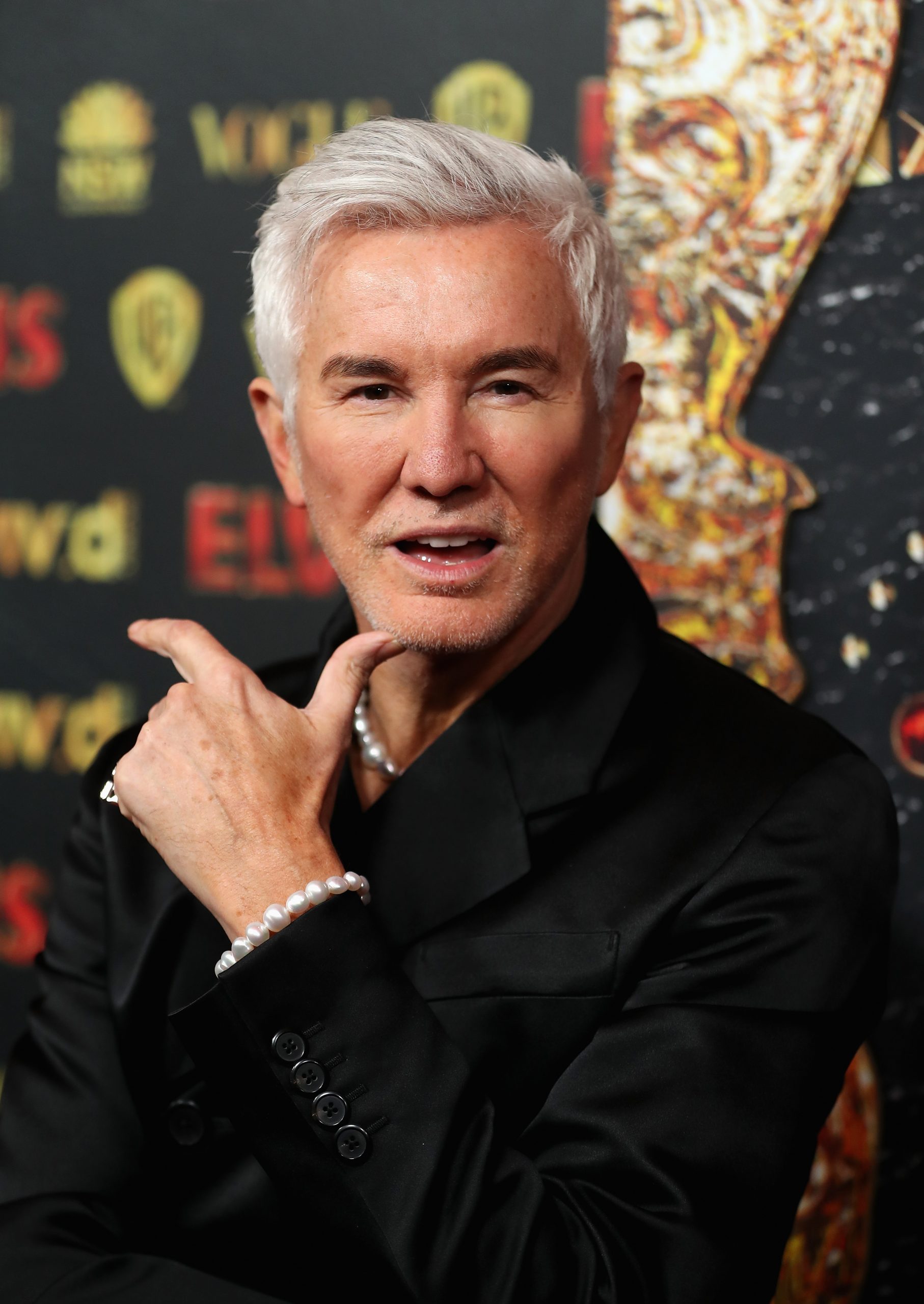
Baz Luhrmann, an iconic figure in the film industry, has made significant contributions with his bold storytelling approach and theatrical visuals. His works, characterised by vibrant colours, eclectic soundtracks, and innovative cinematography, have left a lasting impression on modern cinema. Understanding his impact is essential, as his films not only entertain but also challenge traditional narrative structures and visual aesthetics.
Key Works
Luhrmann first gained international acclaim with his adaptation of William Shakespeare’s ‘Romeo + Juliet’ in 1996, blending classic literature with contemporary culture. This film showcased his unique style, marked by fast-paced editing and a pop soundtrack, redefining how Shakespeare could be presented to modern audiences. Following this success, he directed ‘Moulin Rouge!’ in 2001, which further cemented his status as a visionary director. The film combined music, romance, and tragedy in a way that resonated with viewers worldwide, earning several Academy Awards and nominations.
Recent Endeavours
In the last few years, Luhrmann has continued to push the boundaries of filmmaking. His latest project, ‘Elvis’, released in 2022, explores the life of the legendary musician Elvis Presley. The film not only delves into Presley’s rise to fame but also examines the complex dynamics between him and his manager, Colonel Parker. Luhrmann’s distinctive storytelling and visual style breathe new life into the biopic genre, continually engaging audiences and critics alike.
Conclusion
Luhrmann’s impact on cinema reaches beyond entertainment; he invites audiences to experience stories richly layered with emotion and energy. By blending various artistic elements, he challenges filmmakers to think outside traditional narratives. As he continues to evolve as an artist, upcoming projects and collaborations promise to showcase his ambition and creativity further. For cinema lovers and budding filmmakers, studying Baz Luhrmann’s body of work offers crucial insights into the power of storytelling and the evolution of film as an art form.