Introduction
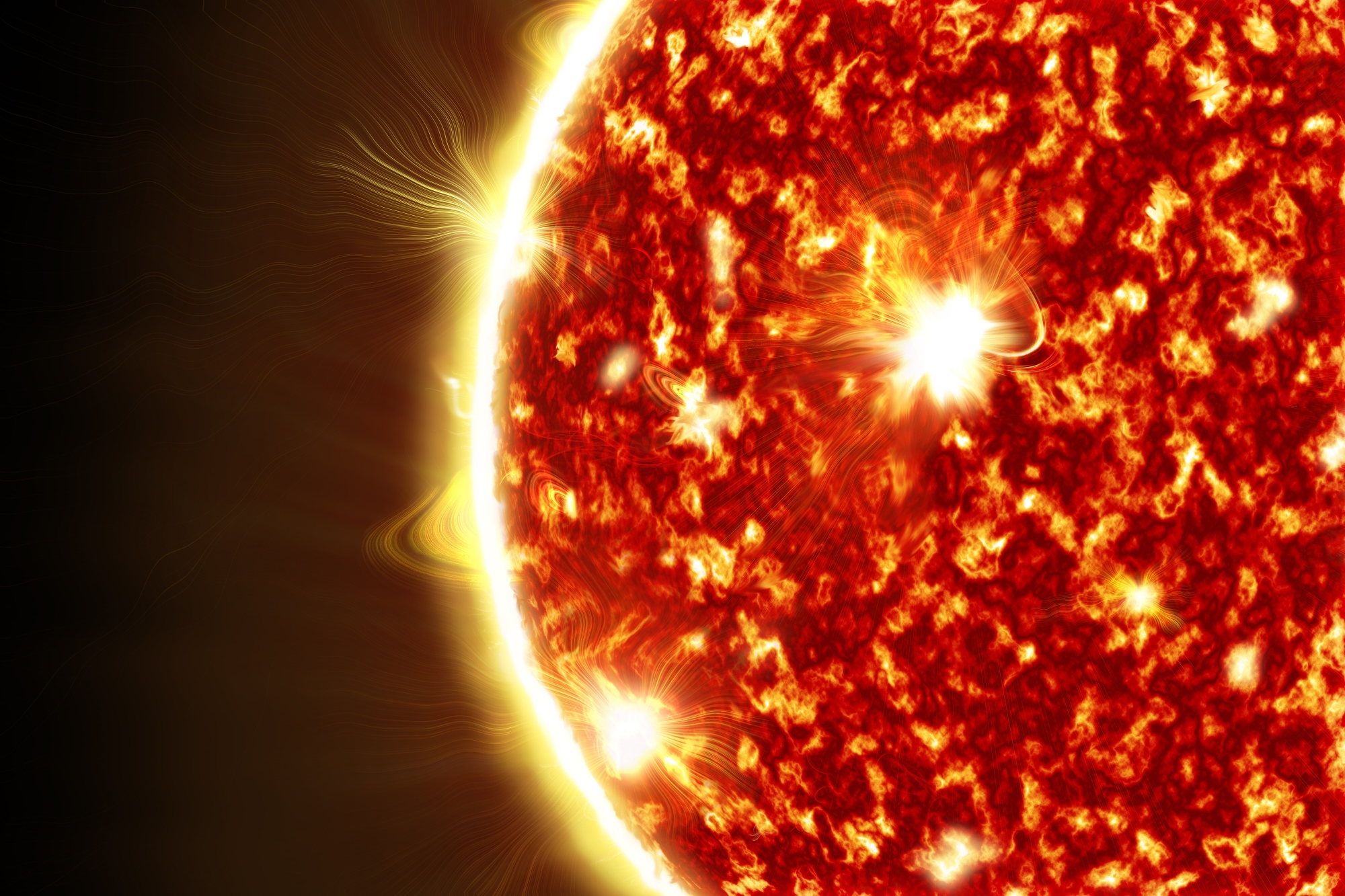
Sun solar flares are bursts of radiation from the sun’s surface that can have significant impacts on Earth, particularly in the realm of space weather. As society becomes increasingly dependent on technology, understanding solar flares is crucial to safeguard electronic systems and communication networks. Recently, increased solar activity has sparked renewed interest in this phenomenon and its potential repercussions.
What are Solar Flares?
Solar flares are intense bursts of radiation caused by the release of magnetic energy stored in the sun’s atmosphere. These events can release energy equivalent to millions of nuclear bombs in a fraction of a second. Flares are classified into categories based on their X-ray brightness: A, B, C, M, and X, with X-class flares being the most powerful.
Recent Events
In early October 2023, the National Oceanic and Atmospheric Administration (NOAA) reported a series of significant solar flares originating from active sunspot regions. One such flare, classified as X1.4, occurred on October 8, causing a temporary increase in radio frequency interference across various regions of the Earth. This marked one of the strongest solar activities witnessed in the last decade.
These solar flares not only affect communication systems but can also disrupt navigation systems like GPS and impact power grids, leading to potential outages. The impact on aviation is also notable, especially for flights that cross polar routes, where increased radiation exposure can pose risks to passengers and crew.
Implications and Forecasts
Experts predict that the current solar cycle, Solar Cycle 25, which began in December 2019, is expected to peak in 2025. As a result, an upsurge in solar activity, including flares, can be anticipated. Research is ongoing to improve forecasting techniques, enabling better preparation against the disruptive potential of solar flares.
Conclusion
The phenomenon of sun solar flares highlights the intricate relationship between our planet and solar activity. As scientists continue to monitor and study these events, our understanding of their mechanics will enhance our ability to mitigate the effects on technology and infrastructure. Being equipped with this knowledge is vital, given our reliance on technology in an era where solar activity is predicted to intensify in the coming years.