Introduction
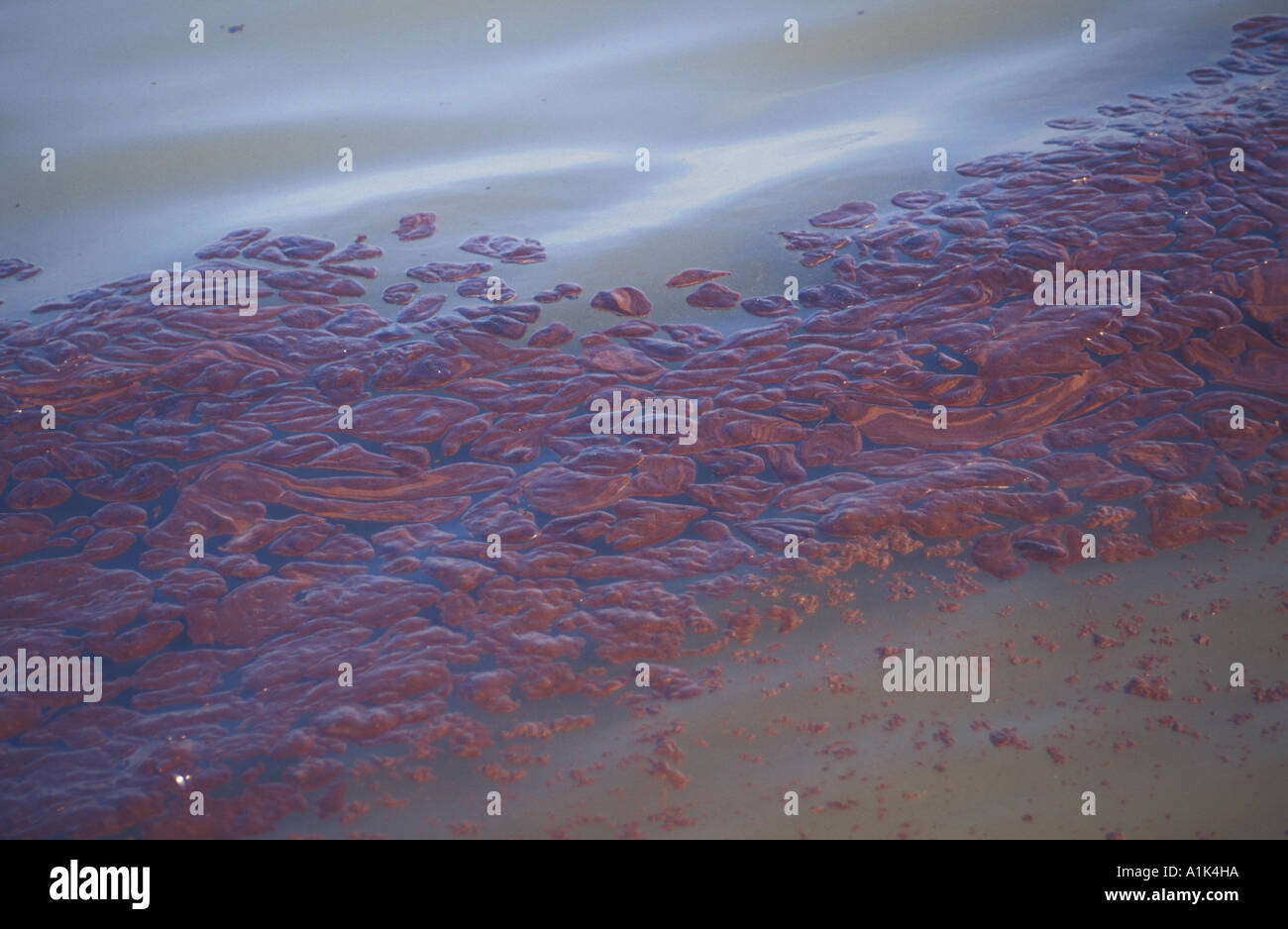
The Sea Empress oil spill, which occurred in February 1996, is one of the most significant environmental disasters in the United Kingdom’s history. This incident involved the spill of approximately 72,000 tonnes of crude oil into the waters off the coast of Pembrokeshire, Wales. Understanding the Sea Empress oil spill is crucial not only for its immediate effects on marine life and local communities but also for its long-lasting implications on environmental policies and oil spill management approaches worldwide.
Details of the Incident
The Sea Empress, a 147,000-tonne supertanker, was navigating into the Milford Haven waterway when it collided with a buoy and subsequently ran aground due to poor weather conditions. The collision led to significant damage to the vessel’s hull, resulting in a massive release of oil into the surrounding areas. Efforts to contain the spill were initiated immediately, but the sheer volume of oil released made it an unprecedented challenge for cleanup operations.
The spill had devastating effects on local wildlife and ecosystems. Experts estimated that over 100,000 seabirds, dolphins, and fish were killed as a direct result of the oil contamination. Additionally, the spill resulted in long-term ecological consequences in the region, with persistent oil residues affecting habitats for years following the incident.
Response and Cleanup Efforts
In response to the spill, the UK government implemented a series of actions aimed at mitigating the damage. An extensive cleanup operation commenced immediately, employing thousands of volunteers and professionals in oil recovery and rehabilitation efforts. Despite these efforts, it became evident that the effectiveness of the response was hampered by the lack of preparedness and appropriate equipment, igniting discussions around improving oil spill response frameworks.
Conclusion
The Sea Empress oil spill serves as a significant case study in environmental management, illustrating the dire consequences of oil spills on marine ecosystems. In the aftermath of the disaster, regulatory changes were proposed, leading to reform in maritime safety and oil spill preparedness. As the world continues to grapple with environmental issues and the risks associated with fossil fuel transportation, the lessons learned from the Sea Empress incident remain pivotal in shaping policies aimed at protecting marine environments for future generations. The spill not only highlights the fragility of marine ecosystems but also ignites ongoing conversations about reducing reliance on fossil fuels and promoting sustainable energy alternatives.