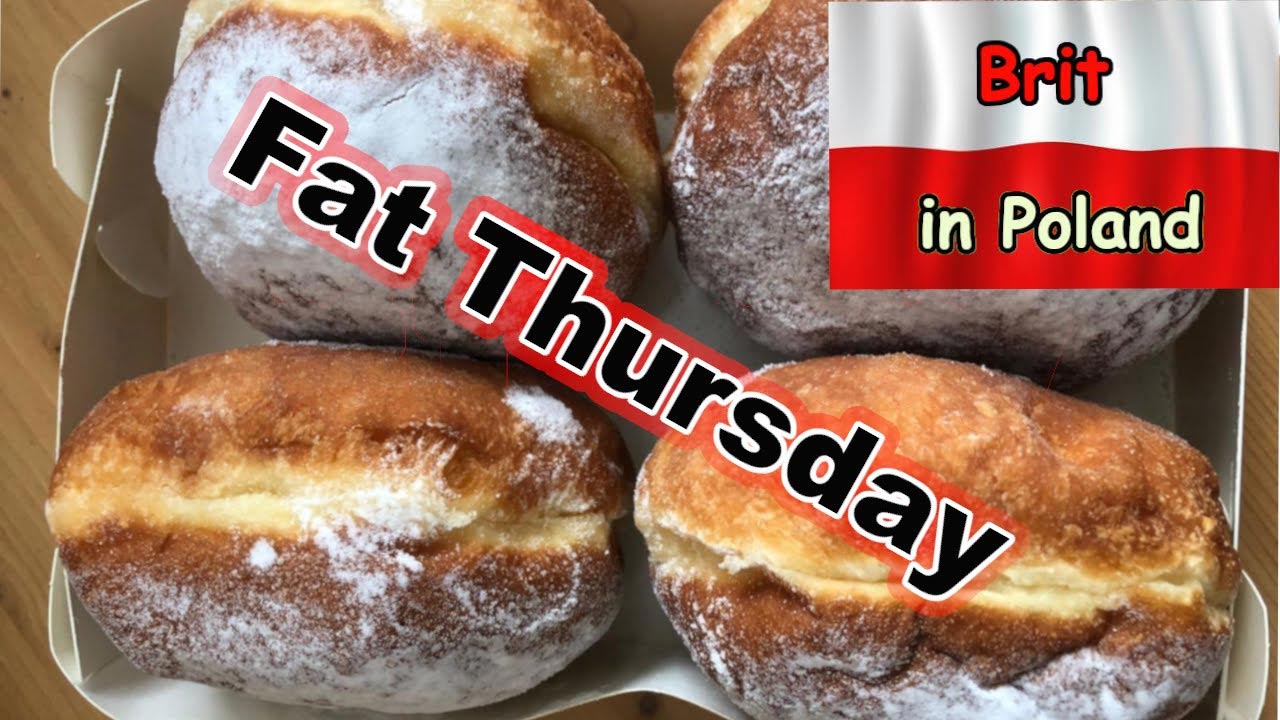
Significance of Fat Thursday
Fat Thursday, known in Poland as Tłusty Czwartek, is a cherished culinary tradition that marks the last Thursday before Lent. This festive occasion, celebrated widely across Poland, holds significant cultural importance as it offers an opportunity to indulge in sweet treats before the fasting period begins. The day is synonymous with the consumption of pączki – rich, filled doughnuts that are central to this celebration.
Culinary Delights of Tłusty Czwartek
On Fat Thursday, bakeries in Poland prepare special batches of pączki, often filled with fruit preserves, creams, or sweet pastes, and dusted with icing sugar or powdered sugar for added sweetness. According to reports from the Polish Bakery Association, it’s estimated that over 100 million pączki are consumed during this day alone. Residents often queue outside their local bakeries as early as dawn to secure these iconic pastries.
Modern Celebrations and Traditions
In recent years, the celebration of Tłusty Czwartek has evolved beyond just pączki. Many people now gather with family and friends to enjoy coffee or tea pairing with their doughnuts, fostering a sense of community and togetherness. Besides enjoying pączki, some also indulge in faworki, crispy pastries dusted with powdered sugar. Different regions have their unique twists on these traditional foods, making it a diverse culinary experience.
Conclusion: The Future of Fat Thursday
As the tradition of Fat Thursday continues to hold an esteemed place in Polish culture, experts predict that its popularity may reach international heights. With increasing global interest in Polish cuisine, it’s likely we will see pączki gaining traction in other countries, especially around this time of year. This festive day not only celebrates sweet indulgence but also strengthens cultural bonds and family ties, highlighting the significance of food in bringing people together.