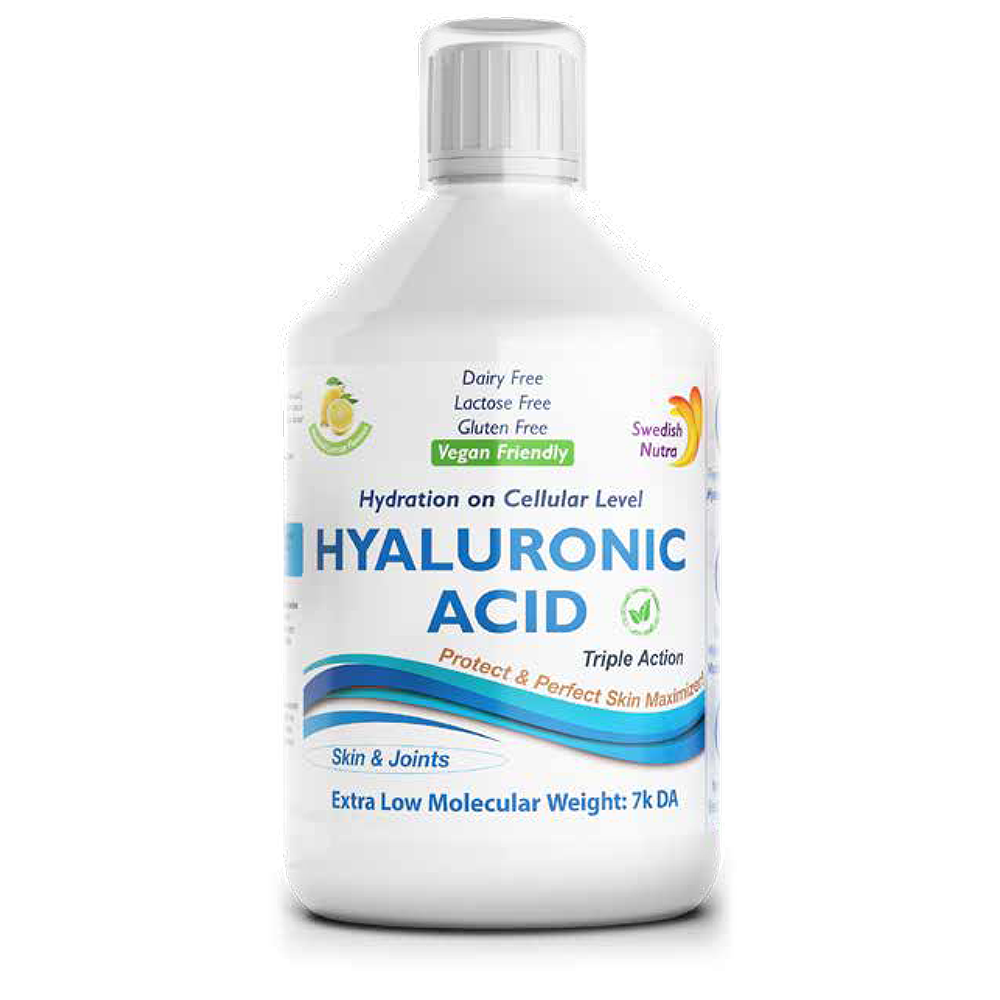
Introduction to Hyaluronic Acid
Hyaluronic acid (HA) has gained significant attention in the fields of skincare and medical treatments due to its remarkable hydrating properties. As a naturally occurring substance in the body, it plays a crucial role in maintaining moisture levels, which is essential for healthy skin and joints. Understanding its applications and benefits is becoming increasingly important, especially for those interested in skincare solutions and health advancements.
What is Hyaluronic Acid?
Hyaluronic acid is a glycosaminoglycan, a type of molecule found throughout the body, particularly in connective tissues, cartilage, and skin. It has the unique ability to hold up to 1,000 times its weight in water, making it a powerful hydrator. As we age, our body’s natural production of hyaluronic acid decreases, leading to dryness, wrinkles, and joint discomfort. This has spurred a rise in the supplementation and topical application of HA, particularly in the beauty industry.
Uses of Hyaluronic Acid
In the skincare industry, hyaluronic acid is commonly found in serums, moisturisers, and injectable fillers. It helps improve skin elasticity, reduces the appearance of fine lines, and promotes a more youthful complexion. A 2023 study published in the Journal of Cosmetic Dermatology highlighted that regular use of hyaluronic acid products can enhance skin hydration and improve overall texture.
Beyond skincare, HA is also used in joint injections for osteoarthritis relief, as it helps lubricate joints and provides cushioning. Medical professionals have also incorporated it into eye surgeries and treatments for dry eyes due to its hydrating properties.
Current Trends and Developments
The demand for hyaluronic acid products continues to grow, with recent trends showcasing its use in innovative formulations such as gut health supplements and anti-ageing treatments. 2023 saw a significant increase in the number of brands incorporating HA into their product lines, confirming its position as a staple ingredient. Furthermore, advancements in biotechnology are paving the way for more sustainable production methods of hyaluronic acid, focusing on reducing environmental impact and increasing bioavailability.
Conclusion
In summary, hyaluronic acid is a vital substance with a wide range of applications in both skincare and medical fields. Its impressive hydrating abilities make it a sought-after ingredient for maintaining youthful skin and improving joint health. As research continues and new formulations emerge, the significance of hyaluronic acid is expected to expand, further advancing its role in beauty and wellness. For consumers, staying informed about the benefits and applications of hyaluronic acid can guide choices in skincare and health, ensuring their routines are both effective and nourishing.