Introduction
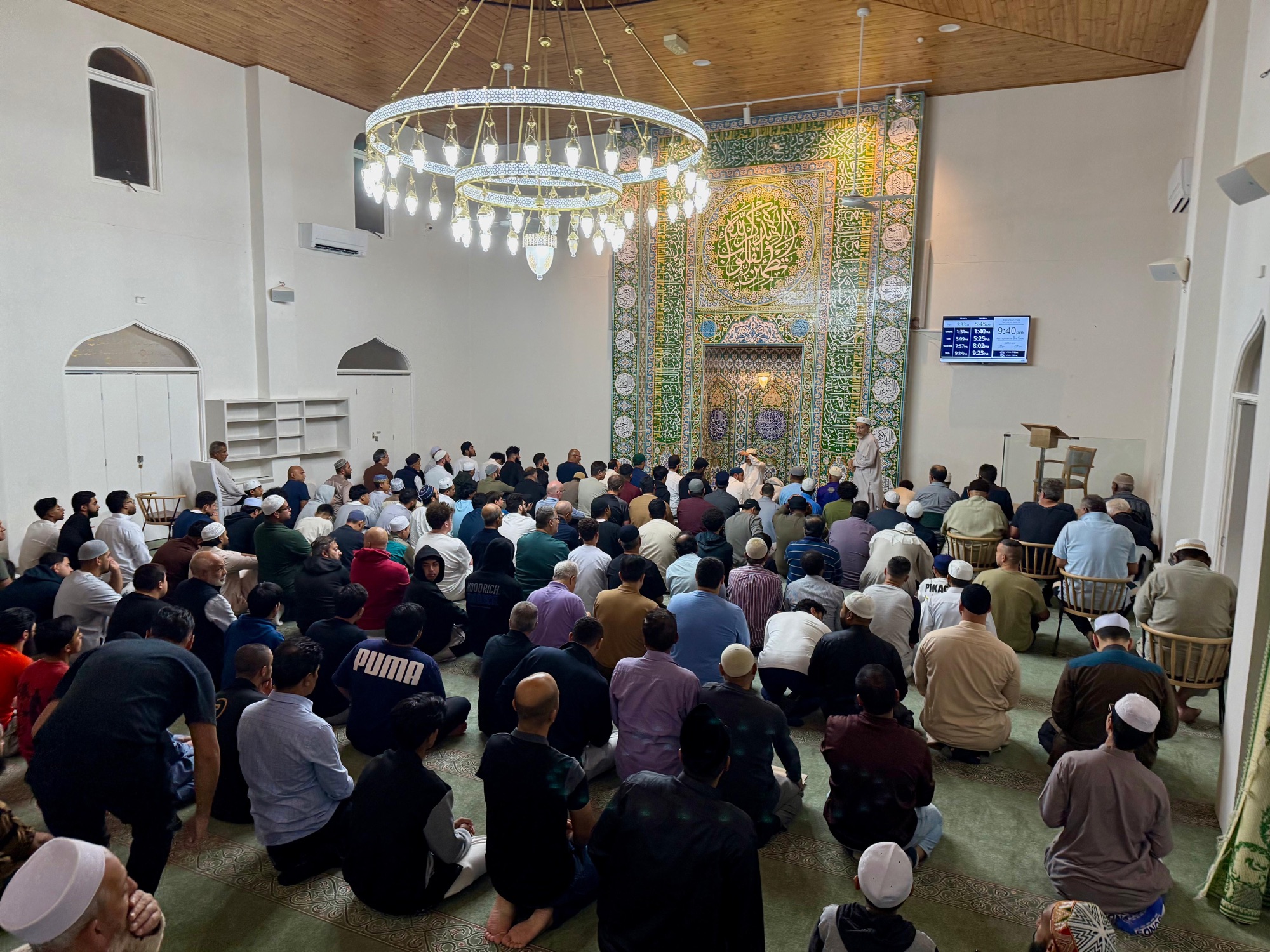
Taraweeh prayer holds significant importance for Muslims during the holy month of Ramadan. This special prayer is performed at night after the obligatory Isha prayer, providing an opportunity for spiritual reflection and increased devotion. As Ramadan draws near, understanding the Taraweeh prayer and its significance becomes essential for believers aiming to maximise their Ramadan experience.
What is Taraweeh Prayer?
Taraweeh prayer consists of additional units of prayer, known as rak’ahs, that are performed specifically during Ramadan. Traditionally, Muslims perform a total of 20 rak’ahs, although variations exist across different communities. The practice dates back to the time of Prophet Muhammad, who would offer these prayers in congregation, facilitating a sense of unity among the Muslim community.
The Spiritual Benefits
The spiritual benefits of Taraweeh are manifold. Engaging in this nightly prayer allows Muslims to enhance their relationship with Allah and seek forgiveness for their sins. The extended recitation of the Quran during Taraweeh also aids in the memorisation of the holy text, aligning perfectly with the Islamic belief that Ramadan is the month of the Quran.
Current Trends and Adaptations
In light of recent global events, including the COVID-19 pandemic, congregational Taraweeh prayers have adapted. Many mosques enforced social distancing measures, prompting the use of online platforms for virtual prayers. This adaptation has allowed communities to remain connected, even while apart. Additionally, some individuals have chosen to observe Taraweeh at home, ensuring that spiritual practices continue unimpeded.
Conclusion
The Taraweeh prayer remains an integral aspect of Ramadan, enriching the spiritual lives of Muslims around the world. As communities continue to adapt to changing circumstances, the essence of Taraweeh endures, offering a moment of peace, reflection, and unity. For Muslims, being mindful of this practice not only aids in enhancing their faith but also serves as a reminder of the deeper connections established within their community during this sacred month. Looking to the future, it is anticipated that Taraweeh prayer will continue to adapt, ensuring access to these important spiritual experiences, whether in a congregation at the mosque or within the home.