Introduction
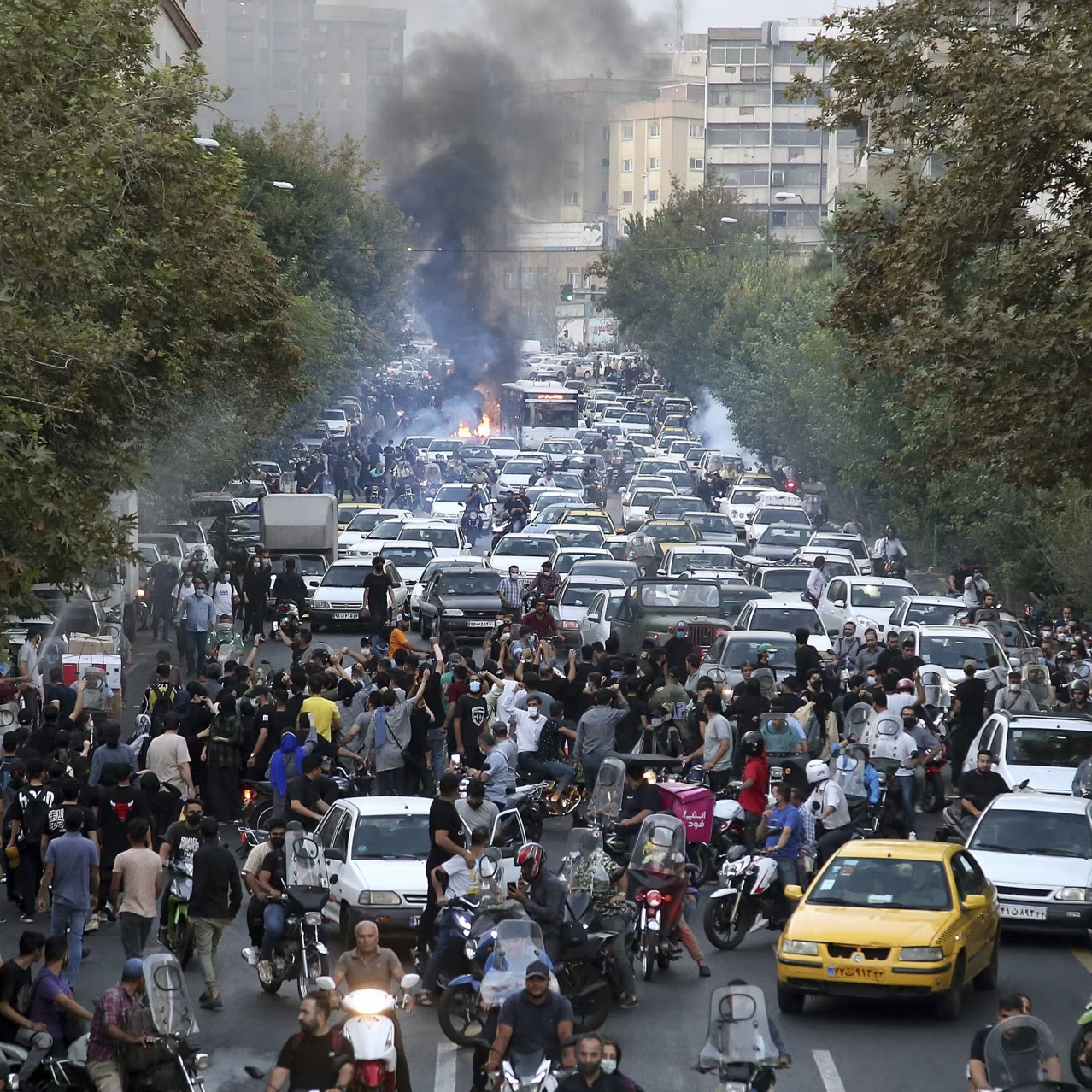
The protests in Iran have emerged as a pivotal movement in the struggle for freedom and human rights within the country. Sparked by the death of Mahsa Amini in September 2022, these protests have seen individuals from various walks of life come together to demand accountability, justice, and significant change in the Iranian regime. As international attention turns towards these demonstrators, understanding the context and implications of their demands becomes crucial for global discourse on democracy and human rights.
Background of the Protests
The catalyst for the ongoing protests was the tragic death of 22-year-old Mahsa Amini, who died after being detained by the morality police for allegedly violating Iran’s strict dress code. Her death ignited nationwide outrage, manifesting in protests that transcended mere calls for women’s rights and evolved into a broader quest for social and political reforms in Iran. The demonstrators’ chants of “Women, Life, Freedom” resonate deeply as they challenge not only the dress code but the very foundation of the regime’s control.
Recent Developments
Over the past year, the protests have gained sustained momentum, with significant participation across various cities including Tehran, Isfahan, and Shiraz. The Iranian government has responded with a heavy hand, employing violent crackdowns, arrests, and internet blackouts to suppress dissent. Reports from human rights organisations indicate that hundreds of protesters have been killed, while thousands more have faced imprisonment.
Despite the government’s retaliatory measures, the international community has shown increasing support for the protesters. Various nations have imposed sanctions on Iranian officials linked to the repression of peaceful demonstrations, while global leaders have voiced solidarity with the Iranian people. Additionally, social media has played a crucial role in bringing attention to the plight of the protesters, allowing their voices to resonate beyond Iran’s borders.
Conclusion
The ongoing protests in Iran represent a significant chapter in the country’s history, highlighting the desperate yearning for freedom and reform amongst its people. The determination exhibited by the citizens—particularly women—signals a formidable resistance against systemic oppression. Looking ahead, the continuation of these protests could have profound implications for the future of Iran, potentially leading to substantive political change or further repression from the government. As citizens strive for their rights, the global community faces the moral imperative to support their calls for justice and reform. The significance of the Iran protests extends beyond the borders of the nation, reflecting universal struggles for human dignity and freedom.