Introduction
The Last Duel, directed by Ridley Scott, is a film that has captured the attention of cinema-goers and historians alike. Set against the backdrop of 14th-century France, it recounts a significant event—the last officially recognised judicial duel sanctioned by the French crown. With themes of honour, betrayal, and justice, the film raises questions about the historical narratives surrounding gender and power that resonate even today.
The Story and Historical Context
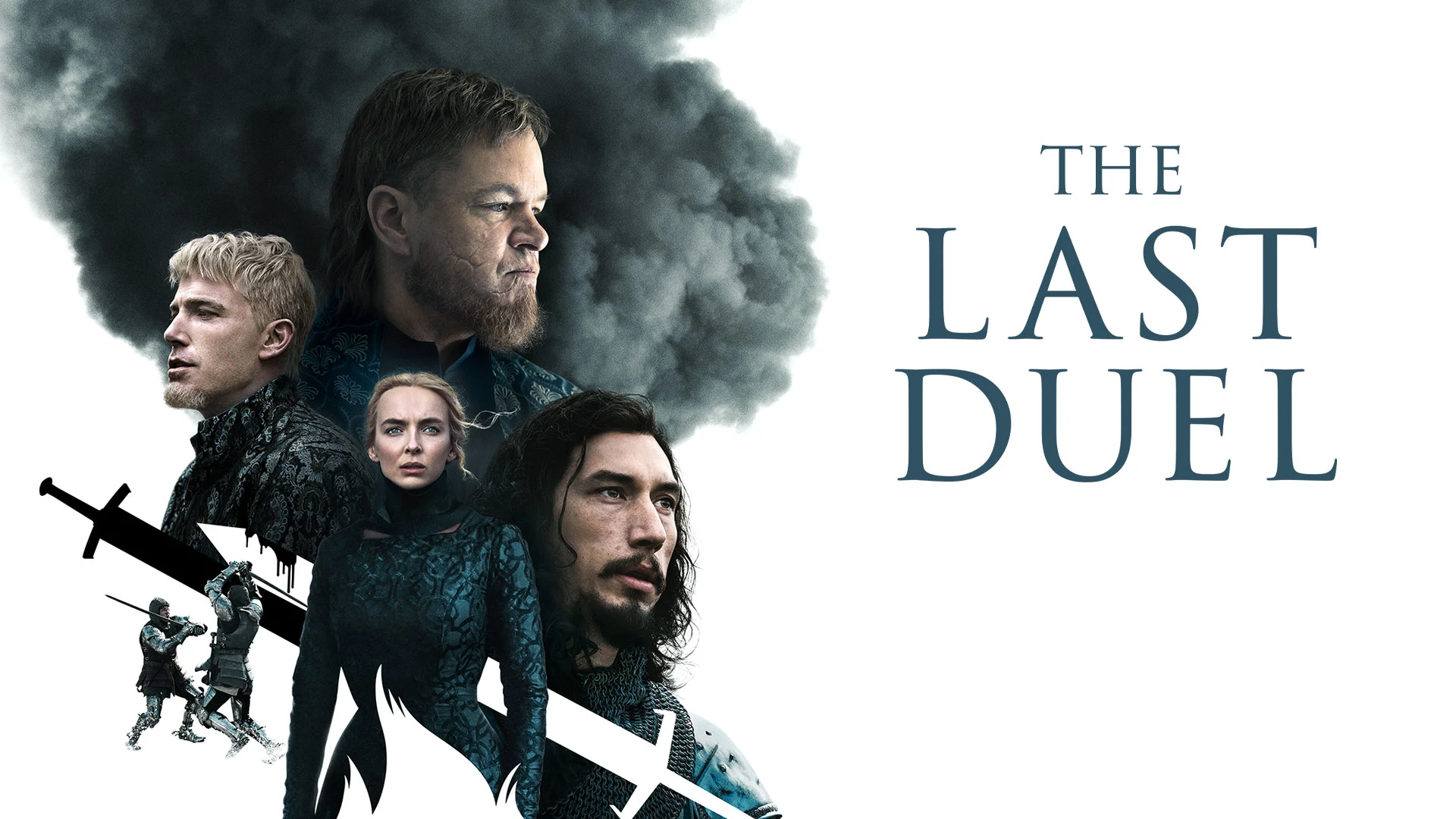
The Last Duel stars Matt Damon as Jean de Carrouges, a knight, and Adam Driver as Jacques Le Gris, a squire. The story unfolds from three differing perspectives, including that of Marguerite de Carrouges, played by Jodie Comer, who accuses Le Gris of a heinous crime. This layered storytelling is crucial; it not only highlights the importance of women’s voices in historic accounts but also emphasises how perceptions of honour and shame influenced actions of the powerful during medieval times.
The film is based on Eric Jager’s book, detailing real events from history. The judicial duel occurs after the accusations made by Marguerite, leading to the king’s decision to allow the men to resolve their conflict through combat—a practice that illustrates the harsh realities of law and social order in that era.
Reception and Significance
The Last Duel has been met with a variety of responses from critics and audiences. Some praise its bold narrative structure and the performances of the lead actors, particularly Comer’s portrayal of Marguerite, which has been highlighted for bringing a modern sensibility to a historical figure often overlooked by traditional narratives. Others have critiqued the film for its pacing and balance, prompting discussions about how stories of the past are presented in contemporary settings.
In current context, The Last Duel is more than just a historical drama; it serves as a mirror reflecting today’s societal issues surrounding consent, justice, and gender dynamics. As discussions around these topics remain critical in contemporary society, the film prompts viewers to engage with history and its relevance to ongoing conversations about women’s rights and representation.
Conclusion
The Last Duel stands as a significant cultural artefact that challenges audiences to reconsider historical narratives through a modern lens. Its release spurs vital conversations about how stories, particularly those involving power dynamics and gender, are told and retold. Looking ahead, as discussions on similar topics continue to evolve, films like The Last Duel may help shape understanding and dialogue, affirming their significance in both cinema and society.