Introduction
San Siro Stadium, officially known as Stadio Giuseppe Meazza, is one of the most iconic football venues in the world. Located in Milan, Italy, it serves as the home ground of two of the country’s most celebrated football clubs, AC Milan and Inter Milan. The stadium not only hosts pivotal matches in Serie A but also represents a significant part of Italian sports culture and history. As the world evolves, the future of San Siro is currently a topic of heated debate, making it a relevant subject for football enthusiasts and city dwellers alike.
Historic Significance
Opened in 1926, San Siro initially hosted AC Milan matches. It underwent several renovations over the decades, increasing its capacity to approximately 75,000 spectators, making it one of the largest stadiums in Europe. Its architectural design showcases a blend of functionality and aesthetic appeal, characterised by its distinctive, towering concrete structure.
Throughout its history, San Siro has been the stage for numerous memorable events, including World Cup matches and European championship finals. The stadium has seen legends like Diego Maradona, Pelé, and more recently, Cristiano Ronaldo, leaving their imprint on its hallowed turf, contributing to its status as a ‘cathedral of football.’
Current Events and Future Prospects
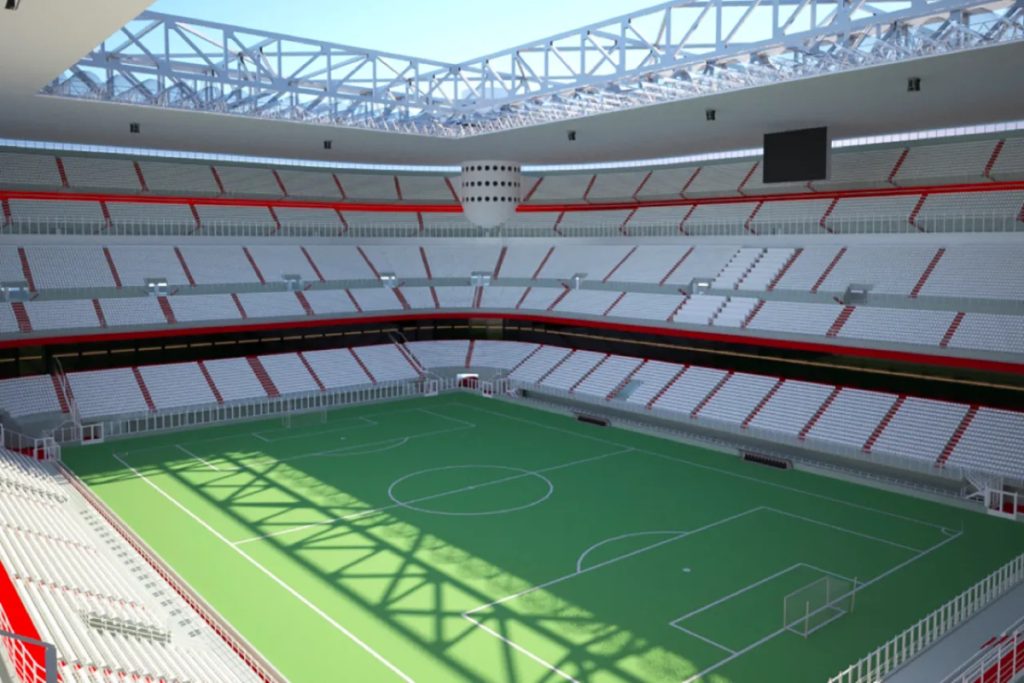
As of 2023, discussions surrounding the future of San Siro have intensified, with plans proposed for a new stadium. This has sparked a ripple of opinions among fans, stakeholders, and residents, weighing the benefits of modernisation against the sentimental value of this historical site. The city of Milan is considering partnerships with various stakeholders to ensure a project that meets contemporary needs while respecting the iconic materials that define the stadium.
Recent announcements indicate that the new development may include advanced facilities that cater to the evolving demands of both players and fans while preserving the nostalgic charm that has drawn millions to the venue over the years. The proposal could also feature more public spaces, enhancing the stadium’s role in the community beyond just a football venue.
Conclusion
The future of San Siro is poised to be a pivotal point in Milan’s sporting landscape. As the city grapples with balancing modernisation with historical preservation, fans remain hopeful that any developments will honour the legacy of this great stadium. Whether it continues as is or transforms into a new facility, San Siro will always hold a prominent place in the hearts of football fans around the globe. The ongoing discussions will undoubtedly shape how future generations experience this iconic venue, ensuring that it remains a cornerstone of football culture in Italy.