Introduction
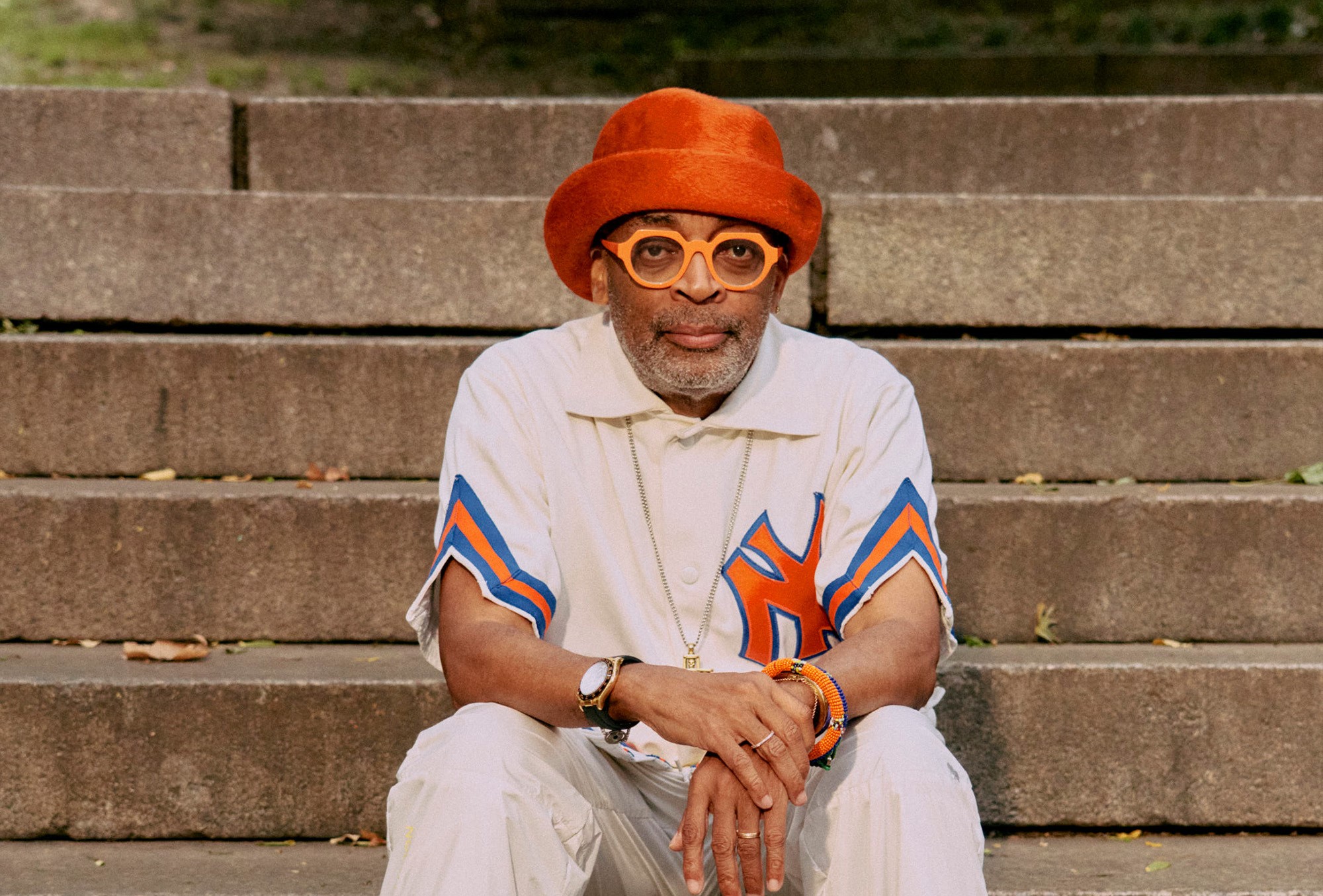
Spike Lee has been a formidable force in American cinema since the late 20th century. Renowned for his distinctive storytelling and bold themes, Lee’s work often addresses social issues including race, justice, and identity. As the film industry evolves, Lee’s contributions remain relevant, shining a light on both the art of filmmaking and the importance of activism in societal change.
Career Highlights
Lee was born on March 20, 1957, in Atlanta, Georgia, and raised in Brooklyn, New York. He made his directorial debut with the film She’s Gotta Have It in 1986, which garnered critical acclaim and established his unique voice in cinema. His subsequent works, such as Do the Right Thing (1989) and Malcolm X (1992), centered on the African American experience, capturing the struggles and resilience of Black communities.
In 2020, Lee made headlines once again with his film Da 5 Bloods, which centres on a group of African American veterans returning to Vietnam to retrieve the remains of their fallen squad leader and a cache of gold. The film explores themes of war, trauma, and the quest for justice, reinforcing Lee’s commitment to tackling contemporary issues through film.
Recent Projects and Activism
In recent years, Lee has continued to influence the film world while remaining an outspoken advocate for civil rights. His directorial efforts have included commercials, documentaries, and a significant focus on political activism. In 2023, he participated in numerous discussions on racial equality and police brutality, using his platform to call for societal reform.
Lee’s documentary 09:26:50:01, released in 2021, covered the events surrounding the pandemic and the racial justice protests, illustrating the intersection of social movements during a tumultuous time in history.
Conclusion
Spike Lee’s enduring legacy as a filmmaker and activist continues to resonate deeply with audiences and provides vital commentary on the society we live in. His ability to push boundaries and provoke thought is unmatched, making him not only a significant figure in cinema but also a critical voice in contemporary social issues. As we look to the future, Lee’s work will likely inspire new generations of filmmakers and activists alike, ensuring his influence will carry on in advocating for change and justice.