Introduction
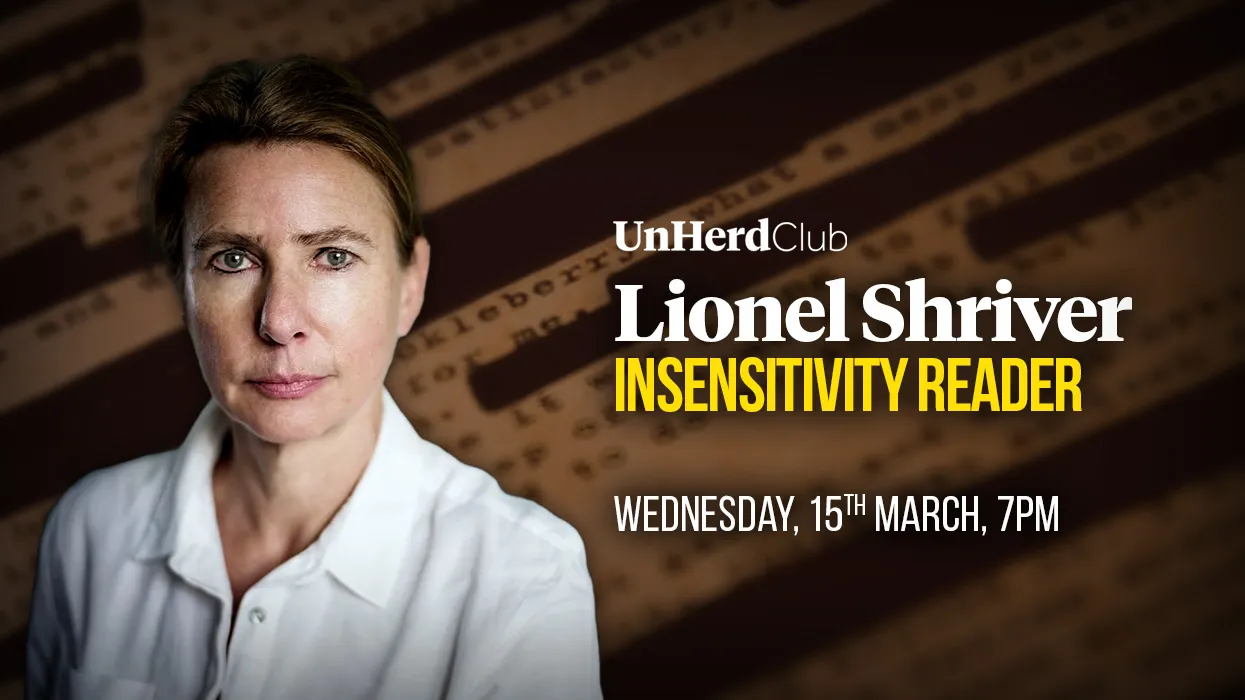
Lionel Shriver, an acclaimed American author, has made significant contributions to contemporary literature, with works that often provoke critical thought and discussion. Known for her sharp wit and unflinching examination of social issues, Shriver’s narrative style captivates readers and challenges conventions. As we delve into her career and recent developments, it becomes clear why her work remains relevant in today’s literary landscape.
Notable Works and Themes
Shriver’s most famous novel, We Need to Talk About Kevin, published in 2003, explores the devastating effects of a mother’s relationship with her psychopathic son. The book received widespread acclaim, winning the Orange Prize for Fiction, and was adapted into a successful film. Shriver’s exploration of complex themes such as motherhood, identity crisis, and societal expectations challenges readers to confront uncomfortable truths.
In her subsequent works, including The Post-Birthday World and So Much for That, Shriver continues to tackle contentious subjects, from the implications of personal choice to the ethics of healthcare. Her ability to weave personal stories with broader societal commentary has solidified her place in the literary canon.
Recent Developments
In 2023, Shriver released a new novel titled The New Republic, exploring the intricacies of modern politics and its impact on individual lives. Critics have praised the book for its timely relevance and Shriver’s signature incisive prose. Furthermore, as the literary community grapples with the global rise of censorship, Shriver remains a vocal advocate for freedom of speech, often addressing the implications of cancel culture in her essays and public appearances.
Conclusion
Lionel Shriver’s literary achievements and her engagement with critical social issues position her as a vital figure in contemporary literature. With a career spanning over two decades, her work not only entertains but also encourages reflection on the complexities of human experience. As she continues to write and speak out on important topics, Shriver’s influence is poised to last, reminding readers of the power of literature to provoke, challenge, and inspire.