Introduction
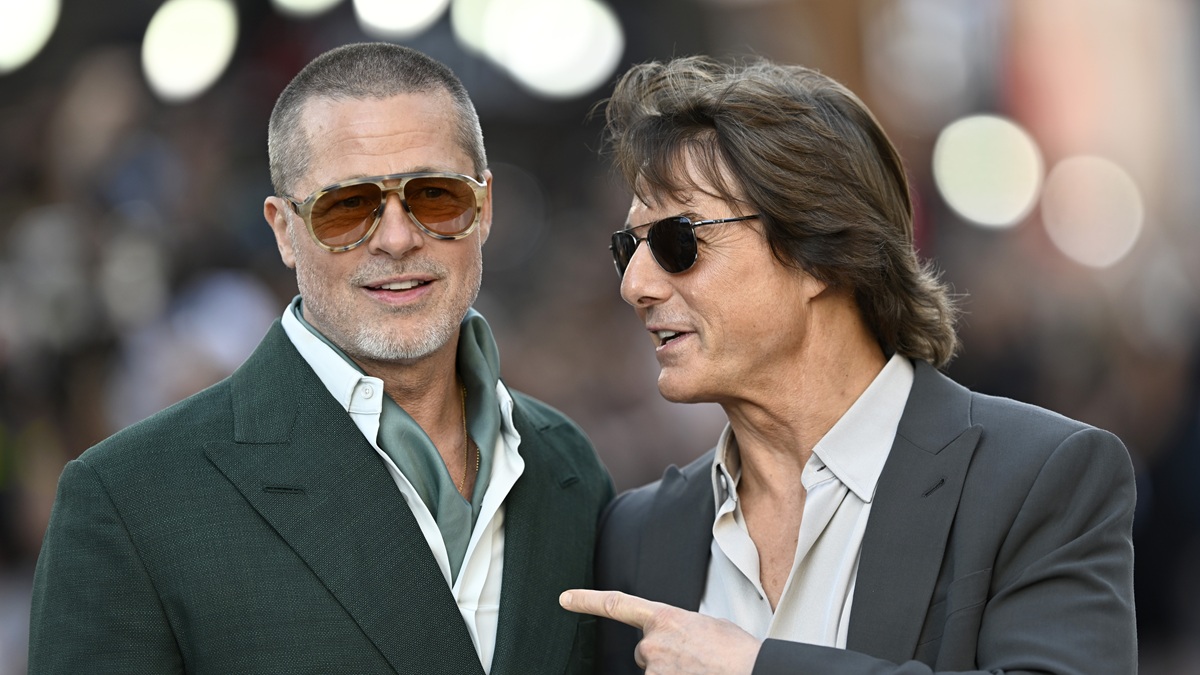
The recent boom in artificial intelligence technology has revolutionised various industries, including entertainment. An AI-generated video featuring Hollywood icons Tom Cruise and Brad Pitt has captured significant attention for its groundbreaking use of AI in film and media. This video not only brings these two megastars together but also raises discussions about the future of filmmaking and ethical implications surrounding AI.
Details of the AI Video
The video, which showcases a scenario where Cruise and Pitt engage in a friendly conversation, highlights the advanced capabilities of AI in creating hyper-realistic simulations of real-life individuals. Using deepfake technology, the creators of the video were able to capture the likenesses and mannerisms of both actors seamlessly. This was achieved by training AI algorithms on various images and video clips of Cruise and Pitt, resulting in a product that has astonished viewers for its authenticity.
Since its release, the video has gone viral, attracting millions of views on social media platforms. Comments have ranged from awe at the technology to concerns over the implications of AI in entertainment. Critics argue that while this technology offers exciting possibilities, it also poses risks of misinformation and copyright infringement.
Implications for the Film Industry
The emergence of such AI-driven content is part of a larger trend within the entertainment industry. Production companies are increasingly exploring AI’s potential to enhance storytelling and production efficiency. Some experts predict that AI could soon play a pivotal role in screenwriting, casting, and even post-production processes.
However, this also raises ethical questions regarding the use of actors’ likenesses without their consent and the potential job displacement for various roles within the industry. A clear framework concerning rights, usage, and compensation for using an actor’s image is essential as this technology continues to develop.
Conclusion
The Tom Cruise and Brad Pitt AI video serves as a snapshot of the rapidly evolving interplay between technology and entertainment. While it showcases the potential for creative storytelling and innovation, it also prompts necessary discussions about the ethical parameters surrounding AI use in media. As this technology evolves, viewers and industry professionals alike must navigate the balance between innovation and the safeguarding of artistic integrity. The future promises thrilling developments, but it will equally require careful consideration of the ramifications on both creators and audiences.