Introduction
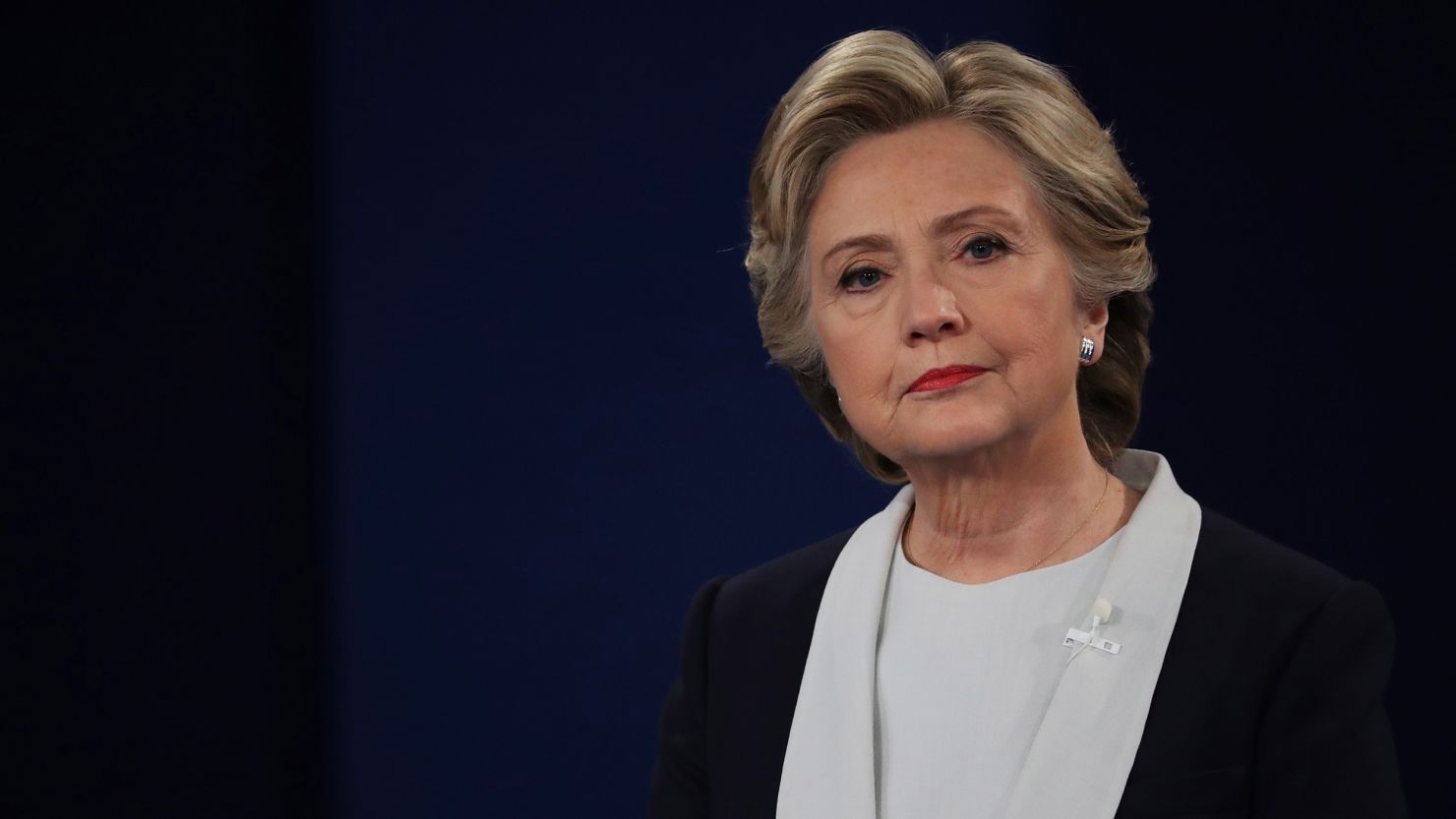
Hillary Clinton remains one of the most prominent figures in American politics, known for her extensive career as a lawyer, politician, and public servant. Her journey from First Lady to U.S. Senator and Secretary of State has shaped her legacy and continues to influence political discourse in the United States. As the political landscape evolves, understanding her role becomes increasingly relevant, especially during times of rising partisan tensions.
Political Career Highlights
Hillary Clinton first came to the national stage as First Lady during Bill Clinton’s presidency from 1993 to 2001. She emerged as a strong advocate for healthcare reform and women’s rights, creating a foundation for her political aspirations. In 2000, she made history by becoming the first female senator from New York. During her tenure, she served on several committees and was involved in numerous initiatives, including post-9/11 recovery efforts.
From 2009 to 2013, Clinton served as Secretary of State under President Barack Obama. Her tenure included significant events such as the response to the Arab Spring, the military intervention in Libya, and a renewed focus on Asia through the ‘Pivot to Asia’ strategy. Her handling of foreign policy showcased her diplomatic skills, although it also faced criticism, especially regarding the Benghazi attack in 2012.
2016 Presidential Campaign
In 2015, Clinton launched her campaign for the presidency, seeking to become the first female president of the United States. Her campaign focused on issues like inequality, healthcare, and women’s rights. Despite securing the Democratic nomination, Clinton faced significant challenges and was ultimately defeated by Donald Trump in a contentious election. The fallout from the election has led to ongoing discussions about race, gender, and political polarization in America.
Current Influence and Future Prospects
In the years following her campaign, Clinton has remained active in public life, participating in discussions on social justice, women’s rights, and democratic engagement. She has authored several books, including her memoir, “What Happened,” reflecting on her experiences in politics. As the 2024 presidential election approaches, her involvement could again become significant, particularly if the Democratic Party seeks to maintain its foothold amid rising challenges from the Republican Party.
Conclusion
Hillary Clinton’s political journey illustrates the complexities of female leadership within a challenging political landscape. With her background in policy, advocacy, and public service, her contributions continue to resonate with many across the nation. As America navigates its future political path, Clinton’s insights and perspectives remain indispensable, ensuring her voice will continue to be an important part of the political dialogue.