Introduction
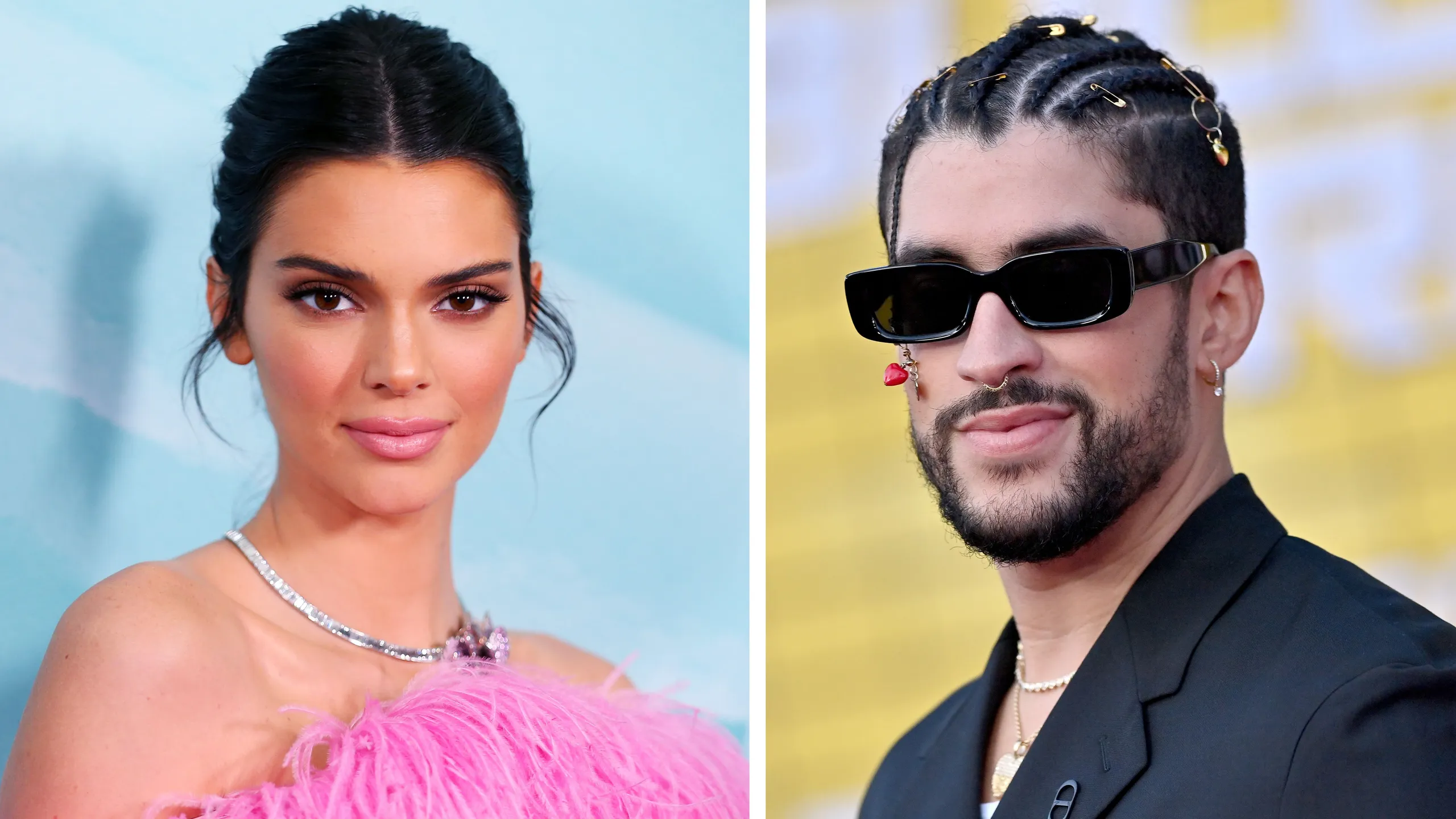
Bad Bunny, the Puerto Rican reggaeton artist, has taken the global music scene by storm, redefining the boundaries of Latin music. His unique blend of traditional reggaeton, trap, and pop has not only garnered an immense following but has also positioned him as a significant cultural icon. As the music industry increasingly embraces Latin rhythms and sounds, understanding Bad Bunny’s influence becomes imperative.
Career Beginnings
Bad Bunny, born Benito Antonio Martinez Ocasio in 1994, began his career in 2017 with the release of his breakout single “Soy Peor.” His collaborations with artists like J Balvin and Ozuna helped to catapult him into the mainstream, earning him accolades and recognition. 2020 marked a pivotal year for the artist, as his album “YHLQMDLG” debuted at number two on the US Billboard 200, a historic achievement for a Spanish-language record.
Cultural Significance
Not only has Bad Bunny achieved commercial success, but he has also changed the way Latin music is perceived globally. He uses his platform to address social issues, including gender and equality. One of his most notable moments was during the 2020 American Music Awards, where he famously spoke out for the Black Lives Matter movement. His unapologetic approach to self-expression has resonated with fans, particularly the younger generation who see him as a role model for authenticity.
Recent Developments
As of 2023, Bad Bunny continues to dominate the charts. His recent album, “Un Verano Sin Ti,” debuted at number one on the Billboard 200, further solidifying his status as a leading artist in the music industry. Additionally, he has ventured beyond music, starring in films and further expanding his influence in the entertainment sector. His headlining of major festivals like Coachella showcases the growing acceptance and celebration of Latin artists in mainstream music.
Conclusion
Bad Bunny’s meteoric rise within the music industry has not only made him a household name but also illustrated the increasing reach and impact of Latin music on a global scale. As he continues to evolve as an artist and advocate, his contributions to both music and culture will likely shape the future of the industry. For listeners and fans, Bad Bunny represents a movement—one that champions diversity, inclusivity, and the celebration of cultural identity in art.