Introduction to Non-Fungible Tokens
Non-fungible tokens (NFTs) have emerged as a groundbreaking concept in the digital landscape, revolutionising the way we understand ownership and authenticity in the online world. As unique digital assets, NFTs have garnered immense attention from artists, collectors, and investors alike, making their mark in various sectors such as art, gaming, and real estate. With the recent surge in popularity, particularly during the pandemic, it is crucial to explore what NFTs are, their significance, and their potential impact on the future.
What are Non-Fungible Tokens?
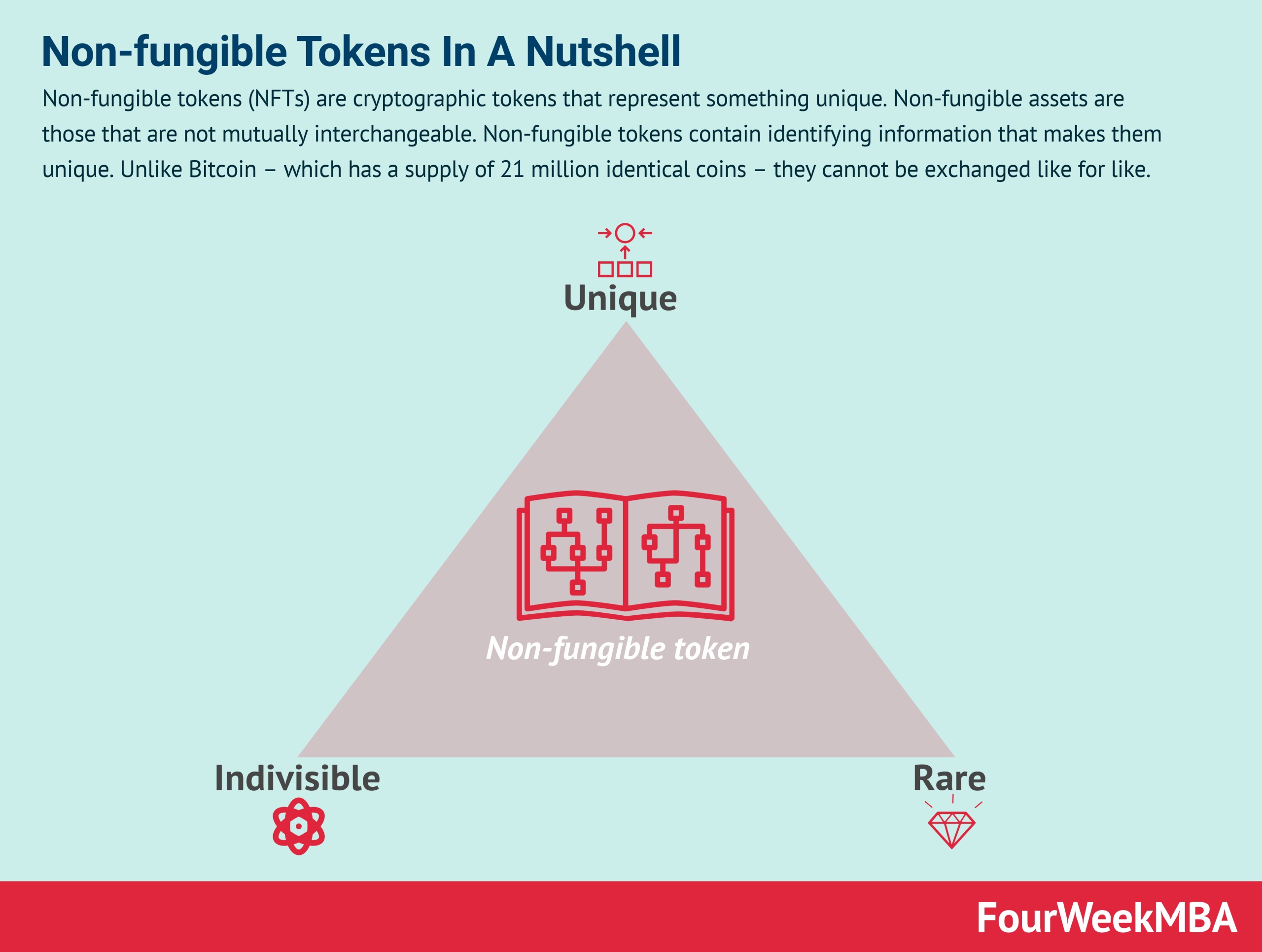
Non-fungible tokens are digital items that represent ownership of a specific asset and are fundamentally different from traditional cryptocurrencies like Bitcoin and Ethereum, which are fungible. This means that each NFT is unique and cannot be replaced or exchanged on a one-to-one basis. They are built using blockchain technology, primarily Ethereum, which ensures the authenticity and provenance of each token.
Recent Trends and Developments
In 2021, the NFT market experienced explosive growth, with sales reaching an estimated $10.7 billion in the third quarter alone, a staggering increase from just $1.3 billion in the previous quarter. High-profile sales, such as Beeple’s digital artwork selling for $69 million at Christie’s, have highlighted the potential value of digital art and collectibles. Major brands and celebrities, including Nike and Grimes, have also jumped into the NFT space, launching their collections to tap into this burgeoning market.
Challenges and Controversies
Despite the enthusiasm surrounding NFTs, the sector faces challenges. Concerns regarding environmental impact due to the energy-intensive nature of blockchain technology, copyright issues related to digital art reproduction, and market volatility pose significant threats. Additionally, the speculative nature of NFTs has raised questions about their long-term value and sustainability.
Conclusion and Future Outlook
As the digital economy continues to evolve, non-fungible tokens are likely to play a pivotal role in shaping the future of ownership and artistic expression. While current challenges must be addressed, the potential for innovation in digital rights and community engagement is tremendous. For readers and investors alike, staying informed about the developments in the NFT space is essential, as this trend is expected to redefine how we interact with digital content and assets in the years to come.