Introduction
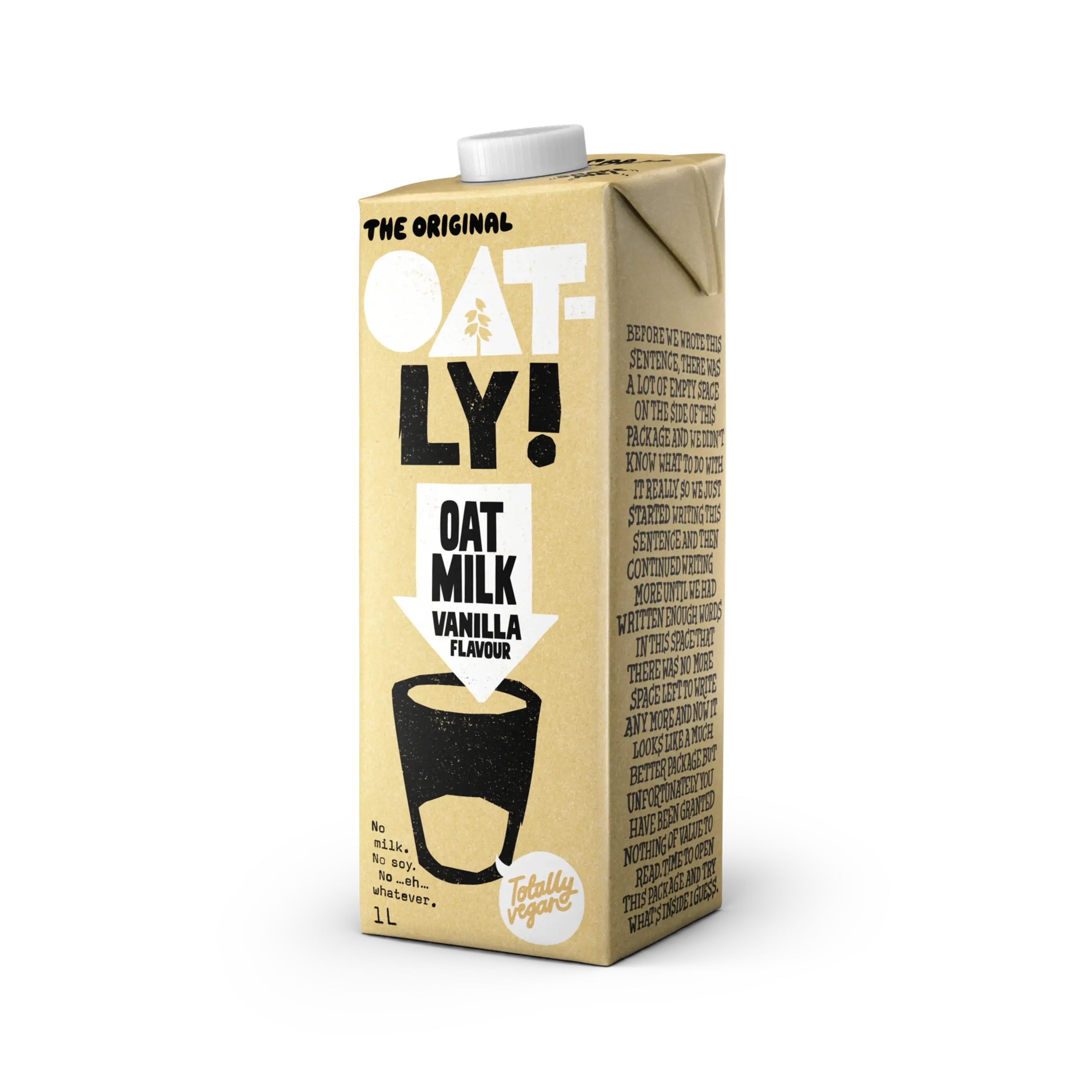
Oatly oat milk has become a significant player in the plant-based milk market, resonating with consumers looking for sustainable alternatives. With the increasing awareness of environmental and health concerns, oat milk, and Oatly in particular, are positioned to capitalize on this trend. This article explores the innovations by Oatly and its impact on both the market and consumers.
The Emergence of Oatly
Founded in Sweden in the 1990s, Oatly has developed a unique formula that uses oats as the primary ingredient, avoiding dairy entirely. The brand gained traction in 2016 when it entered the US market, promoting not just a product but a lifestyle choice that prioritises sustainability. Oatly’s oat milk is marketed as a creamy, delicious, and versatile alternative to dairy milk, appealing to both vegan consumers and those with lactose intolerance.
Market Trends and Consumer Preferences
The demand for plant-based foods is rapidly escalating, with reports indicating that the global oat milk market was valued at approximately $1.5 billion in 2021 and is expected to reach $5 billion by 2027. This surge reflects a growing consumer preference for sustainable, environment-friendly products. Oatly has effectively tapped into this trend, showcasing not just the health benefits of oat milk but also its lower carbon footprint compared to dairy milk production.
Oatly’s Innovations
Oatly has set itself apart with unique branding and innovative production processes. The oats used are sourced from Swedish farmers, making the supply chain both local and sustainable. Moreover, the company has invested heavily in research and development to improve the nutritional profile of their products. The introduction of barista blends has particularly catered to the coffee culture, allowing coffee shops to serve vegan-friendly options without compromising on taste or texture.
Challenges and Future Prospects
Despite its success, Oatly faces challenges, including competition from other plant-based milk brands like soy, almond, and coconut milk. Additionally, concerns regarding the environmental impact of large-scale oat farming have been raised. However, Oatly’s commitment to sustainability and transparency will be crucial in overcoming these hurdles. The company’s ongoing efforts to innovate and expand its product line, including yogurt and ice cream alternatives, signal a promising future.
Conclusion
Oatly oat milk is not just a beverage; it represents a shift in consumer behaviour towards sustainability and health. As the plant-based market continues to grow, Oatly’s innovations and marketing strategies will be vital in maintaining its leading position. Future developments will likely reflect a broader commitment to environmental responsibility and the thriving demand for dairy alternatives, making Oatly oat milk a noteworthy topic for food enthusiasts and environmentally conscious consumers alike.