Introduction
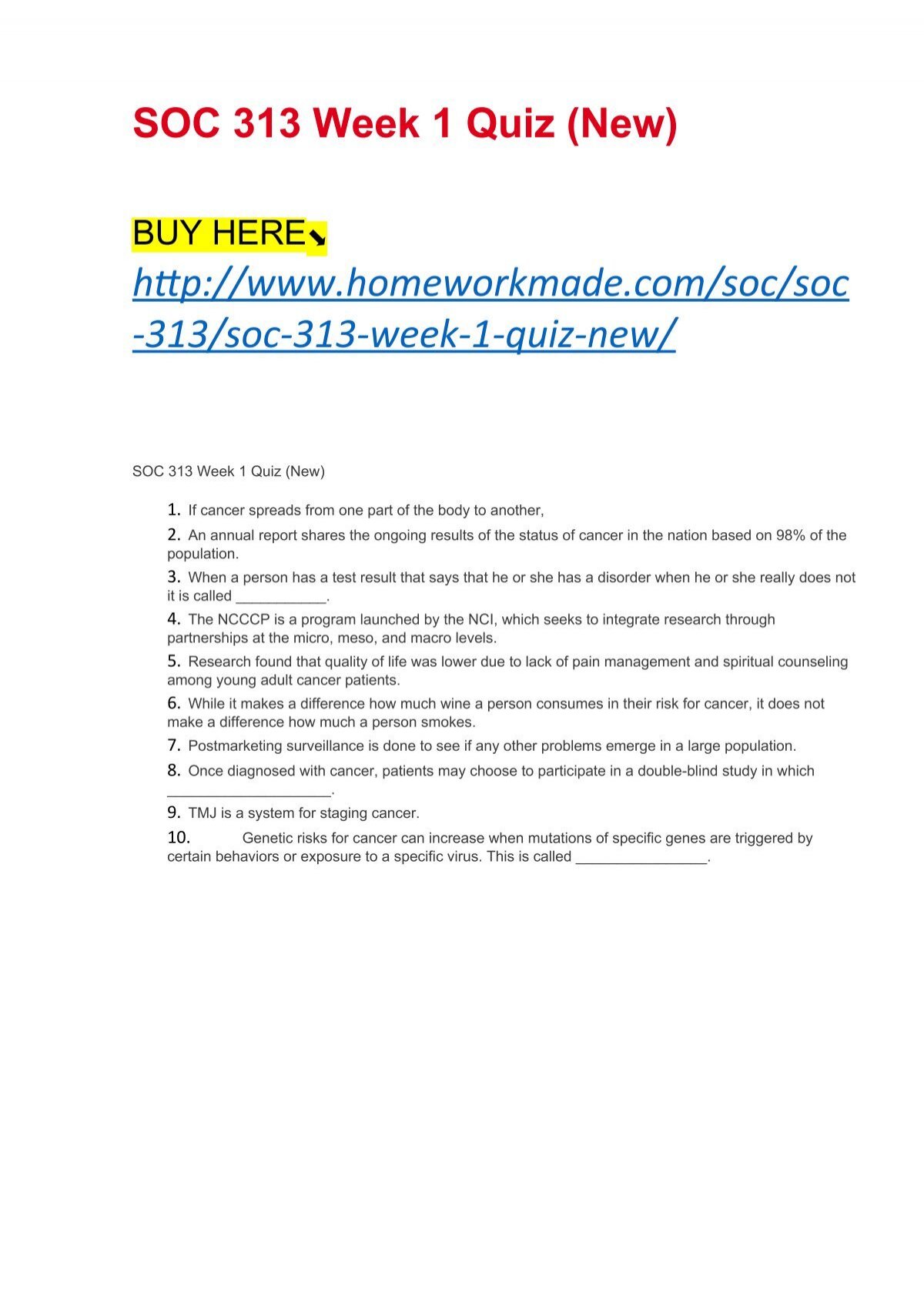
Quizzes have long been a staple of educational and entertainment settings, but recent years have seen an exceptional rise in their popularity, particularly in online formats. This surge can be attributed to advancements in technology, changing educational paradigms, and a growing desire for interactive learning experiences. As more people turn to digital platforms for education and leisure, understanding the impact and relevance of quizzes becomes increasingly important.
Quizzes in Education
In educational institutions, quizzes have transformed from traditional paper formats to vibrant online assessments. According to a survey conducted by the National Education Association in 2023, 75% of teachers reported using online quizzes to enhance student engagement. Platforms such as Kahoot! and Quizlet provide interactive tools that allow students to learn in a fun and competitive environment. Notably, online quizzes enable instant feedback, which has proven to significantly increase retention rates among students.
Quizzes in Entertainment
Beyond academia, quizzes have taken the entertainment world by storm. Platforms like Buzzfeed and Sporcle offer users a multitude of quizzes covering everything from personality traits to pop culture references. In 2023, data showed that over 47% of adults participated in online quizzes for leisure, highlighting a significant cultural trend. Social media also plays a role, with users sharing their quiz results, further driving engagement through friendly competition.
Current Trends
Recent developments indicate that quizzes are becoming more integrated into remote working environments. Companies are using online quizzes for training and team-building purposes. Gamification of learning through quizzes aids in knowledge retention and boosts morale among employees. A 2023 corporate survey indicated that companies implementing quizzes reported a 30% increase in employee participation during training sessions, underlining their effectiveness as a tool for engagement.
Conclusion
The ongoing transformation of quizzes from traditional to digital platforms signifies a broader trend towards interactive, user-centered learning experiences. As technology continues to evolve, we can expect quizzes to become even more integral in educational, training, and entertainment contexts. This shift not only enhances engagement and retention but also caters to diverse learning styles, making knowledge acquisition more accessible and enjoyable for everyone.