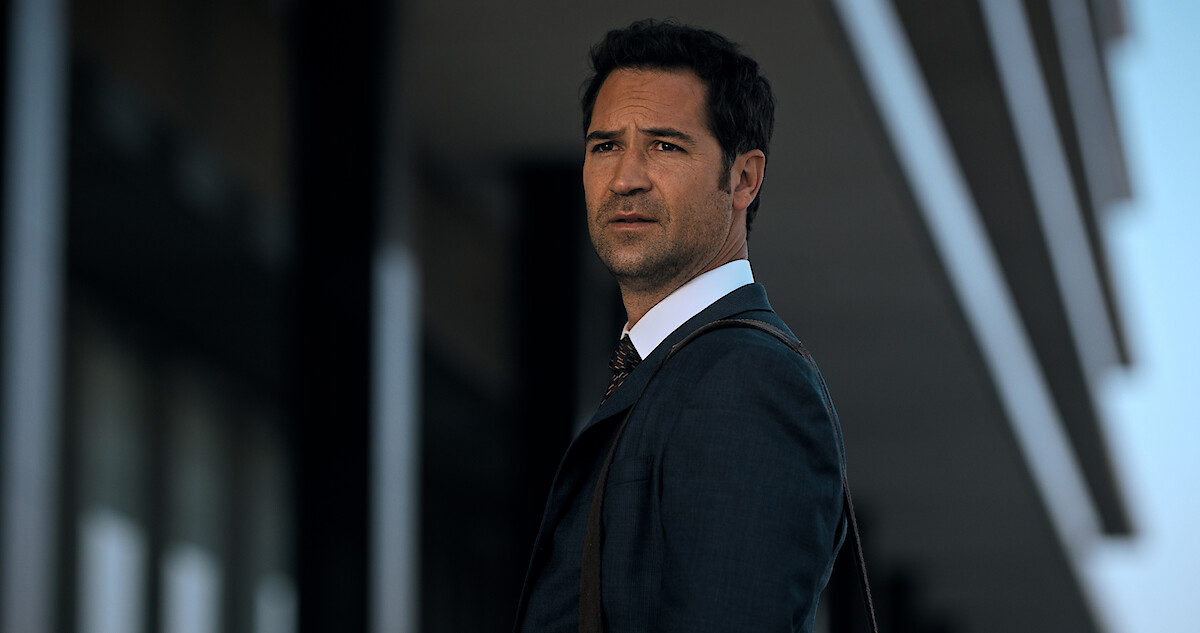
Introduction: The Significance of The Lincoln Lawyer
The Lincoln Lawyer has captivated audiences with its unique blend of legal drama, intriguing plot twists, and complex characters. Based on Michael Connelly’s best-selling novels, the series has redefined how legal stories can be portrayed on screen, reflecting both legal intricacies and societal issues. As the show’s popularity continues to soar, understanding its relevance becomes crucial in today’s entertainment landscape.
The Plot and Characters
The Lincoln Lawyer centres around Mickey Haller, a criminal defence attorney in Los Angeles who conducts business from the back of his Lincoln Town Car. The series, originally adapted for a film in 2011, has been revived as a highly successful Netflix show, garnering a dedicated fanbase. Haller, portrayed by Manuel Garcia-Rulfo, navigates the challenges of defending clients while upholding his moral compass. The diversity of characters, from clients to adversaries, enriches the narrative, providing viewers with a multifaceted view of the legal system.
Current Events and Cultural Impact
Recently, The Lincoln Lawyer has made headlines not just for its gripping storylines but also for addressing pressing societal themes such as justice, privilege, and the legal profession’s ethical dilemmas. The show’s portrayal of the judicial system, and its sometimes flawed nature, invites crucial discussions around real-life legal cases and reform. Viewers are increasingly drawn to stories that reflect their social realities, and The Lincoln Lawyer successfully taps into this need for relatable and thought-provoking content.
Conclusion: Looking Ahead
As The Lincoln Lawyer continues to air, analysts predict it will maintain its strong influence on legal dramas and reshaping audience expectations about courtroom storytelling. The balance of entertainment and education found in this series presents opportunities for viewers to engage with legal issues more deeply. Ultimately, The Lincoln Lawyer stands as a reminder of the power of storytelling, particularly in the legal genre, and its capacity to challenge perceptions while captivating audiences.