Introduction
The Winter Olympics, held every four years, showcases some of the world’s most thrilling winter sports, from skiing to ice hockey. The medals awarded during these games are not only symbols of athletic excellence but also represent national pride and historical significance. As global attention increasingly turns to the Winter Olympics, understanding the importance of these medals provides valuable insights into the event’s cultural and competitive landscape.
The Significance of Medals
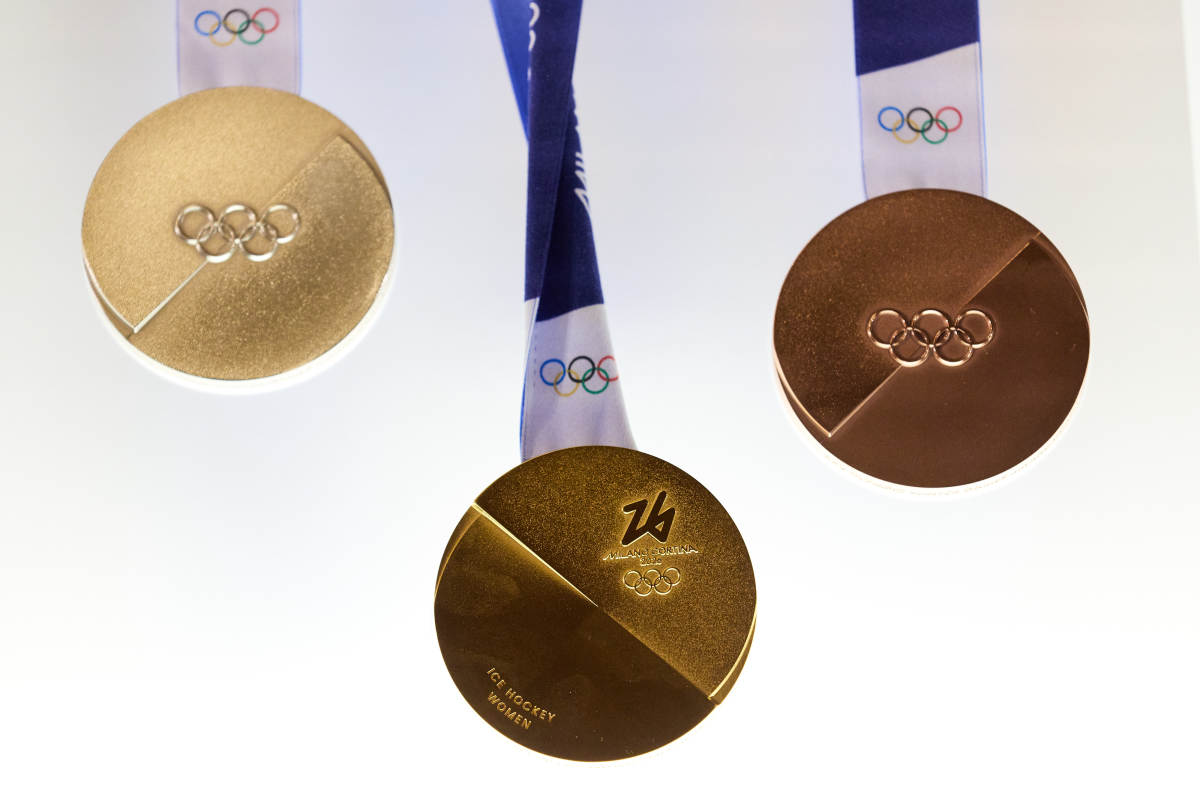
Medals at the Winter Olympics are awarded to athletes who demonstrate extraordinary skill, resilience, and sportsmanship. The gold, silver, and bronze medals signify first, second, and third place, respectively, reflecting not only the athletes’ performance but also their hard work leading up to the event. Athletes often cherish these medals as lifelong tokens of their achievements.
Recent Medals and Highlights
During the most recent Winter Olympics, held in Beijing in 2022, notable moments included Norway topping the medal tally with a record 16 golds. The games saw remarkable performances from athletes like Eileen Gu, who captured the hearts of many by winning two gold medals and a silver in freestyle skiing, illustrating the competitive spirit that makes the Winter Olympics so captivating.
Impact on National Pride
Winter Olympics medals also serve as a source of national pride. Countries invest heavily in their Olympic teams, and the success of their athletes can inspire generations. For instance, Canada’s strong performance in ice hockey and figure skating fosters national unity and pride, showcasing how sports can transcend individual achievements to represent a collective identity.
The Road Ahead
As we look to future Winter Olympics, discussions surrounding medals will continue, particularly regarding how the games foster camaraderie across nations. The evolution of sports and the emergence of new disciplines will also play a role in the medal landscape. With new athletes entering the fray, each edition of the Winter Olympics promises to present fresh stories of triumph and rivalry.
Conclusion
In conclusion, Winter Olympics medals are more than just pieces of metal; they embody the dedication, sacrifices, and dreams of athletes from around the world. As the events unfold every four years, we can expect these medals to not only showcase sporting prowess but also to continue influencing national pride and international relations.