Introduction
The Federal Reserve, commonly referred to as the Fed, plays a pivotal role in the US economy by regulating monetary policy, supervising banking institutions, and maintaining financial stability. Understanding the Fed’s operations is essential, especially in today’s dynamic economic landscape, where inflation and interest rates greatly impact everyday life.
Recent Developments
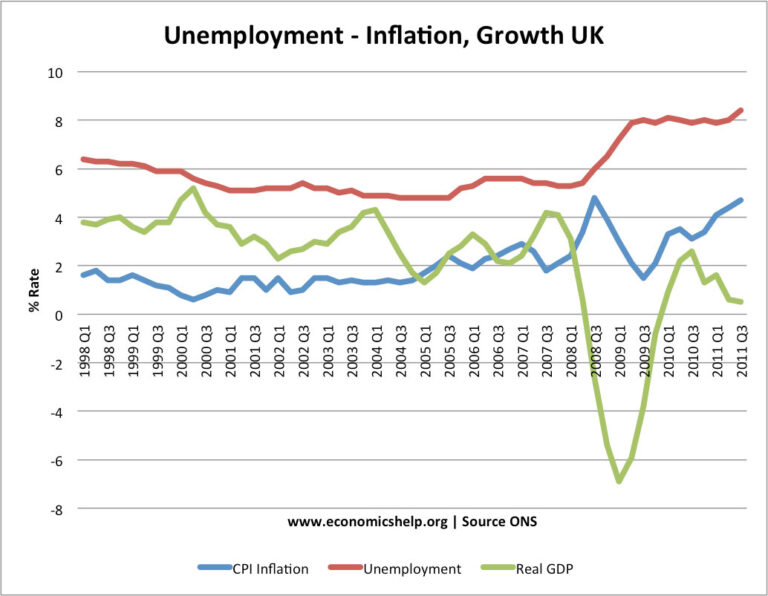
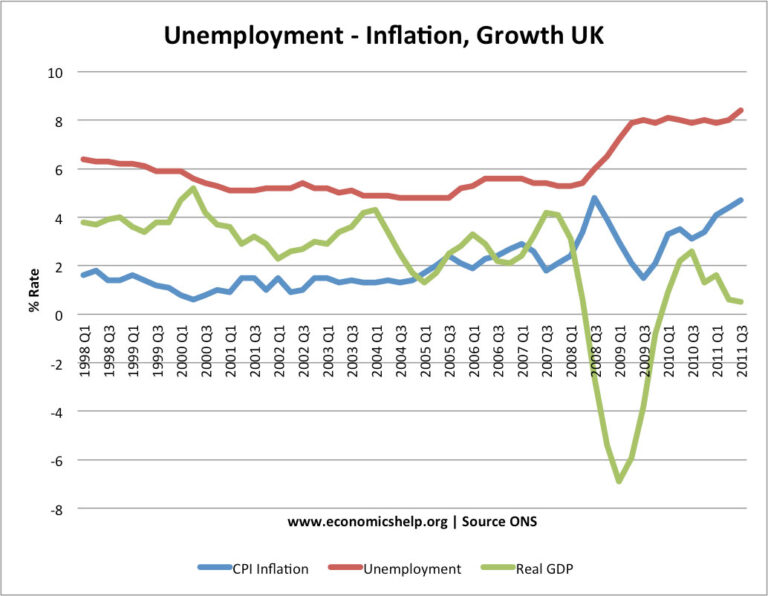
As of October 2023, the Fed has been navigating a complex environment characterized by high inflation and fluctuating employment rates. In its latest meeting, the Federal Open Market Committee (FOMC) decided to maintain interest rates at 5.25%-5.50% while closely monitoring economic indicators. This decision was primarily influenced by consumer inflation rates, which have shown signs of slowing, aligning with the Fed’s long-term goals.
Furthermore, the Fed’s commitment to reducing inflation stems from a comprehensive analysis of economic conditions. According to the Bureau of Labor Statistics, the Consumer Price Index (CPI) has risen moderately, indicating a need for controlled growth. As the Fed continues to monitor these trends, economists are predicting that adjustments to interest rates may be on the horizon, contingent upon future inflation data and economic stability.
The Importance of the Fed’s Role
The Fed’s decisions permeate various sectors of the economy. When interest rates are elevated, borrowing costs rise, which can slow down consumer spending and business investments. Conversely, lowering interest rates can stimulate economic activity but may exacerbate inflation if done excessively. In the aftermath of the pandemic, the Fed has faced unprecedented challenges, balancing the need for growth while ensuring inflation remains at a manageable level.
Conclusion
In summary, the Federal Reserve’s policies have far-reaching implications for the economy. As the Fed navigates through potential changes in interest rates in the coming months, its actions will undoubtedly impact consumers, businesses, and overall economic health. Stakeholders, from small business owners to policymakers, should keep a close watch on the Fed’s developments as they adapt to an ever-evolving economic environment. The Fed’s decisions not only shape immediate financial markets but also set the tone for long-term growth and stability in the United States.