Introduction to Statins
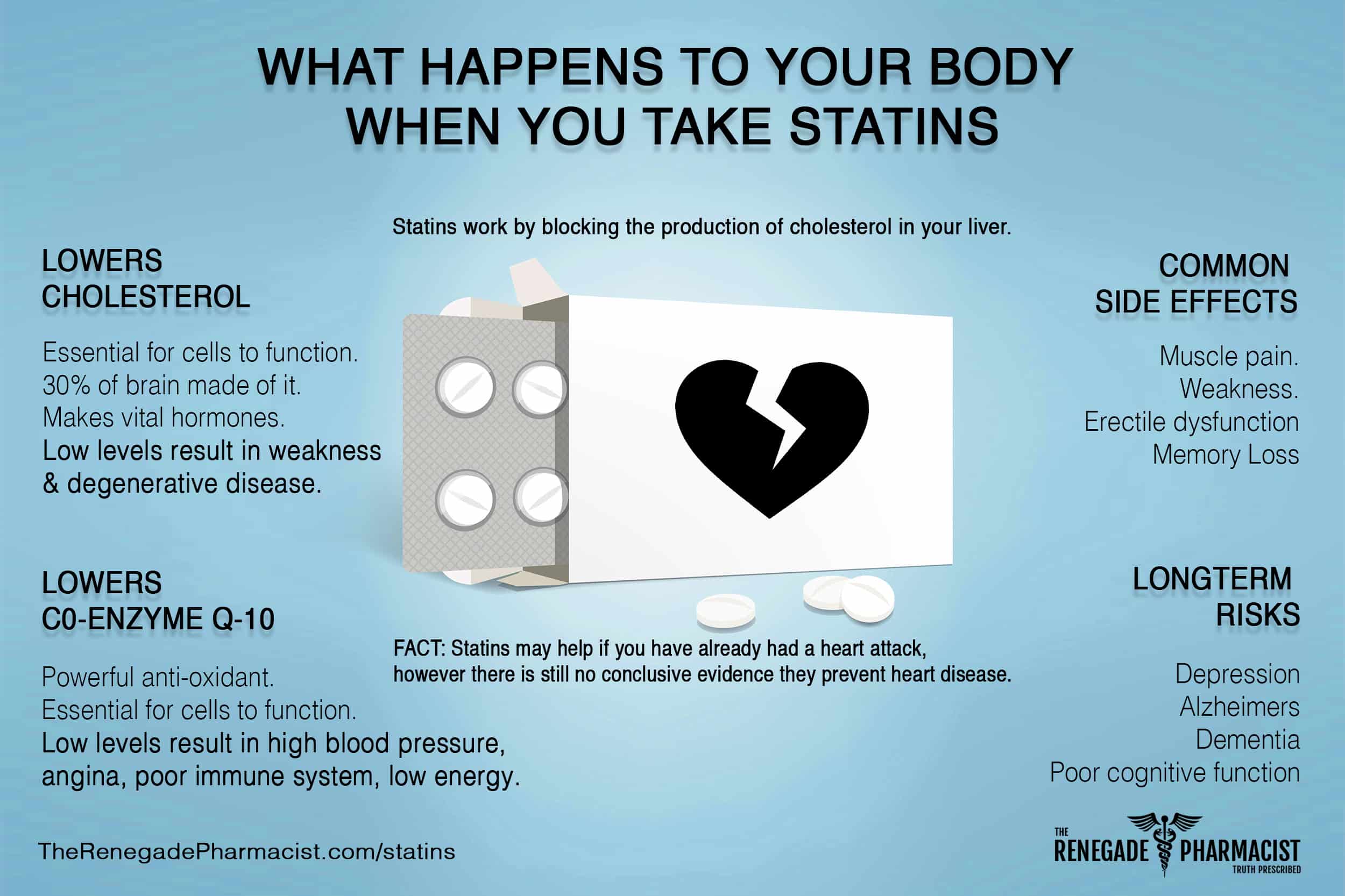
Statins are widely prescribed medications used to lower cholesterol levels in the blood, significantly reducing the risk of heart disease and stroke. The importance of this class of drugs cannot be overstated, as cardiovascular diseases remain a leading cause of death globally. However, as with all medications, statins come with their own set of potential side effects that patients and healthcare providers must consider.
Common Side Effects of Statins
While statins are generally well-tolerated, some patients report experiencing common side effects. These include:
- Muscle pain and weakness: Myopathy, a condition characterized by muscle pain, swelling, or tenderness, is commonly reported. In rare cases, it can escalate to rhabdomyolysis, a serious condition that results in muscle breakdown.
- Gastrointestinal issues: Some patients experience digestive problems such as nausea, diarrhea, or constipation after starting statin therapy.
- Fatigue: A general feeling of tiredness or lethargy can occur, making daily activities more challenging.
Rare Side Effects and Risks
More severe side effects, although rare, can occur in some individuals:
- Liver damage: Increased levels of liver enzymes can be a sign of liver damage, prompting regular monitoring of liver function in patients on statins.
- Memory loss and cognitive issues: Some studies have indicated potential links between statin use and memory problems, though more research is needed to establish a clear connection.
- Allergic reactions: Although uncommon, some patients may experience skin rashes, itching, or swelling as a result of an allergic reaction to the medication.
Monitoring and Management
Given the potential side effects, it is crucial for patients taking statins to maintain regular consultations with their healthcare providers. Monitoring blood cholesterol levels, liver enzyme tests, and reporting any side effects can help manage risks effectively. Adjustments to dosage or switching to different statin medications may be necessary based on individual responses.
Conclusion
In conclusion, while statins play a vital role in managing cholesterol and reducing cardiovascular risk, awareness of their potential side effects is essential for patients and healthcare providers alike. As we continue to understand the complexities of statin therapy, ongoing communication between patients and clinicians will ensure optimal treatment outcomes. Looking forward, research into mitigating the side effects of statins and developing new lipid-lowering therapies will be crucial for improving patient adherence and overall cardiovascular health.