Introduction
Statins, a class of drugs widely prescribed to lower cholesterol levels, play a crucial role in the prevention of cardiovascular diseases. As they help to reduce the risk of heart attacks and strokes, understanding their potential side effects becomes increasingly important for patients and healthcare providers alike. The relevance of this topic is underscored by the fact that millions of people around the world rely on statins for managing their cholesterol, thus necessitating informed decision-making regarding their use.
Main Body
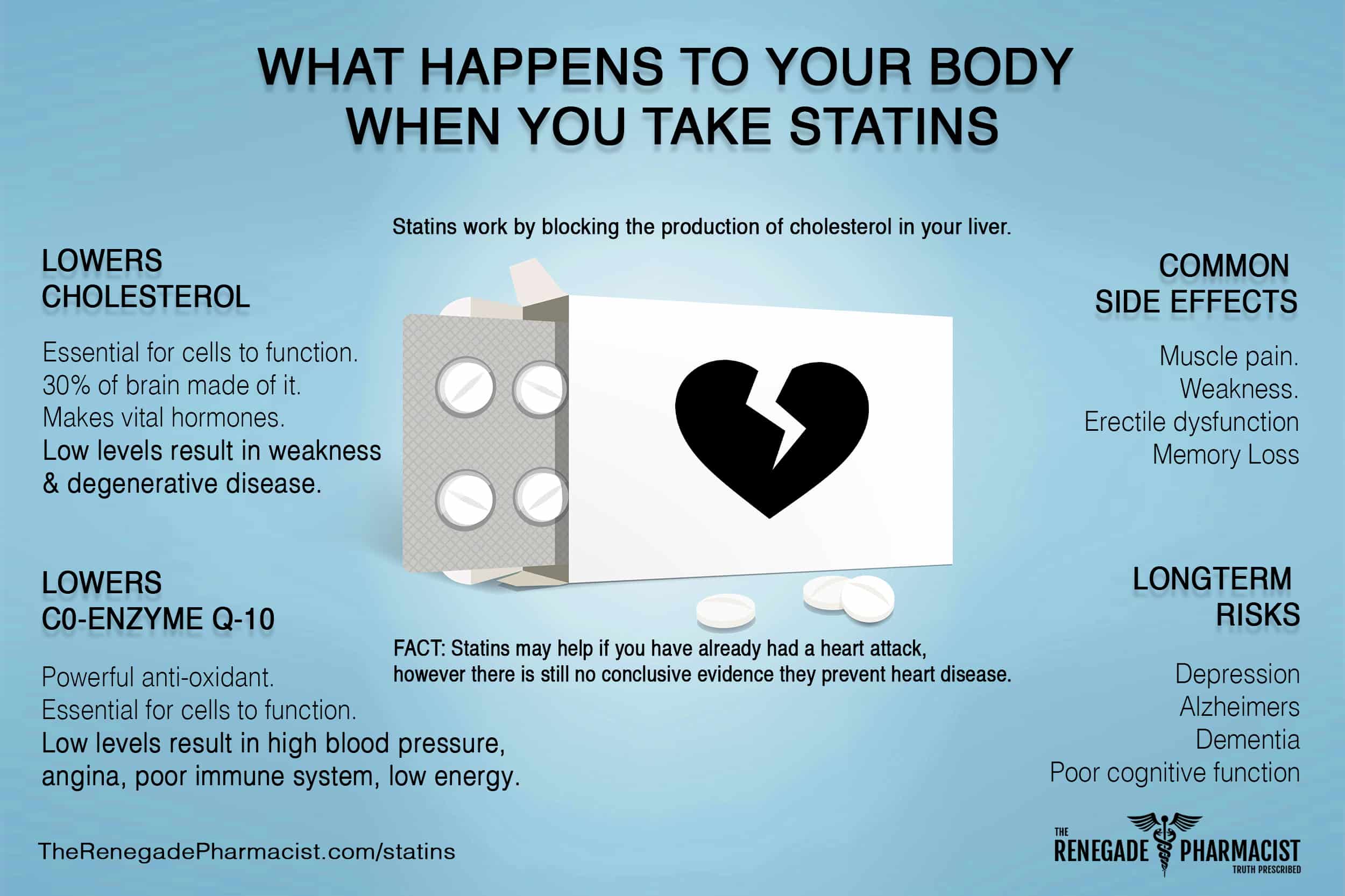
Numerous studies have highlighted the benefits of statins; however, they are not without their drawbacks. Common side effects associated with statin use include muscle pain, fatigue, and digestive problems. According to the American College of Cardiology, approximately 10-20% of patients on statins report experiencing muscle-related complaints, which can range from mild soreness to severe pain or even rhabdomyolysis, a rare but serious condition involving muscle breakdown.
Furthermore, some patients may experience gastrointestinal issues such as nausea, constipation, or diarrhoea. This can lead to non-adherence to treatment, ultimately affecting overall health management. Other potential side effects include increased risk of type 2 diabetes—evidence suggests that statin use may slightly elevate blood sugar levels, prompting discussions about the balance between the benefits of heart disease prevention and potential diabetic risk.
Beyond these physical side effects, patients sometimes report psychological effects, including memory loss and mood changes, although research remains inconclusive on the direct correlation between statin use and cognitive impairments. In a study published by the Journal of the American Medical Association, cognitive side effects were deemed rare and not conclusively linked to statin intake.
Conclusion
Understanding the side effects of statins is essential for patients considering or currently on this medication. While the majority of users tolerate statins well, awareness of possible side effects can empower patients to communicate effectively with their healthcare providers, thus optimizing their treatment plans. It is essential for both patients and doctors to weigh the medication’s cardiovascular benefits against its potential side effects, especially in those with pre-existing health conditions. As ongoing research continues to evaluate the safety and efficacy of statins, staying informed will remain vital for individuals managing their cholesterol and overall heart health.