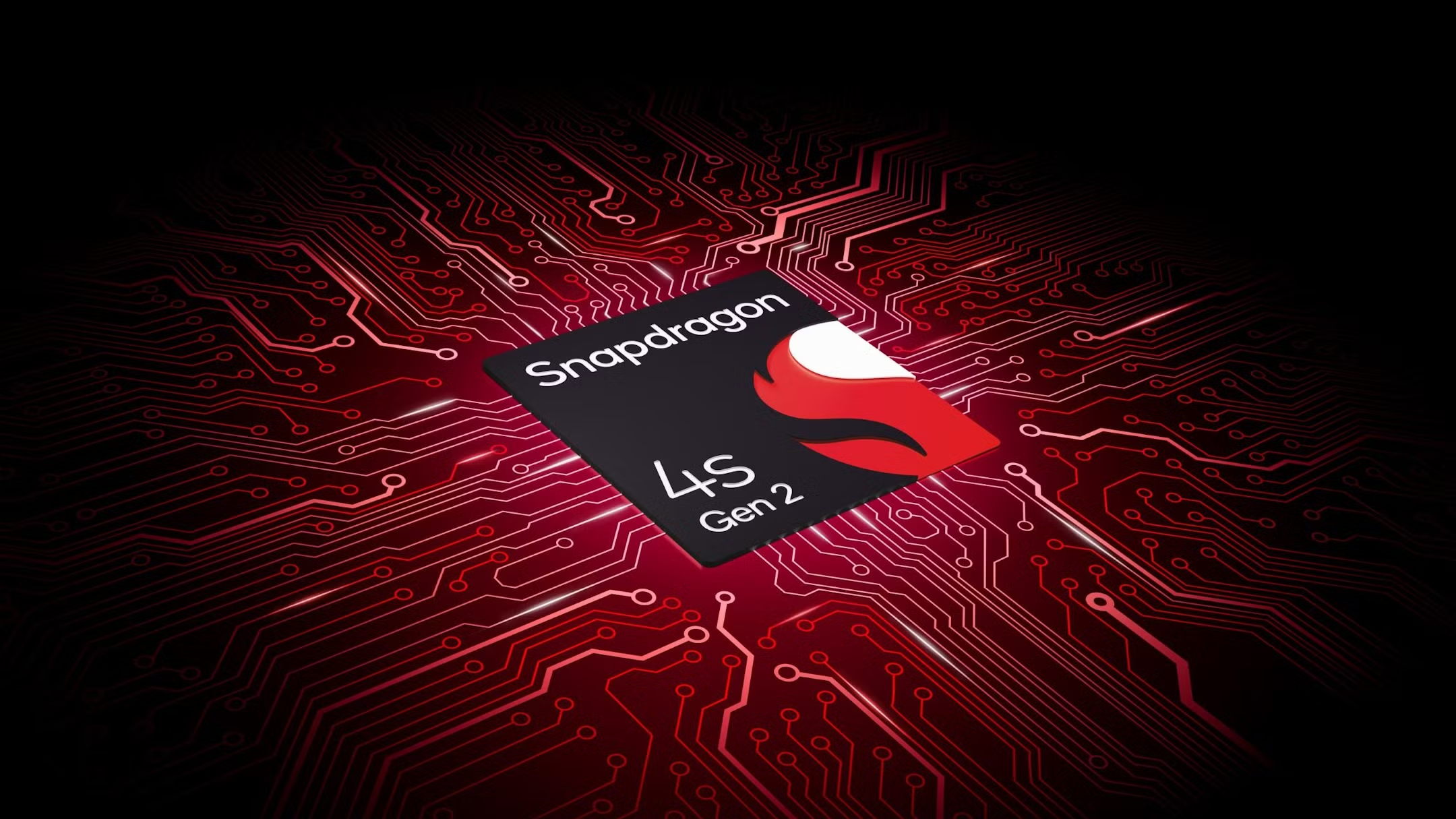
Introduction to Snapdragon Processors
Snapdragon processors, developed by Qualcomm Technologies, have become integral to modern mobile devices, providing substantial processing power and advanced features. As mobile technology continues to evolve, the relevance of Snapdragon in enhancing user experience and performance cannot be overstated.
Recent Developments in Snapdragon Technology
In recent months, Qualcomm has unveiled several advancements in its Snapdragon series. The latest Snapdragon 8 Gen 2 processor, announced in late 2022, features improvements in artificial intelligence capabilities, gaming performance, and camera processing. According to Qualcomm, this new chipset utilises a unique architecture, allowing for enhanced power efficiency, particularly important as battery life remains a top priority for consumers.
Performance and Features
Snapdragon chips are not only about raw performance; they incorporate several features that allow for a seamless user experience. The processors optimise graphics rendering and support higher refresh rates, ensuring smooth gameplay and video playback. Additionally, the advanced AI capabilities enhance smartphone functionalities, such as optimising photography through improved image processing algorithms. With these features, devices powered by Snapdragon enable users to take stunning photos, enjoy immersive gaming experiences, and run demanding applications effortlessly.
Impact on the Market
The rise of Snapdragon has significant implications for the mobile market, pushing other manufacturers to innovate and improve their offerings. Snapdragon chips are widely used in a variety of devices, from high-end smartphones to mid-range and budget-friendly options. As a result, Qualcomm’s dominance in the mobile chipset market is proving to be both a challenge and an opportunity for various manufacturers striving to compete at different price points.
Future of Snapdragon
Looking ahead, Qualcomm is focused on expanding the capabilities of Snapdragon processors. With the growing interest in augmented reality (AR) and virtual reality (VR), the company is exploring how Snapdragon technology can be harnessed to support these emerging platforms. Industry experts predict that as technology continues to advance, Snapdragon will play a pivotal role in the expansion of the Internet of Things (IoT), smart cities, and enhanced connectivity.
Conclusion
The impact of Snapdragon on mobile technology is profound, influencing both user experience and industry standards. As Qualcomm continues to innovate, the future looks bright for Snapdragon-powered devices, promising even more remarkable developments in mobile performance and connectivity. With its ongoing advancements in artificial intelligence and graphics capabilities, Snapdragon will remain at the forefront of the tech industry, shaping how consumers interact with their devices.