Introduction to the Annular Solar Eclipse
The annular solar eclipse occurring on 14 October 2023 is a rare astronomical event that has captivated skywatchers and scientists alike. Unlike a total solar eclipse, where the moon completely covers the sun, an annular eclipse results in a “ring of fire” effect as the moon obscures the sun’s centre while leaving its outer edges visible. This dichotomy is critical for understanding solar phenomena and illustrates the uniqueness of celestial alignments. As millions prepare to witness this spectacle, its significance extends beyond mere beauty, impacting scientific observations and public interest in astronomy.
Details of the Event
The annular solar eclipse of 2023 traverses a path that begins in the Pacific Ocean and moves through parts of the United States, Central America, and South America. Cities like Albuquerque, Denver, and San Antonio are positioned to experience the annularity, where observers will have the opportunity to see the stunning ring-shaped solar disk.
This phenomenon occurs due to the elliptical shape of the moon’s orbit around the Earth, which means that occasionally the moon will be too far away to completely cover the sun. As a result, during the peak of the eclipse, observers within the path of annularity will see a bright ring representing the sun’s photosphere, while those outside the path will experience a partial eclipse.
Safety and Viewing Tips
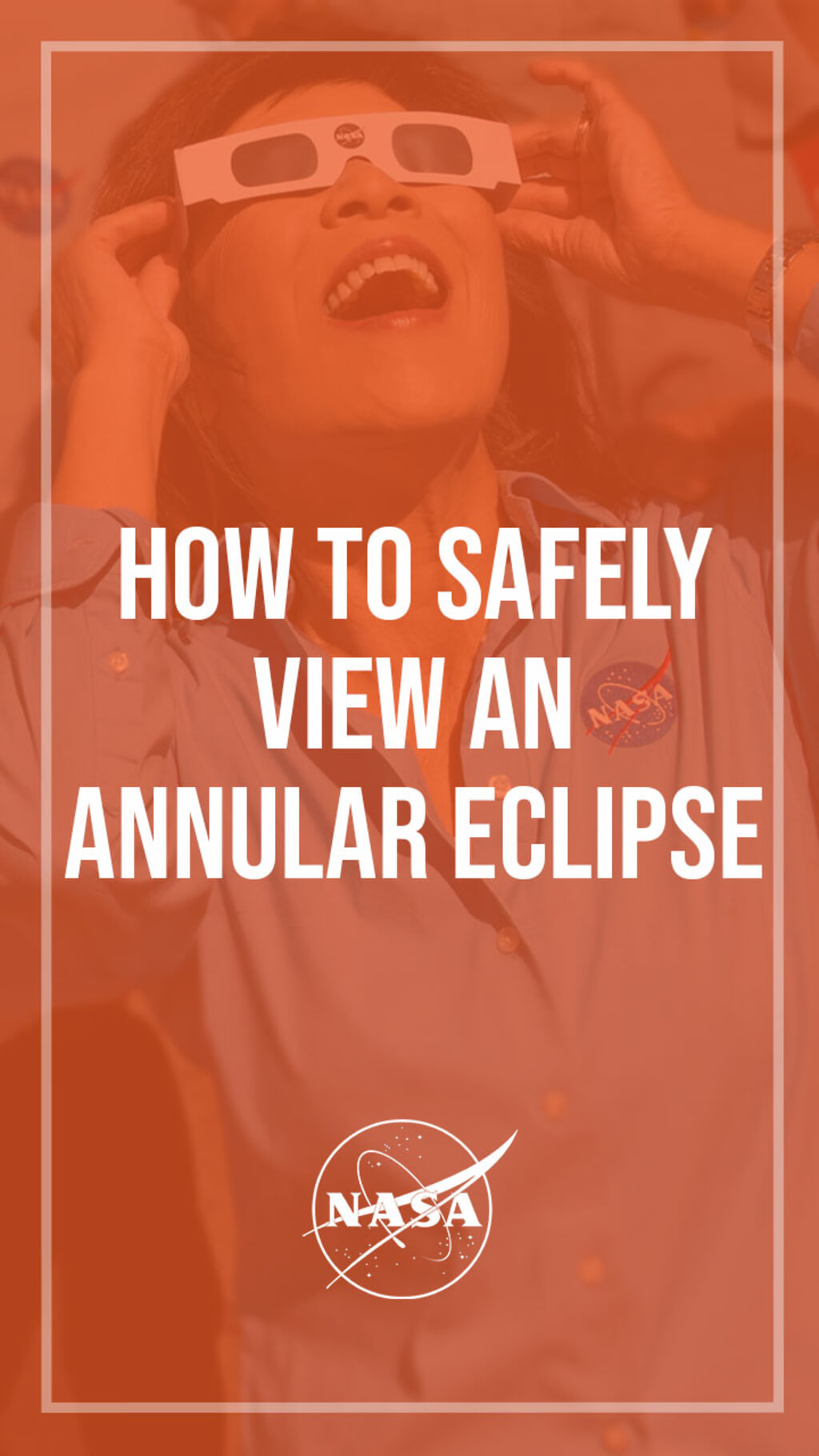
As with any solar observation, safety is paramount. It is vital to use eclipse glasses that meet the ISO 12312-2 international safety standard to protect the eyes from harmful solar rays. Regular sunglasses, no matter how dark, are not safe for viewing the eclipse. Educators and community groups are planning viewing events, providing both safety equipment and educational resources to enhance public understanding of the eclipse’s significance.
Conclusion: Significance and Looking Ahead
As excitement builds for the annular solar eclipse of 2023, it serves as a reminder of our place in the solar system and the wonders of celestial mechanics. Beyond the aesthetic appeal, this event encourages curiosity and promotes scientific inquiry into astronomy and related fields. With another annular solar eclipse expected to occur in 2027, interest in such astronomical events may bolster educational efforts and inspire future generations of astronomers. Whether viewing from home or at a public event, the 2023 annular solar eclipse promises to be a memorable occasion for all.