Before the Strike
Prior to the recent missile strike, the expectations surrounding military engagement in Iran were largely influenced by geopolitical tensions and the ongoing conflict in the region. The Tomahawk missile, a precision-guided weapon manufactured by Raytheon, was known to be utilized by the U.S. military and allied nations such as Japan and Australia. However, there was no public evidence suggesting that Iran possessed such advanced weaponry.
The Decisive Moment
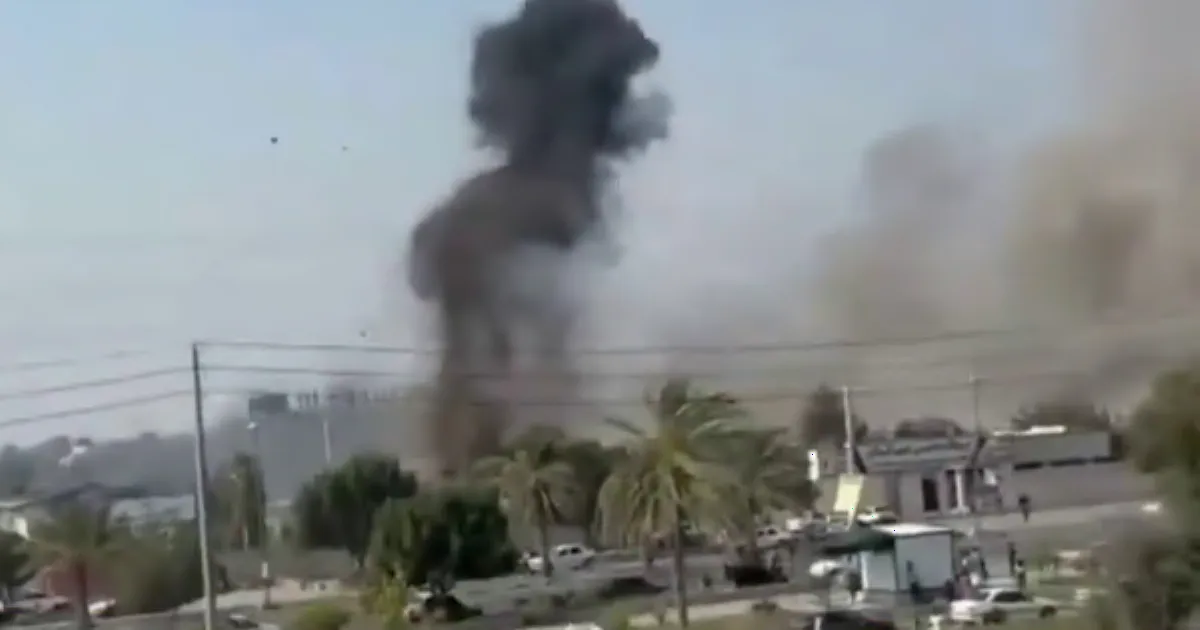
On February 28, 2026, a U.S. Tomahawk missile struck the Shajarah Tayyebeh school in Minab, Iran, resulting in the tragic deaths of more than 170 individuals, with reports indicating at least 165 fatalities. This incident marked a significant escalation in military operations, as the missile hit near a Revolutionary Guard base, raising immediate concerns about the implications of such an attack on civilian infrastructure.
Immediate Effects
The aftermath of the strike has been devastating for the local community, with over 170 lives lost and many more affected by the destruction. The U.S. Central Command acknowledged the use of Tomahawk missiles during the ongoing conflict, which has drawn widespread condemnation from various international observers. Legal experts have warned that this strike could constitute a violation of international law, particularly given the civilian casualties involved.
Expert Perspectives
Experts have weighed in on the implications of the strike. Janina Dill, a legal scholar, emphasized that attackers are under an obligation to verify the status of targeted objects to avoid civilian harm. This perspective highlights the ethical considerations that must be taken into account in military operations. Meanwhile, Donald Trump commented on the situation, stating, “Whether it’s Iran or somebody else … a Tomahawk is very generic,” indicating a broader context of military engagement.
Verification and Accountability
Independent verification of the attack remains limited due to the ongoing conflict, complicating the assessment of the strike’s legality and its adherence to international norms. The footage of the missile strike was first examined by the investigative group Bellingcat, which has been instrumental in verifying military actions in conflict zones. The Pentagon has also initiated an internal assessment of the airstrike, reflecting the seriousness of the incident.
Broader Implications
The strike has raised significant concerns about the U.S. military’s engagement in the region and its potential repercussions on international relations. As military operations continue, the question of accountability for civilian casualties looms large. Pete Hegseth, a commentator on military affairs, remarked, “America, regardless of what so‑called international institutions say, is unleashing the most lethal and precise air power campaign in history,” underscoring the complexities of modern warfare.
As the situation unfolds, the implications of the Tomahawk missile strike in Iran will likely resonate far beyond the immediate tragedy. With no public evidence suggesting that Iran has obtained or operates Tomahawk missiles, the strike raises critical questions about military ethics and the responsibilities of nations engaged in conflict. Details remain unconfirmed regarding the full extent of the strike’s impact and the future of U.S.-Iran relations.