What the data shows
The recent recall of Trader Joe’s frozen food products raises a critical question: How does a company manage the risks associated with food safety? The answer, in this case, is a proactive approach to consumer safety. Trader Joe’s has announced a recall of nearly 10 million pounds of frozen food products due to potential glass contamination, a decision that underscores the importance of vigilance in the food industry.
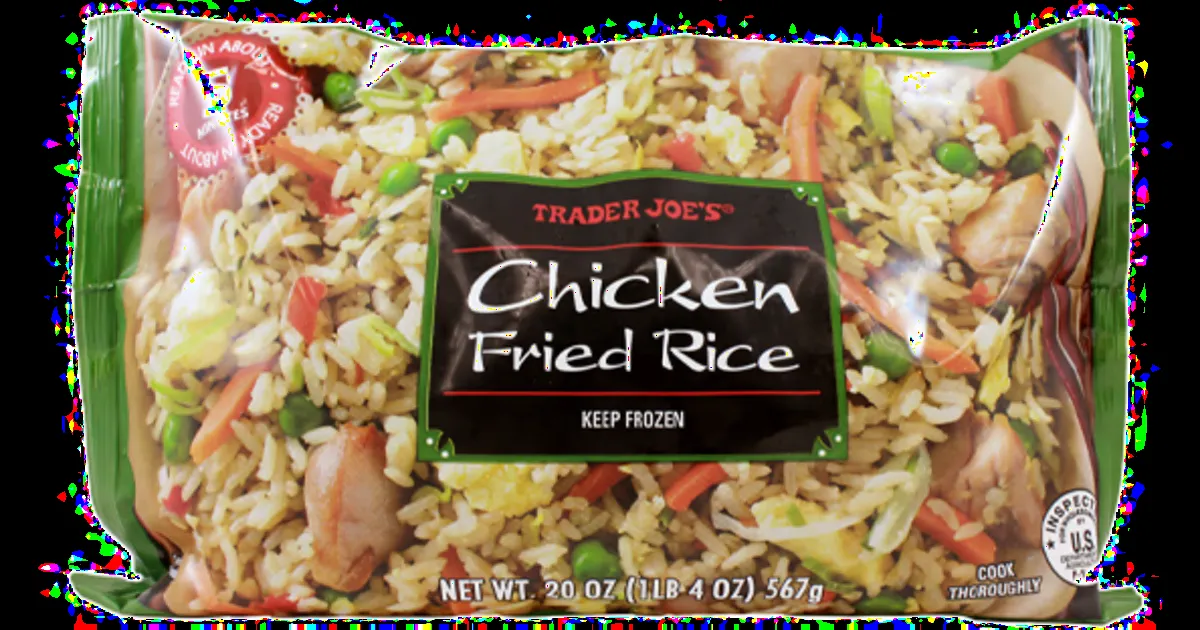
The recall, which includes popular items such as Trader Joe’s Vegetable Fried Rice, Chicken Fried Rice, Japanese Style Fried Rice, and Chicken Shu Mai, was initiated on February 19, 2026. It has since expanded on March 3 and March 20, 2026, affecting products distributed across 43 states in the U.S. The glass contamination reportedly originated from carrots used in these products, raising concerns about the safety of the food supply.
According to the U.S. Department of Agriculture and the Food Safety and Inspection Service, the recall is classified as a Class II recall by the FDA, indicating a remote chance of serious health consequences. However, the potential risks associated with glass contamination, which can range from 1 to 3 cm in length and 2 to 4 mm in width, are significant enough to warrant immediate action. Trader Joe’s has advised consumers to either throw away or return the recalled products for a refund.
Trader Joe’s has been transparent about its commitment to consumer safety. A spokesperson stated, “We err on the side of caution and are proactive in addressing issues.” This sentiment reflects the company’s philosophy of quickly addressing potential problems and removing products from sale if there is any doubt about their safety or quality. Such proactive measures are crucial in maintaining consumer trust, especially in light of the growing scrutiny on food safety practices.
The recall follows an earlier incident involving Ajinomoto Foods North America Inc., which first recalled over three million pounds of frozen chicken fried rice products in February 2026. This series of recalls highlights the ongoing challenges faced by food manufacturers in ensuring the safety and quality of their products. The food industry has been under increasing pressure to enhance safety protocols and respond swiftly to potential hazards.
As the situation develops, consumers are left wondering what further measures will be taken to prevent similar incidents in the future. Details remain unconfirmed regarding the full scope of the contamination and whether additional products may be affected. The FDA and other regulatory bodies are likely to conduct thorough investigations to determine the root cause of the contamination and to ensure that appropriate safety measures are implemented.
In conclusion, the Trader Joe’s recall serves as a reminder of the complexities involved in food safety and the importance of consumer awareness. As the company navigates this challenging situation, it will be essential for them to maintain transparency and continue to prioritize the health and safety of their customers.