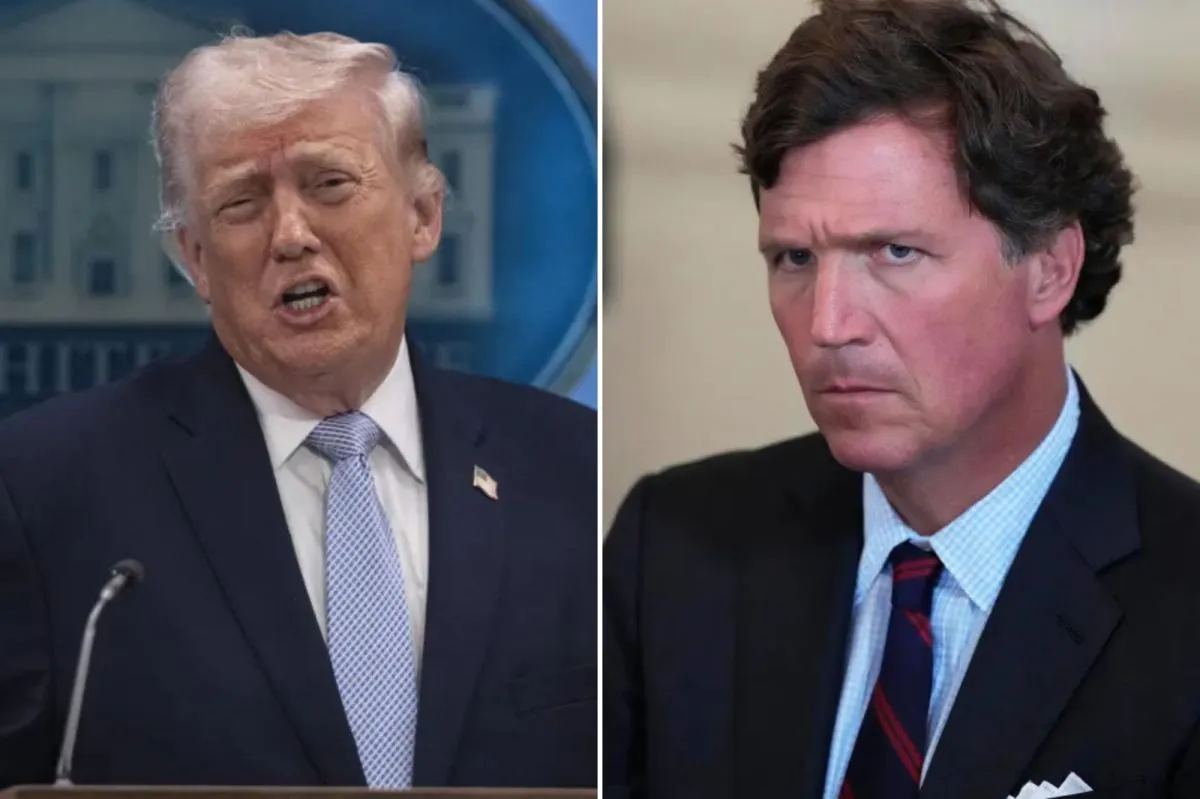
Who is involved
In a striking turn of events, Tucker Carlson, once a staunch ally of Donald Trump, has openly criticized the former president, marking a significant shift in their relationship. Historically, Carlson has been a vocal supporter of Trump, even suggesting divine intervention in Trump’s survival of an assassination attempt. However, the dynamics have changed dramatically as Carlson has begun to voice strong opposition to Trump’s recent military threats against Iran.
The decisive moment came on April 7, 2026, when Trump, in a phone call with The Post, referred to Carlson as a “low-IQ person”. This insult was not just a personal attack; it underscored a growing rift between the two influential figures. Carlson’s response was equally pointed, as he urged U.S. officials to directly oppose Trump’s aggressive military plans, stating, “Now it’s time to say no, absolutely not, and say it directly to the president, no.” This marked a clear departure from Carlson’s previous supportive stance.
The immediate effects of this conflict have been significant. Trump escalated his rhetoric, warning Iran that “a whole civilization will die tonight” if they did not comply with his demands regarding the Strait of Hormuz. In response, Carlson condemned Trump’s threats against Iran’s civilian infrastructure as a “war crime,” further deepening the divide. This public clash not only highlights the fracturing relationship between Carlson and Trump but also raises questions about the future of their respective influences within the Republican Party.
Experts suggest that this shift could have broader implications for both figures. Carlson’s criticisms could resonate with a segment of the Republican base that is increasingly wary of military interventions and aggressive foreign policies. By labeling Trump’s threats as extreme, Carlson may be positioning himself as a voice of reason in a party that has often been characterized by its hawkish tendencies. This could potentially reshape the narrative around U.S. foreign policy, especially regarding Iran.
Furthermore, Carlson’s suggestion that Trump might be the antichrist during his podcast adds a layer of complexity to their fallout. This hyperbolic statement reflects not only Carlson’s discontent but also a growing disillusionment among some of Trump’s former supporters. The implications of such rhetoric could alienate certain voter demographics, particularly those who prioritize a more restrained approach to foreign affairs.
As the situation unfolds, the reactions from both Trump’s camp and Carlson’s supporters will be crucial. Trump’s threats and Carlson’s rebukes could lead to a significant realignment within the Republican Party, as factions emerge around differing views on foreign policy and Trump’s leadership style. The historical context of their relationship adds weight to this conflict, as both figures have previously benefited from their alliance.
Details remain unconfirmed regarding the long-term impact of this rift. However, the public nature of their disagreements suggests that both Carlson and Trump may need to navigate a new political landscape where their past camaraderie is overshadowed by their current discord. As the 2026 elections approach, the ramifications of this split could reverberate through the party, influencing candidate selections and voter sentiments.