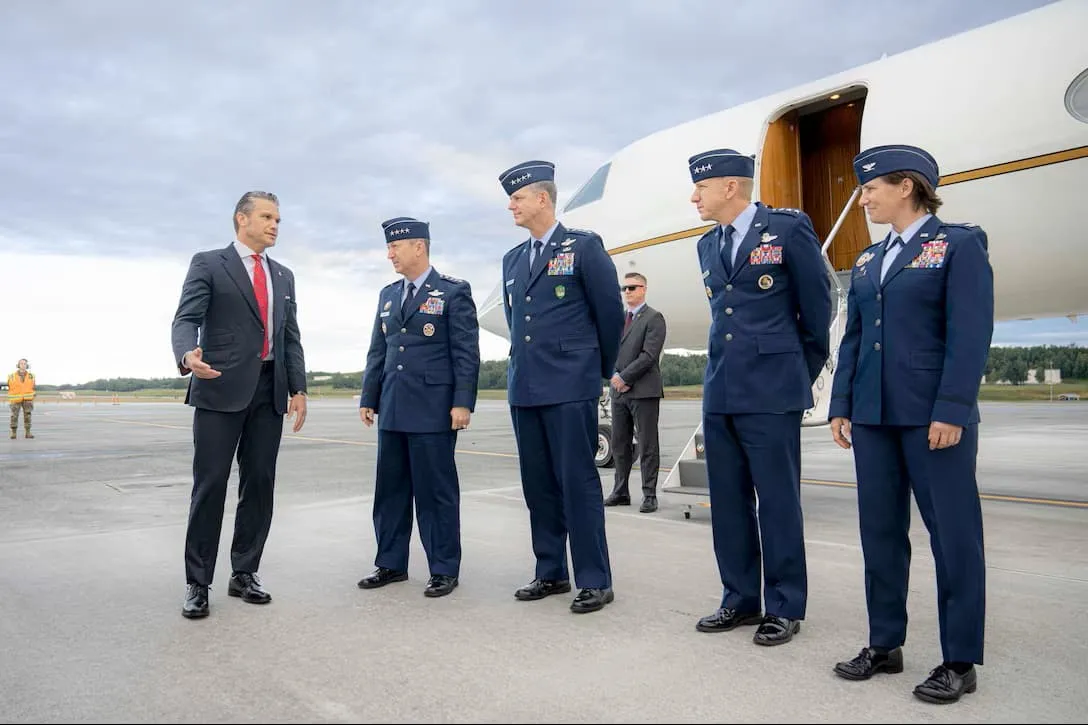
Internal tensions between Pete Hegseth and Army Secretary Dan Driscoll have led to significant leadership changes within the Department of Defense. Hegseth’s recent overhaul of military leadership was reportedly driven by a deteriorating relationship with Driscoll, raising questions about stability in the department during a critical period of military operations.
As the conflict with Iran escalates, Hegseth has expressed increasing insecurity about his position, prompting him to request resignations from several senior military officials. This move has sparked concerns among military observers regarding the implications for U.S. defense strategy and operational effectiveness.
Compounding the situation, Hegseth has faced scrutiny over a reported attempt to invest in defense-related assets shortly before military actions against Iran. Allegations surfaced that his broker contacted BlackRock regarding a significant investment in a Defense ETF, raising ethical questions about his motives during a time of heightened military engagement.
The Department of Defense has denied any wrongdoing in relation to Hegseth’s potential investment, labeling the allegations as false. However, the timing of these events has led to speculation about the integrity of decision-making processes within the department.
Hegseth’s leadership overhaul occurred during active military operations, further complicating the narrative surrounding his actions. As tensions rise, both within the military and in the broader geopolitical landscape, observers are left to ponder the ramifications of these internal conflicts.
Details remain unconfirmed regarding the full extent of the fallout from Hegseth’s leadership changes and the implications for U.S. military strategy moving forward. The ongoing situation underscores the challenges faced by military leaders in balancing operational demands with internal governance.