Introduction
The GMB Union, one of the largest trade unions in the United Kingdom, plays a pivotal role in advocating for workers’ rights across a wide range of industries. Established in 1889, the GMB represents over 600,000 members, including those in the public services, manufacturing, and the private sector. The union’s significance has grown lately, especially in light of ongoing discussions around workers’ rights, fair pay, and job security amid a changing economic landscape.
Recent Activities and Events
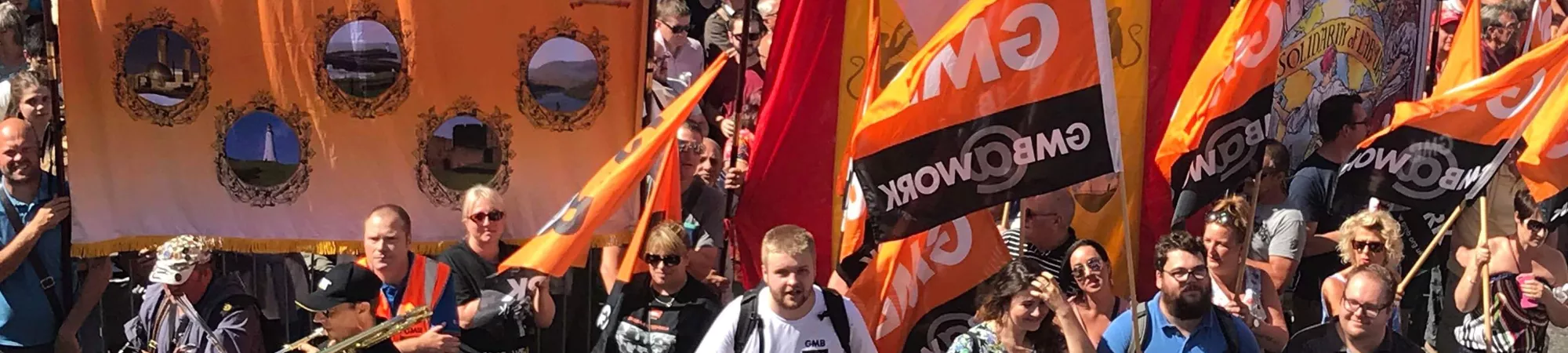
In recent months, the GMB Union has been at the forefront of several high-profile industrial actions aimed at securing better pay and conditions for its members. Notably, in September 2023, thousands of GMB members participated in a strike across the National Health Service (NHS), demanding improved pay for healthcare workers faced with increasing workloads and inflationary pressures. This action followed a wave of industrial action in other sectors, including transport and education, underlining a growing trend in collective bargaining efforts.
In addition to campaigns for better wages, the GMB has also focused on improving workplace safety standards, which have come under scrutiny during the pandemic. Union leaders have emphasized the importance of mental health support as part of a broader push for comprehensive health and safety measures in workplaces.
Impact on Workers’ Rights
The proactive stance of the GMB Union reflects a larger movement among labour organisations in the UK, as workers seek to navigate economic uncertainties and the challenges presented by the post-pandemic recovery. The union’s efforts have placed pressure on employers and the government to consider the wellbeing of workers, especially in industries that have historically been underfunded or undervalued.
Moreover, the union is actively involved in political advocacy, engaging with policymakers to influence regulations that protect workers. Recently, its leaders have called for an increase in the National Minimum Wage to help combat the cost-of-living crisis affecting many households in the UK.
Conclusion
The GMB Union’s recent activities highlight its critical role in the labour landscape of the UK. As economic pressures continue to mount, the need for strong representation in the workplace becomes more vital. The GMB’s focus on fair pay, workplace safety, and support for mental health reflects a broader recognition of the challenges that workers face today. Looking forward, it is anticipated that the union will maintain this momentum, pushing for progressive changes and ensuring that the voices of workers are heard. For employees, the actions of the GMB can provide hope and solidarity in addressing workplace issues and advocating for better conditions.