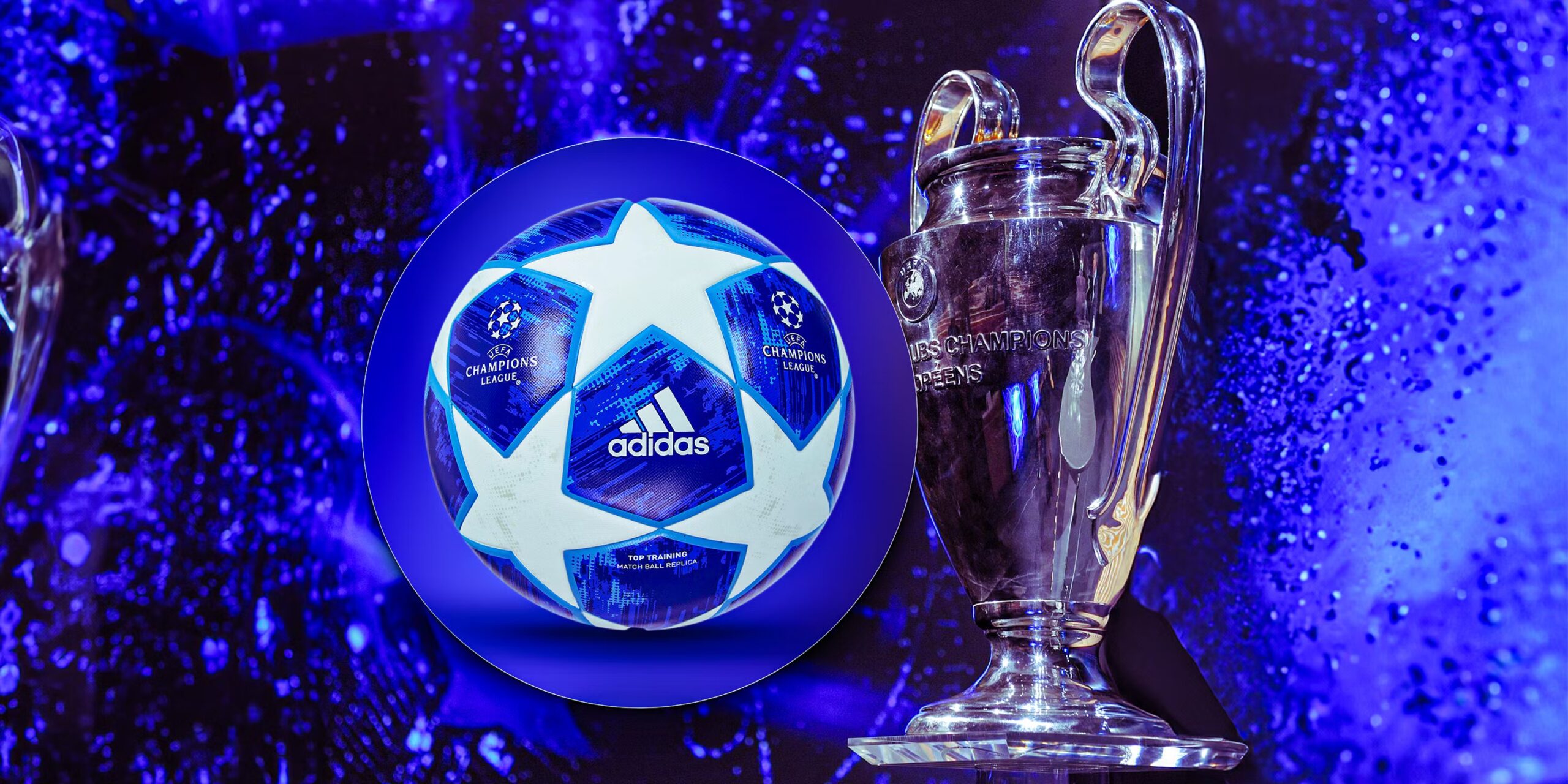
The Importance of the Champions League Format
The UEFA Champions League is one of the most prestigious competitions in football, drawing in millions of viewers and involving some of the top clubs across Europe. The format of this tournament has significant implications not only for the teams competing but also for fans and stakeholders invested in European football. Recently, the format has undergone notable changes aimed at increasing competitiveness and viewer engagement.
Overview of the Current Format
The 2023 Champions League format introduces a new league stage that replaces the traditional group stage. This format will witness 36 teams competing in a single league, with each club playing eight matches against different opponents. This is a shift from the previous model where teams were divided into groups and played six matches. The top eight teams in this league will secure direct spots in the knockout rounds, while the teams finishing from ninth to 24th will enter a playoff round to vie for the remaining eight spots.
Implications for Clubs and Fans
One of the primary goals of these changes is to enhance the competitiveness of the tournament. By allowing teams to face a variety of opponents early in the competition, fans can expect exciting match-ups and reduced predictability in outcomes. Additionally, this format aims to reduce the number of teams eliminated early, giving clubs a better chance to earn revenue from ticket sales and broadcasting rights throughout the tournament.
Feedback and Reactions
Reactions to the new format have been mixed. Some clubs have welcomed the changes, believing that the new format presents a fairer opportunity to showcase talent and compete at a higher level. However, concerns have arisen regarding the potential dilution of the competition’s prestige, as lower-ranked teams may find it increasingly challenging to progress and make a mark. The inclusion of more matches raises questions about player fatigue and scheduling conflicts in domestic leagues.
Conclusion: The Future of European Football
The shift to a new Champions League format is a significant step in the evolution of European football. As clubs adjust to this new structure, it will be essential to monitor its effects on both competitive balance and fan engagement. This format aims not only to boost the excitement of the Champions League but also to elevate the profile of all competing teams, making European football more thrilling and accessible for fans worldwide. The outcome of this experiment will likely shape the future of tournament football in Europe, setting a precedent for how competitions are structured in the years to come.