Introduction to Ebola and Its Importance
Ebola, a viral hemorrhagic fever, has periodically emerged in various parts of Africa, leading to significant public health crises. Understanding the current status of Ebola outbreaks is crucial for global health as it affects disease control efforts, healthcare responses, and community safety.
Recent Outbreaks and Developments
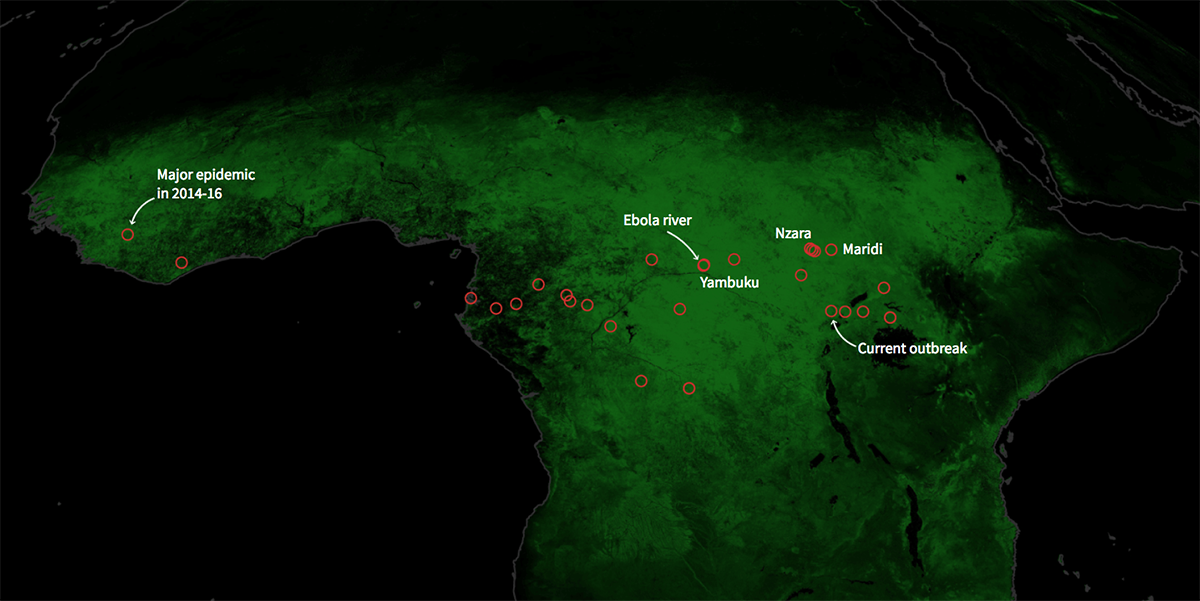
As of September 2023, the Democratic Republic of the Congo (DRC) has reported several new cases of Ebola, sparking fears of a larger outbreak. The World Health Organization (WHO) announced last week that there are over 30 confirmed cases in the DRC, with health officials actively tracing contacts to prevent further spread. In addition, neighbouring countries are ramping up preparedness measures, including vaccination campaigns for frontline workers and communities at high risk.
Factors Contributing to the Spread
Several factors have contributed to this recent surge in Ebola cases, including ecological changes and increased human-animal interactions, particularly in regions where the fruit bat, the primary reservoir for the virus, is found. Outbreaks are often exacerbated by insufficient healthcare infrastructure, which hinders swift response to new infections.
Public Health Response
Health authorities in affected regions are implementing rigorous responses to control the Ebola virus. This includes deploying rapid response teams, conducting public health awareness campaigns, and utilizing Ebola vaccines developed in prior outbreaks. The collaboration of international bodies, including Médecins Sans Frontières, continues to be pivotal in managing and containing the outbreak.
Conclusion and Future Outlook
The current Ebola situation highlights the need for sustained vigilance and investment in public health systems. As the DRC battles with these new cases, global health experts underscore the importance of swift containment strategies to prevent further transmission. Continued monitoring and support from international health agencies are vital in navigating this public health threat. Efforts to strengthen healthcare infrastructures and enhance community education about Ebola will be essential in reducing the impact of future outbreaks.