Introduction
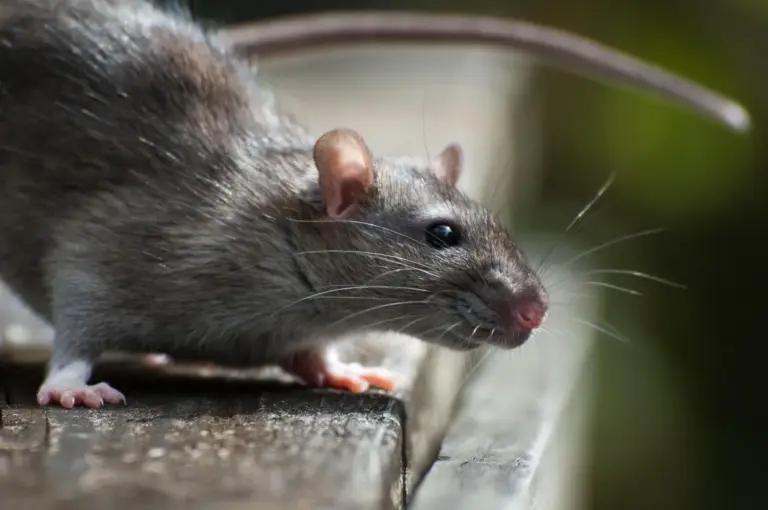
The Nipah virus outbreak has emerged as a significant threat to public health, particularly in regions of South Asia. Known for its high fatality rate and potential for rapid transmission, the Nipah virus underlines the urgent need for global awareness and control measures. This virus, which is zoonotic in nature, often ties back to fruit bats and can infect humans through direct contact with infected animals or contaminated food.
Recent Developments
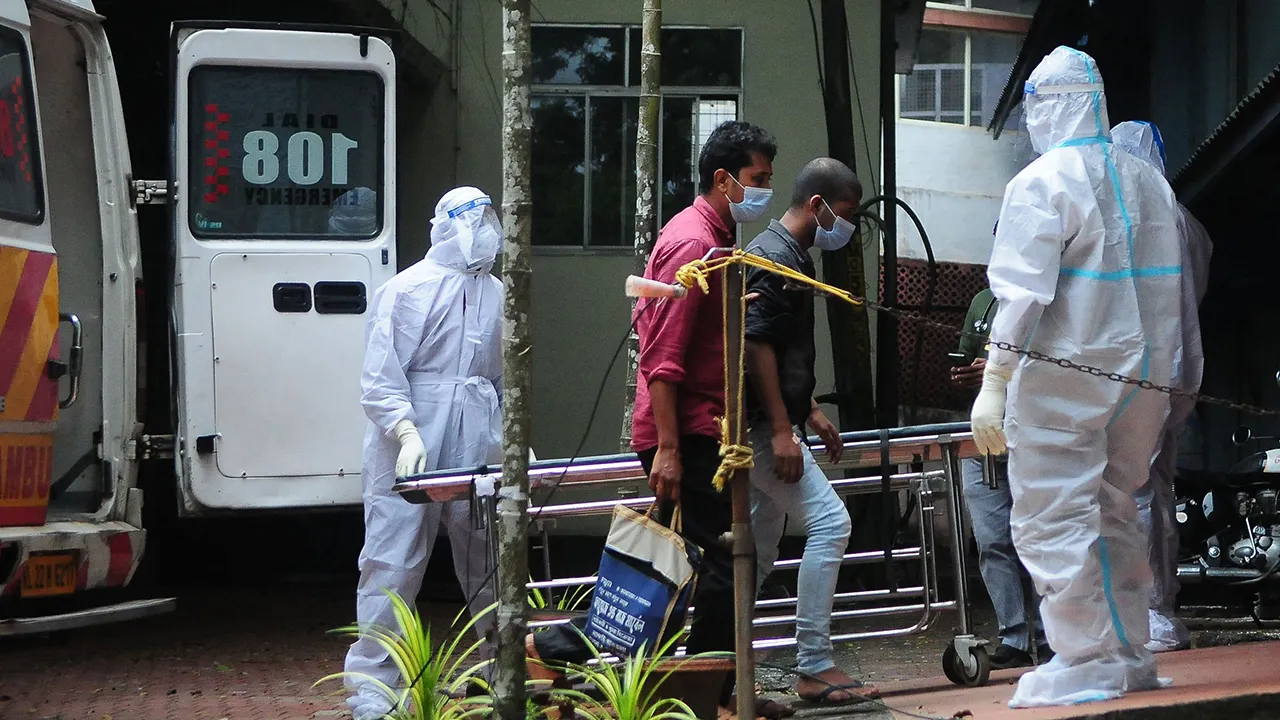
In the latest reports, several cases of Nipah virus infections have been confirmed in Kerala, India, raising alarm among health officials. As of October 2023, at least five people have died from the infection, with numerous others under surveillance for symptoms, which include fever, respiratory problems, and neurological complications. The Kerala health department has initiated a rigorous contact tracing effort, seeking to identify and monitor individuals who may have come into contact with infected persons.
The World Health Organization (WHO) is advising preventive precautions, including avoiding contact with bats and maintaining hygiene when handling potentially contaminated food products. Public health messaging around avoiding areas known for bat habitation is also crucial in minimising risks, as the virus can also spread through person-to-person transmission.
Preventive Measures and Health Infrastructure
Significant efforts are underway to build robust health infrastructures capable of responding to outbreaks swiftly. Health care workers are being trained on the signs of Nipah virus and proper protective measures. In addition, awareness campaigns are being launched to educate communities on prevention techniques and the importance of seeking immediate medical attention if symptoms arise.
Conclusion
The recent outbreak of the Nipah virus highlights the vital importance of public health preparedness and the need for communities to remain vigilant. Given its high case fatality rate and potential for swift transmission, the Nipah virus presents a serious challenge not only to India but globally. Monitoring efforts, improving health care responses, and community education will be essential in mitigating the effects of this deadly disease. The urgency of the situation calls for sustained focus from both health authorities and individuals, as understanding and acting upon preventive measures can save lives.