Introduction
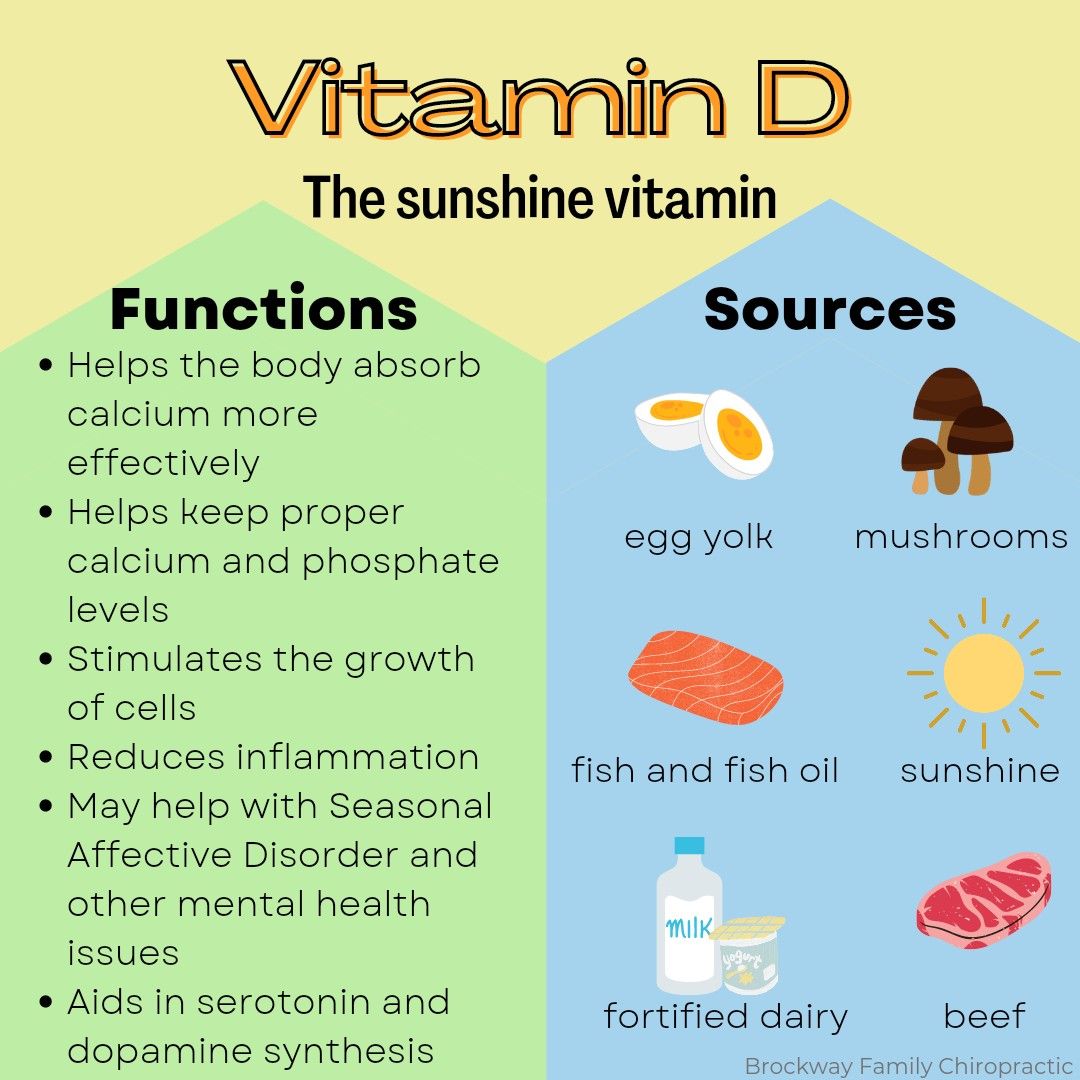
Vitamin D, often referred to as the ‘sunshine vitamin’, is crucial for maintaining various bodily functions, including bone health, immune system regulation, and mood enhancement. With growing awareness of its significance, particularly in light of recent health challenges, understanding the role of vitamin D has never been more relevant. Deficiencies in this essential vitamin have been linked to numerous health issues, urging health professionals to advocate for adequate intake and sun exposure.
Recent Findings on Vitamin D Deficiency
Recent studies have illuminated the alarming prevalence of vitamin D deficiency across the UK. According to Public Health England, around 1 in 5 adults have lower than recommended levels of this vitamin, particularly during the winter months when sunlight exposure is limited. This deficiency can lead to health complications such as rickets in children and osteomalacia in adults, both of which weaken bones.
Furthermore, research published in the journal *Nutrients* has shown a correlation between vitamin D deficiency and increased susceptibility to respiratory infections, indicating that maintaining sufficient levels may also play a preventative role during flu season or pandemics. This has led to renewed discussions regarding food fortification and supplementation as public health measures.
Sources and Recommendations
Vitamin D can be obtained through diet, supplements, and exposure to sunlight. Rich dietary sources include fatty fish, fortified dairy products, and certain mushrooms. Despite this, a balanced diet alone might not suffice for adequate vitamin D levels, prompting health officials to recommend supplements, especially for vulnerable groups such as the elderly, those with darker skin tones, or those who spend a lot of time indoors.
The NHS recommends a daily intake of 10 micrograms of vitamin D for most adults and children aged one and over, particularly during the autumn and winter months when sunlight is less available.
Conclusion
As research continues to highlight the integral role of vitamin D in maintaining overall health, it is essential for individuals to assess their levels and take proactive steps towards ensuring adequate intake. Health initiatives aimed at increasing public awareness and access to vitamin D through diet and supplements are crucial, particularly in a post-pandemic landscape where immunity is more important than ever. The future will likely see enhanced health strategies centred around this vital vitamin, impacting guidelines and public health policies aimed at improving national health outcomes.