Introduction
The rivalry between India and Pakistan is one of the most intense and storied rivalries in the world, spanning over seven decades. Rooted in historical, political, and cultural differences, this rivalry has not only shaped the relationship between the two nations but has also created a rich tapestry of conflict and competition, especially in the sporting arena. Their encounters, particularly in cricket, draw millions of spectators and have significant socio-political implications.
A Brief Historical Overview
The origins of the India-Pakistan rivalry can be traced back to the partition of British India in 1947, which led to the creation of Pakistan as a separate nation for Muslims. This tumultuous time was marked by widespread violence, displacement, and loss of life, laying the groundwork for future animosities. Subsequent conflicts, including the wars of 1947, 1965, and 1971, further entrenched hostilities, with the Kashmir dispute remaining a significant flashpoint.
Sporting Rivalry
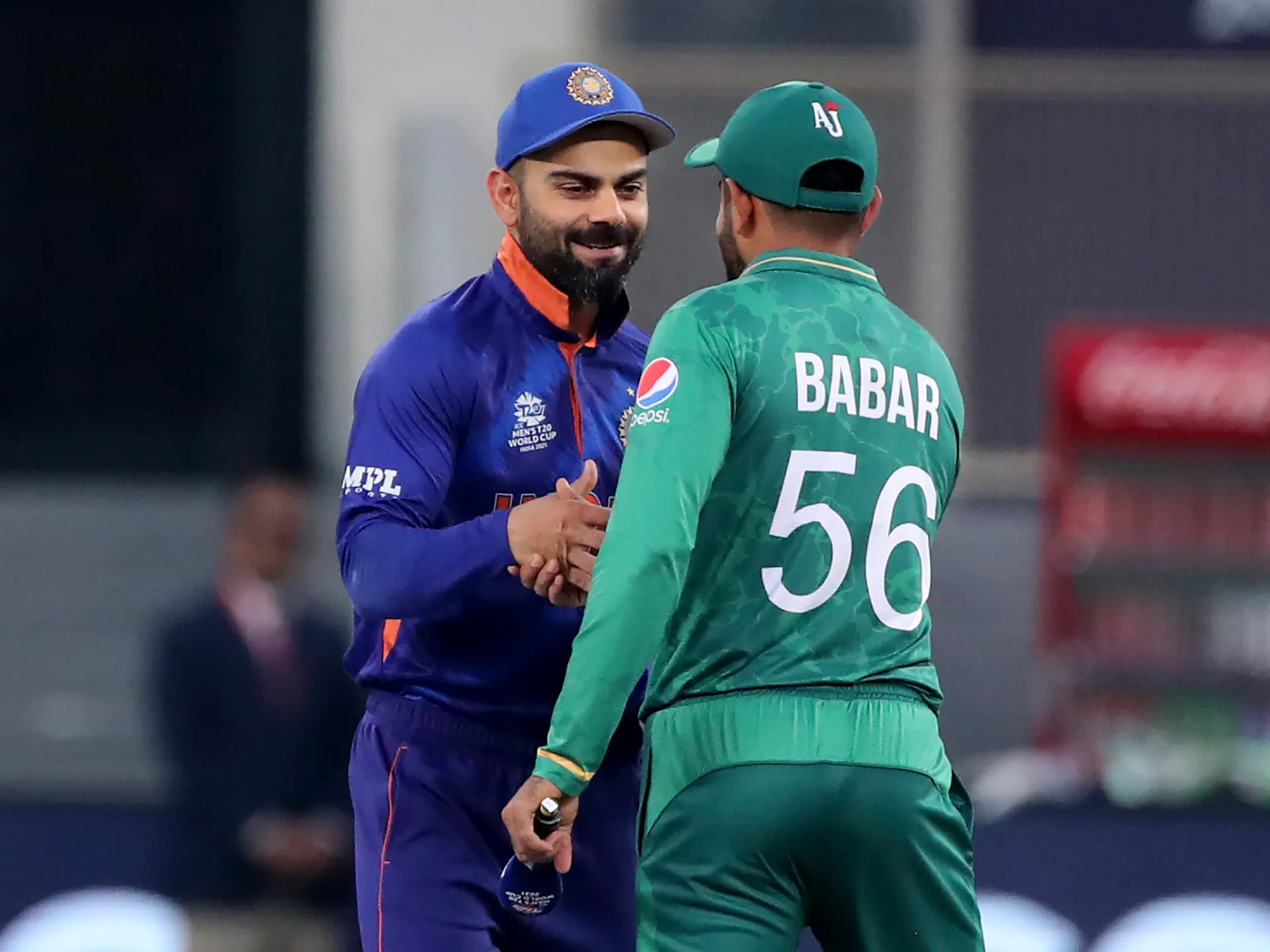
In the realm of sports, cricket stands out as the most prominent battlefield for this rivalry. Matches between India and Pakistan evoke immense passion and national pride. For example, the 2019 ICC Cricket World Cup match became a global spectacle, drawing an audience of over 1.6 billion viewers. Not just about the game, these encounters are laden with emotions and national sentiment, often prioritising national identity over sport itself. The outcomes of these matches can sway public opinion and even affect diplomatic relations.
Recent Developments
In more recent times, the bilateral ties have seen fluctuations, with cricketing ties often affected by political tensions. The last official series was held in 2013, with sporadic contests limited to international tournaments. However, there are ongoing discussions about reviving cricketing ties in the future, reflecting the potential for sports to bridge gaps despite historical divides.
Conclusion
The India vs Pakistan rivalry continues to command attention, fueled by its historical complexities and the passionate responses it elicits. As both nations grow and evolve, so too will their relationship. The importance of this rivalry extends beyond mere entertainment, serving as a lens through which to understand broader geopolitical dynamics. Looking ahead, the potential for sports diplomacy remains, with many hoping that cricket can once again serve as a means to foster understanding and bridge the divide.