Introduction
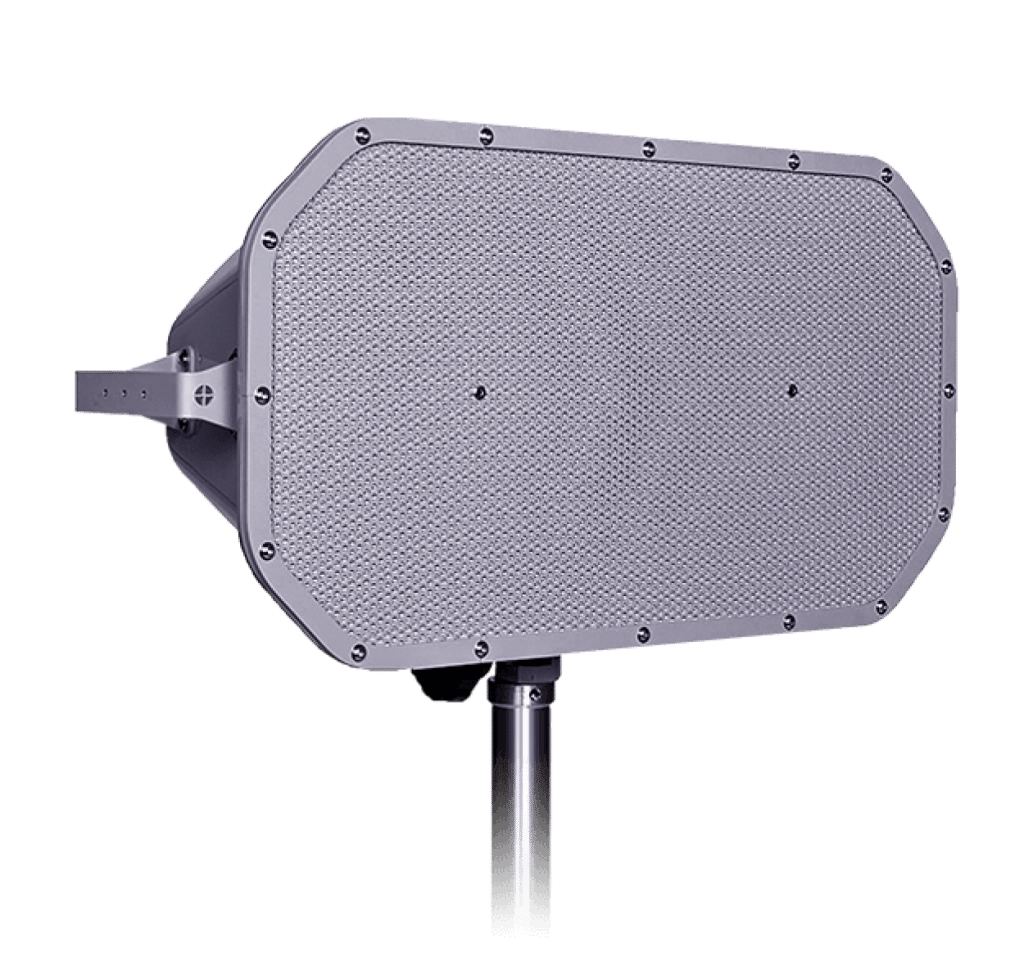
The Long Range Acoustic Device (LRAD) represents a significant advancement in communication technology, enabling effective audio messaging over considerable distances. Originally developed for marine applications, LRAD technology has gained widespread recognition for its utility in military, law enforcement, and crowd management scenarios. Understanding LRAD’s mechanism and its growing relevance in various fields is essential for appreciating modern sound dispersion technology.
What is LRAD?
LRAD is a powerful directional speaker that utilises ultrasonic technology to project sound waves over long distances, typically exceeding 1,500 metres. This device can produce clear and intelligible messages, even in noisy environments, making it particularly valuable for emergency situations or crowd control. The ability to deliver messages over such great distances without distortion fundamentally changes how authorities communicate in crises.
Current Events and Applications
Recently, LRADs have been deployed in various high-profile situations. For example, during protests worldwide, law enforcement agencies have employed LRADs to issue warnings or provide instructions to crowds, aiming to prevent escalation and ensure public safety. In 2023, several police departments across the United Kingdom enhanced their crowd management strategies by integrating LRAD technology for more efficient communication during public demonstrations.
Moreover, LRADs have found applications far beyond public order scenarios. They are increasingly utilised in industrial settings, ensuring safety through clear auditory signals in areas where visual communication might fail due to obstructions or environmental factors. The maritime industry also benefits from LRADs for what are often vital emergency announcements in situations where traditional communication methods are inadequate.
Challenges and Considerations
Despite their advantages, the use of LRADs is not without controversy. Concerns arise over the potential for hearing damage due to the high sound levels emitted, leading to discussions around regulations governing their deployment. Sound pollution also poses a valid point of criticism, especially in densely populated areas. Balancing the need for effective communication with public health considerations remains an important dialogue in the ongoing development of LRAD technology.
Conclusion
The LRAD is a remarkable innovation that illustrates the intersection of technology and communication efficiency. Its use in various applications, from law enforcement to industrial safety, highlights its versatility and importance. As debates continue about the ethical use and potential health implications of LRADs, ongoing advancements in technology are expected to bring about improvements that address these concerns. Ultimately, understanding LRAD’s capabilities will inform its future developments and regulatory frameworks, ensuring that this technology serves its intended purpose safely and effectively.