Introduction
Measles, a highly contagious viral disease, has re-emerged as a significant public health concern across various regions globally. The World Health Organization (WHO) has reported an alarming increase in measles cases in the past year, prompting urgent calls for vaccination and public awareness campaigns. Understanding the resurgence of measles is crucial as it poses risks not just to individuals but also to community health.
Current Measles Statistics
According to WHO data, as of October 2023, meales cases have spiked by 50% compared to the previous year, with the highest incidences recorded in Europe and Asia. Countries like Romania, Ukraine, and Pakistan have reported the most significant outbreaks. The rising trend can be attributed to a combination of vaccine hesitancy, misinformation about vaccine safety, and disruptions to vaccination programmes during the COVID-19 pandemic.
The Importance of Vaccination
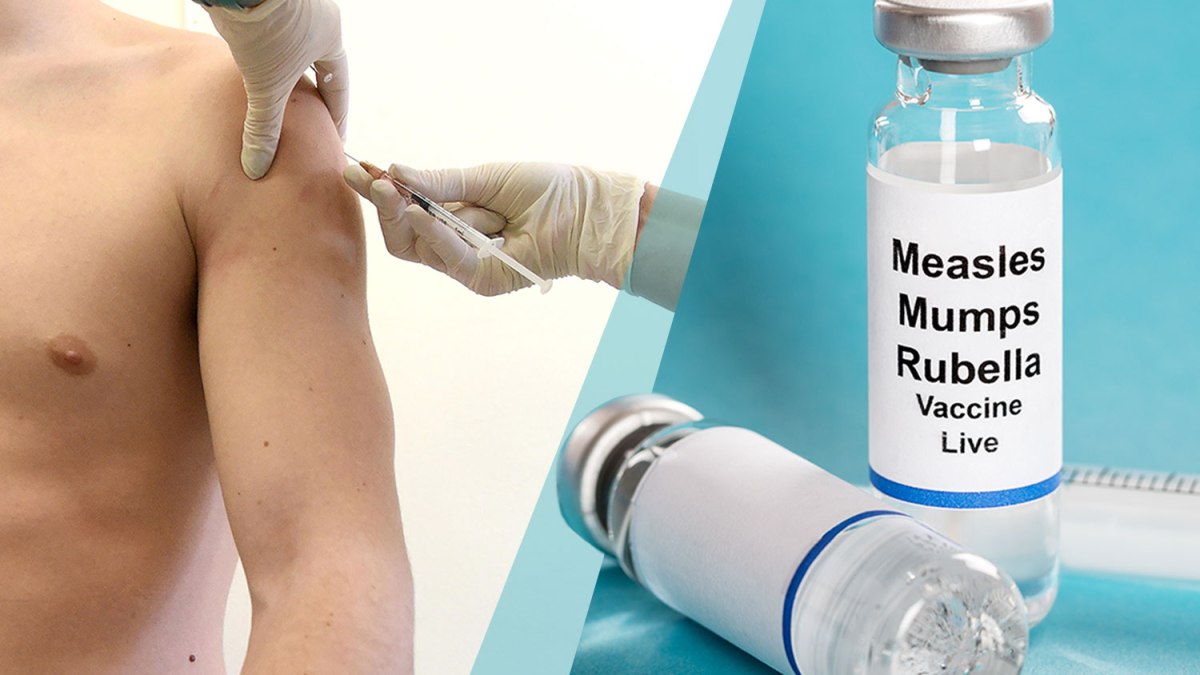
Vaccination remains the most effective method of preventing measles outbreaks. The measles, mumps, and rubella (MMR) vaccine provides robust immunity against these diseases. Health experts recommend that children receive two doses of the MMR vaccine, the first at 12 to 15 months and the second at four to six years. Unfortunately, immunisation coverage has dropped below the 95% threshold needed for herd immunity in many areas, creating fertile ground for outbreaks.
Public Health Responses
In response to the escalating cases, health authorities are implementing intensified vaccination campaigns and public education initiatives. For example, the UK Health Security Agency has launched a campaign encouraging parents to ensure their children are up-to-date with vaccinations. Additionally, countries with high rates of measles are considering policy measures to mandate vaccinations, particularly for school-age children, to boost immunisation coverage.
Conclusion
The ongoing measles outbreak underscores the critical importance of vaccination in safeguarding public health. With the potential for measles to spread rapidly in unvaccinated populations, it is more imperative than ever for communities to engage in dialogues about vaccine benefits and safety. Through collective efforts in education and vaccination, we can control this preventable disease and protect the most vulnerable among us.