Introduction
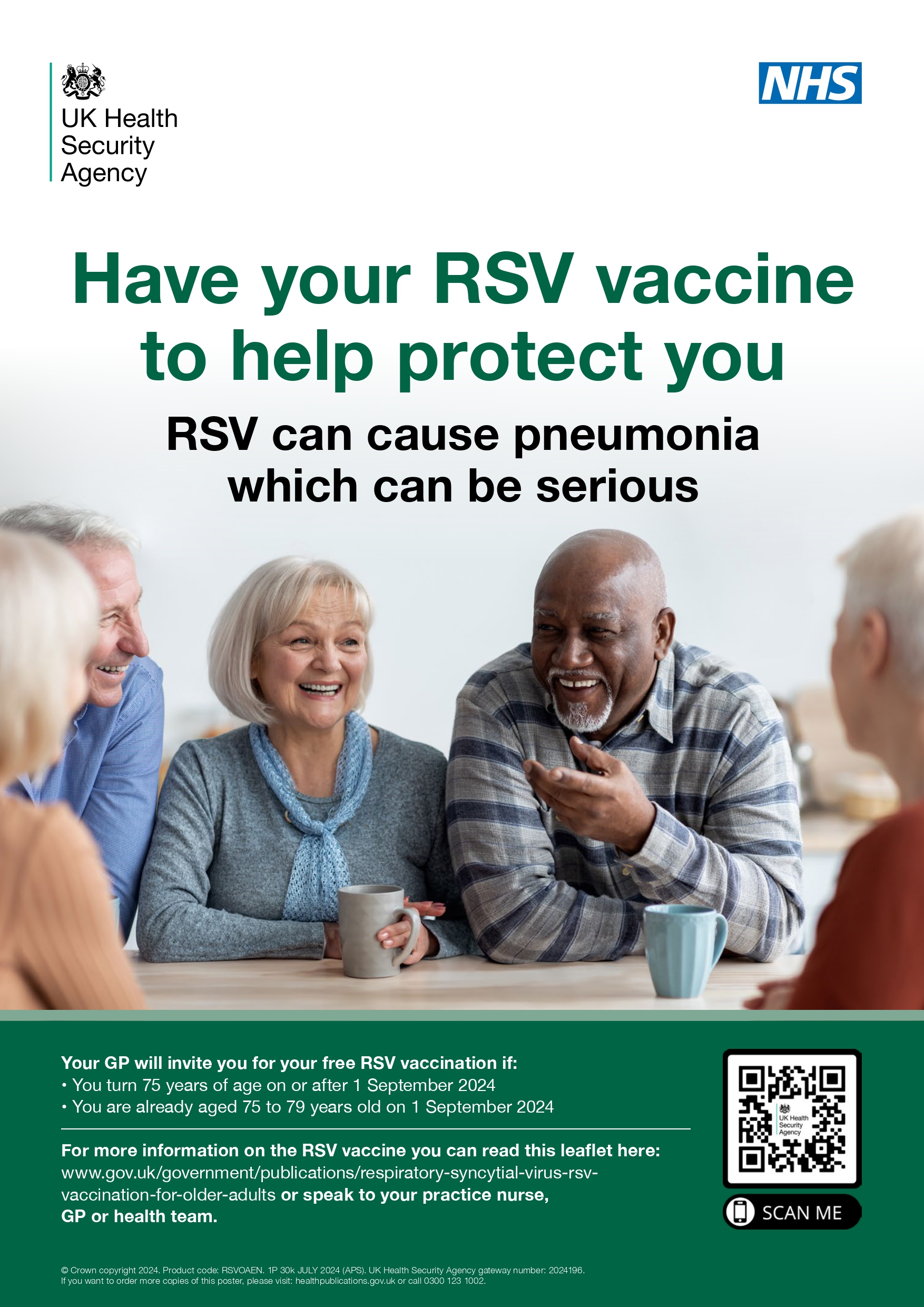
The respiratory syncytial virus (RSV) is a common cause of respiratory infections, particularly in young children and the elderly. In recent years, the development of an RSV vaccine has gained significant attention, particularly given the ongoing impact of respiratory illnesses globally. The importance of an effective RSV vaccine is underscored by the high burden of disease associated with this virus, which causes thousands of hospitalizations each year. Advances in vaccine technology promise to change the landscape of prevention and treatment.
Current Developments in RSV Vaccine
In 2023, several pharmaceutical companies reported promising results from trials investigating RSV vaccines. Two major candidates from Pfizer and Moderna have shown efficiency in preventing RSV among high-risk populations, particularly infants. A recent study conducted by Pfizer revealed their vaccine demonstrated an effectiveness rate of over 70% in preventing severe cases of RSV in infants born to vaccinated mothers. Furthermore, Moderna announced successful trials for an mRNA-based RSV vaccine, leveraging its technology previously applied in COVID-19 vaccines.
These developments come following years of research and multiple failed attempts to create an effective vaccine against RSV. Researchers have long recognised RSV as a leading cause of bronchiolitis and pneumonia in children under one year old, and the push for a vaccine is crucial as cases often spike during the winter months when respiratory viruses are prevalent.
Implications for Public Health
The potential rollout of effective RSV vaccines could drastically reduce the incidence of severe respiratory illnesses in vulnerable populations. Public health officials anticipate that widespread vaccination could alleviate the seasonal strain on healthcare systems, particularly during peak RSV seasons. With high hospitalisation rates in infants and the elderly, vaccination could save lives and reduce the financial burden on health services.
Conclusion
As trials continue and regulatory approvals are sought, the introduction of an RSV vaccine could represent a significant milestone in public health. Should these vaccines receive clearance and subsequently be rolled out, we could see a dramatic change in the landscape of respiratory illness prevention, especially for the most vulnerable groups. The widespread implementation of RSV vaccination could not only save countless lives but also offer a proactive approach to managing respiratory illness, positioning public health services to respond effectively to future health crises. Indeed, the forthcoming RSV vaccine could herald a new chapter in the fight against respiratory infections.