Introduction
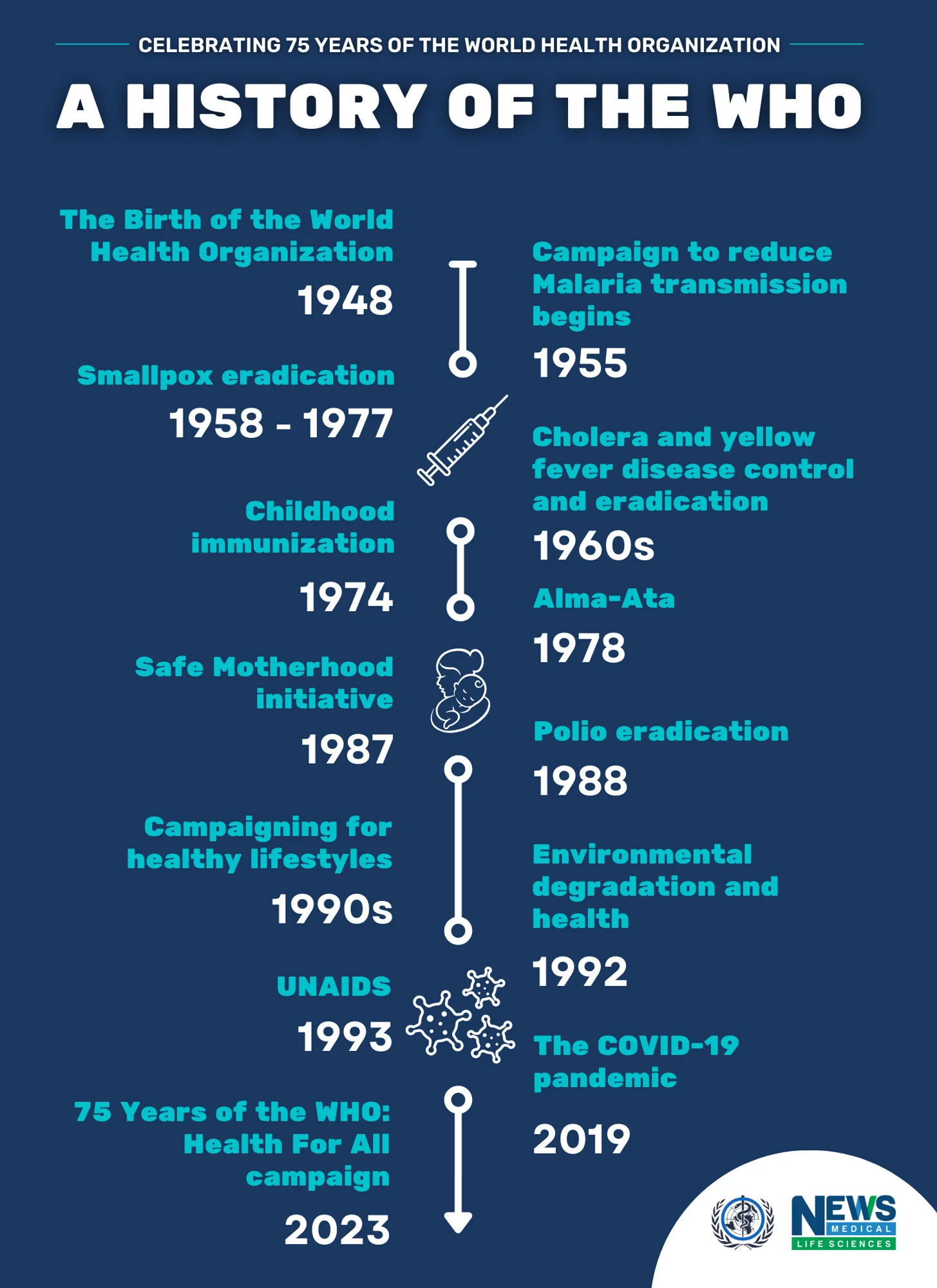
The World Health Organization (WHO) plays a pivotal role in navigating global health challenges. Founded in 1948, it is the directing and coordinating authority on international health within the United Nations system. WHO’s mission is to promote health, keep the world safe, and serve vulnerable populations. In a time when global health crises, like pandemics, climate impact on health, and non-communicable diseases, are prevalent, WHO’s functions have become increasingly relevant.
Recent Developments
In 2023, the WHO has continued to tackle a range of pressing health issues. Notably, the organization has focused its efforts on preparedness for future pandemics, following the extensive challenges posed by COVID-19. In a recent report, it was noted that the world must build robust health systems capable of quickly responding to emerging infectious diseases. WHO has also launched initiatives addressing mental health and substance abuse, aiming to expand access to treatment and support for all communities.
COVID-19 Response
Continuing to respond to the effects of COVID-19, WHO announced new guidelines in early 2023 aimed at combating misinformation and vaccine hesitancy. The latest data from their studies show that vaccination rates need to improve globally, especially in low-income countries where access remains limited. WHO’s efforts are spread across outreach programs, increasing vaccine availability, and combating misinformation about health practices.
Global Health Initiatives
WHO’s initiatives in tackling diseases such as tuberculosis, malaria, and HIV/AIDS remain crucial. The organization reports on the progress of these diseases and aims to innovate treatments and improve access to healthcare. Furthermore, it advocates for the importance of mental health, especially following the pandemic’s toll, by pushing for integration of mental health services into primary healthcare.
Conclusion
The significance of the World Health Organization cannot be understated, particularly as the world grapples with both legacy health issues and newly emerging threats. With rising health inequalities, WHO’s ongoing adaptation and response strategies are vital. The organisation’s progressive approaches will shape global health for years to come, making ongoing support and attention to its initiatives essential for individuals and nations alike. As we advance, the importance of international cooperation in health governance appears even more crucial to achieving these mutual goals.