Introduction
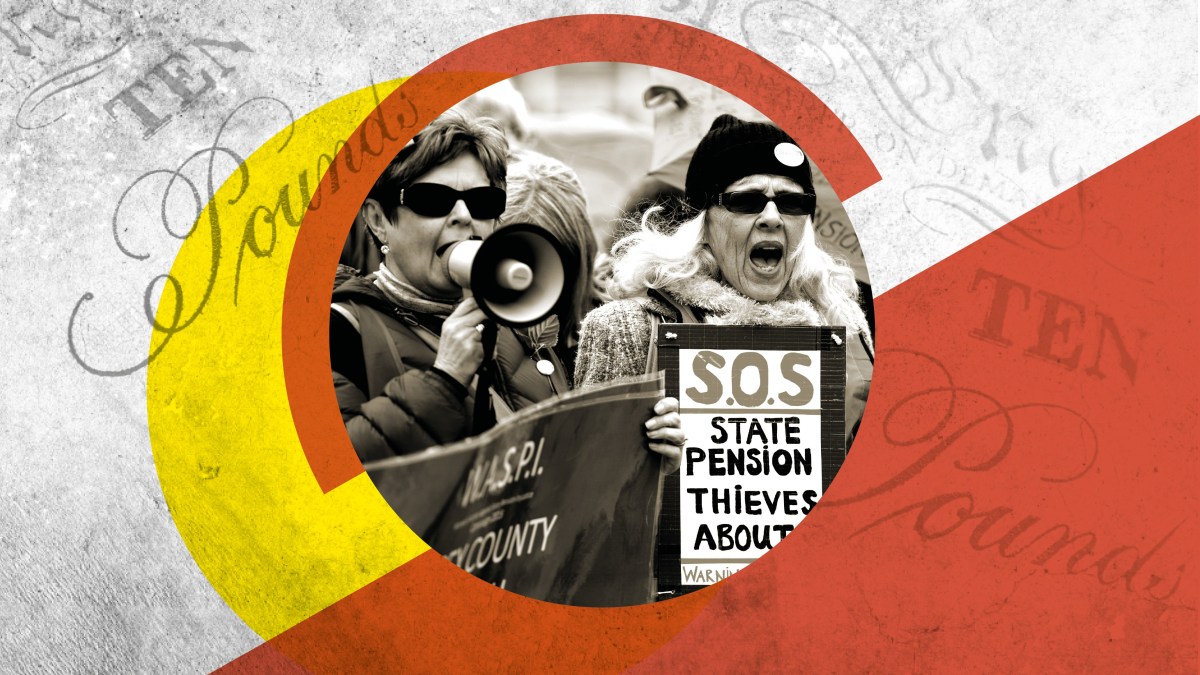
The WASPI (Women Against State Pension Inequality) campaign has gained significant attention in recent years, highlighting the struggles of women born in the 1950s who faced sudden and unexpected changes to their State Pension age. This topic is crucial as it not only affects the financial stability of hundreds of thousands of women in the UK but also raises broader issues of gender equality and justice in retirement funding.
The Background of WASPI
In 2011, the UK government increased the State Pension age for women from 60 to 66, a move aimed at addressing the increasing life expectancy and the financial sustainability of the pension system. However, this policy change was implemented with short notice, leaving many women with insufficient time to plan their retirement. Since then, the WASPI campaign has been relentless in its fight for equitable treatment and seeks to compensate the affected women for the financial losses incurred.
Recent Developments
As of late 2023, the WASPI campaign continues to make headlines, with renewed calls for government action. Several local MPs have voiced support for the cause, and some have proposed measures that could potentially alleviate the financial burden on these women. Various groups, including independent financial experts, have started to evaluate the economic impact on the individuals affected, paving the way for better understanding and possible reformation of the policy.
The Broader Impact
The repercussions of the WASPI situation extend beyond individual pensioners; they highlight systemic issues surrounding gender pay inequality and the adequacy of the state welfare system. The campaign has ignited discussions around the necessity of proper communication and planning regarding retirement funds and the impact of policy changes on vulnerable demographics. Many women have shared personal stories of hardship, leading to heightened public empathy and awareness of the situation.
Conclusion
The WASPI campaign serves as a testament to the power of grassroots movements in challenging governmental decisions that adversely affect certain groups. As more women continue to advocate for justice and fair treatment, the issue remains critical in discussions about the future of pensions in the UK. The expected outcomes of continued pressure on policymakers will determine whether those affected can achieve the redress they seek and whether similar situations can be prevented in the future. It is essential for readers to remain informed about this ongoing issue, as the implications extend into broader societal themes of fairness and equality in retirement planning.