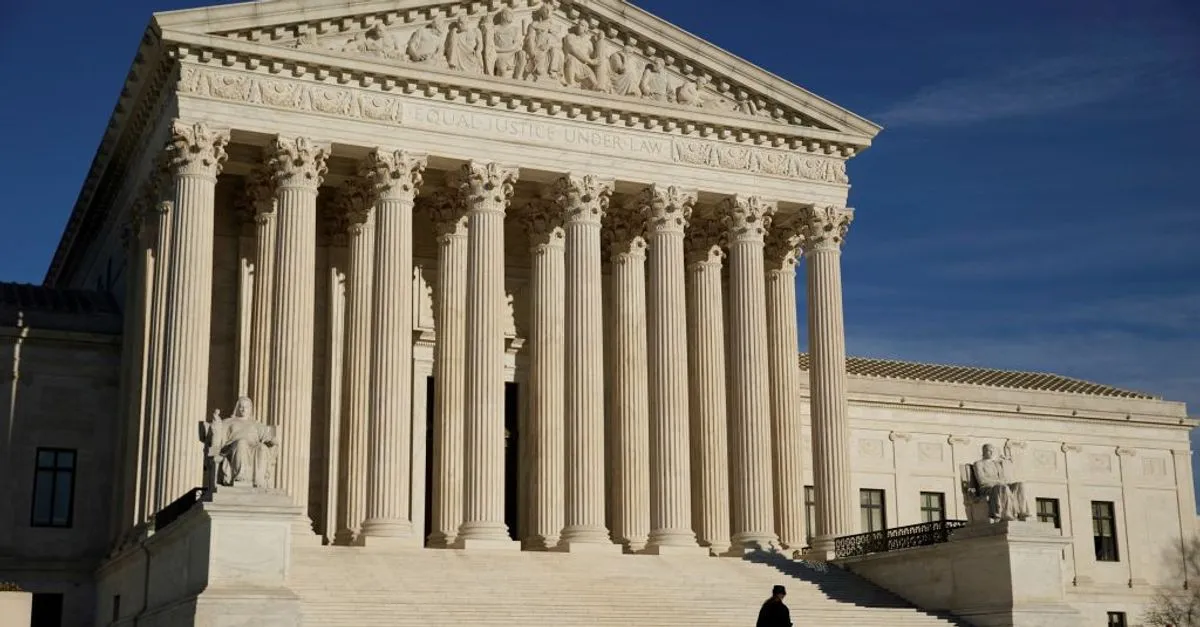
The Supreme Court’s recent ruling has effectively weakened the Voting Rights Act, potentially reshaping congressional representation in favor of Republican interests. On April 29, 2026, the Court struck down a Louisiana congressional map that a group of voters challenged as racially discriminatory.
This decision came as a result of a 6-3 vote. The map had created a second majority-Black district in Louisiana — an effort to increase minority representation. Justice Elena Kagan, in her dissent, argued that the majority opinion rendered a key provision of the Voting Rights Act ‘all but a dead letter.’
In her dissent, Kagan emphasized that this ruling hollowed out what was once considered one of the most consequential legislative achievements in U.S. history. She stated, “The gutting of Section 2 puts that achievement in peril.” The implications are vast; redistricting efforts nationwide might now face similar scrutiny.
Chief Justice John Roberts described the congressional district as a ‘snake’ stretching more than 200 miles, highlighting concerns over its shape and intent. Meanwhile, Justice Samuel Alito labeled the map an unconstitutional gerrymander.
As this ruling unfolds, it raises critical questions about future redistricting efforts across the country. Officials and advocates are left grappling with how to navigate this altered legal landscape.
The Voting Rights Act was signed into law more than 60 years ago to challenge racially discriminatory election practices. Yet, this recent Supreme Court decision poses significant challenges to its legacy.