Introduction
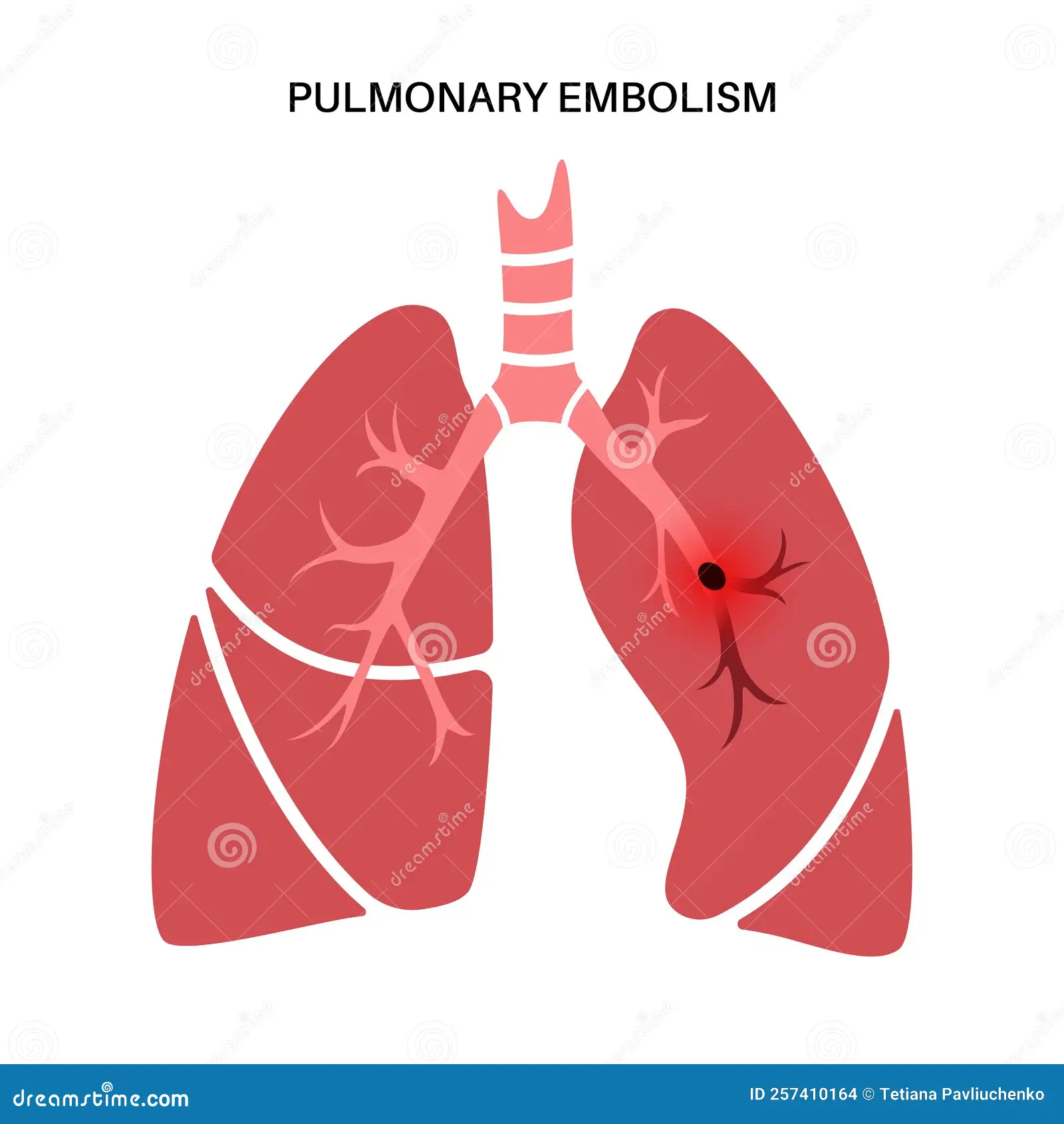
Pulmonary embolism (PE) is a life-threatening condition caused by a blockage in one of the pulmonary arteries in the lungs, typically due to blood clots that travel to the lungs from the deep veins in the legs (deep vein thrombosis). This serious health issue has gained increasing attention in recent years due to its potential for rapid onset and severe consequences. Understanding pulmonary embolism is crucial as it can lead to long-term complications or even death if not diagnosed and treated promptly.
Causes and Risk Factors
Pulmonary embolism is primarily caused by thrombosis, where blood clots form in the deep veins of the legs and travel to the lungs. Key risk factors include prolonged immobility, recent surgeries (particularly orthopedic or pelvic), certain medical conditions such as cancer or heart disease, and lifestyle factors like smoking and obesity. The World Health Organization has noted a rising trend in PE cases, particularly in populations with increased sedentary behaviour.
Symptoms of Pulmonary Embolism
Symptoms of PE can vary significantly but often include sudden shortness of breath, chest pain that may become worse when breathing deeply, a rapid heart rate, and coughing up blood. Some individuals report dizziness or fainting. Due to the nonspecific nature of these symptoms, PE can sometimes be mistaken for less serious conditions, which underscores the need for awareness and swift medical evaluation.
Diagnosis and Treatment
Diagnosis of pulmonary embolism typically involves medical imaging tests, with CT pulmonary angiography being the most common method used to visualise blood flow in the lungs. Other tests may include ultrasound to check for clots in the legs and blood tests to check for substances that are released when the lungs are damaged or stressed.
Treatment for PE aims to prevent further clotting and manage symptoms. Anticoagulant medications, often referred to as blood thinners, are the first line of treatment to reduce the ability of the blood to clot. In severe cases, thrombolytic therapy, which involves dissolving the clot, or surgical interventions may be necessary.
Conclusion
Understanding pulmonary embolism is vital for both medical professionals and the general public. Being aware of the risk factors and symptoms can lead to quicker diagnosis and treatment, potentially saving lives. As health education around conditions like PE evolves, individuals are encouraged to embrace preventative measures, such as maintaining an active lifestyle and seeking regular medical check-ups. As research continues, we anticipate advancements in treatment options that will enhance patient outcomes and reduce the burden of this serious condition.