Who is involved
The White House Easter Egg Roll, a cherished American tradition, is making a comeback on April 6, 2026. This event, which has been a staple of White House festivities for generations, is expected to draw significant crowds and rekindle the joy associated with springtime celebrations. In previous years, the event had faced interruptions and changes, leading to a sense of uncertainty about its future. However, the decision to reinstate the Easter Egg Roll signals a renewed commitment to this beloved tradition.
Before this announcement, many were left wondering whether the Easter Egg Roll would continue to be a part of the White House’s annual events. The previous years had seen fluctuations in attendance and participation due to various factors, including the pandemic and shifting political climates. The anticipation surrounding the 2026 event has grown, especially with the announcement that it will feature 30,000 real eggs and 150 live chicks, marking a significant enhancement to the experience.
The decisive moment came when the White House confirmed the event details, including the selection process for families with children under 13 through an online lottery. This approach not only democratizes access to the event but also ensures that a diverse range of families can partake in this festive occasion. Each family will receive a wooden egg from the official 2026 White House Easter Egg Set, adding a unique keepsake to the experience.
As the event approaches, the excitement is palpable. Approximately 40,000 people are expected to attend, eager to meet the live chicks that are part of the American Egg Board’s Hen-to-Home exhibition. These chicks, hatched just days before the event, symbolize new beginnings and the spirit of Easter. The event is set to start at 10:00 a.m. ET and is anticipated to continue for several hours under sunny skies, enhancing the festive atmosphere.
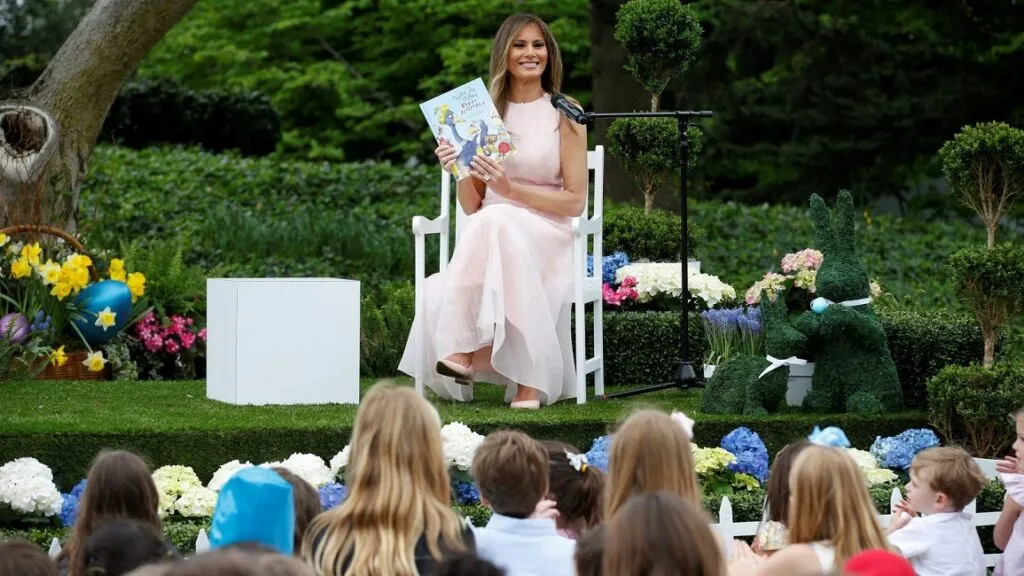
The involvement of notable figures such as Donald Trump and Melania Trump adds an intriguing layer to the event. Their participation is expected to draw attention and possibly influence public perception of the Easter Egg Roll. As Trump remarked, “They just don’t want to say ‘uncle,'” reflecting a determination to uphold traditions despite challenges. This sentiment resonates with many who view the Easter Egg Roll as a vital part of American culture.
Experts suggest that the revival of the Easter Egg Roll could have broader implications for community engagement and family-oriented activities in the United States. The event serves as a reminder of the importance of family traditions and the joy of coming together to celebrate. As the White House stated, “The President and First Lady look forward to continuing this entertaining tradition and making it a truly memorable experience for all.” This commitment to tradition underscores the event’s significance in fostering community spirit.
In summary, the 2026 White House Easter Egg Roll is not just a return to form but a reimagining of a cherished tradition. With new features, a focus on inclusivity, and the promise of a memorable experience, it is poised to capture the hearts of families across the nation once again. As the date approaches, the excitement builds, and the hope is that this event will continue to thrive for generations to come.