The wider picture
The White House Correspondents’ Association (WHCA) has a storied tradition of supporting journalism education, and this legacy continues with the recent establishment of a scholarship in honor of Mark Knoller, a revered figure in the White House press corps. Knoller, known for his encyclopedic knowledge of presidential history, has been a significant resource for many journalists. Weijia Jiang, a fellow journalist, remarked, “Mark Knoller was, by any measure, a legend of the White House press corps — a walking encyclopedia of presidential history and an invaluable resource to every colleague lucky enough to work alongside him.” This scholarship aims to support aspiring journalists at New York University’s Arthur L. Carter Journalism Institute, providing a $5,000 grant along with mentorship from seasoned professionals in the field.
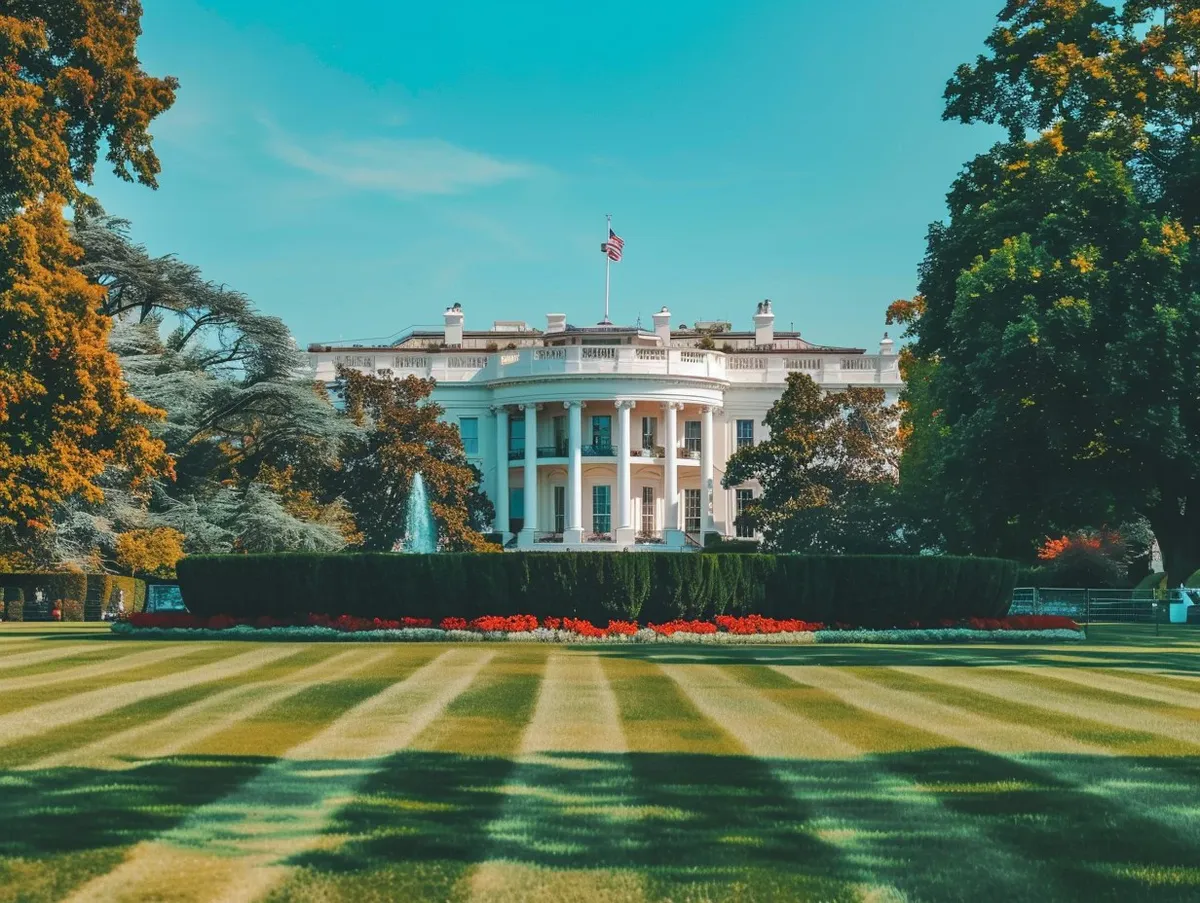
In a separate but equally notable development, the White House recently unveiled a marble statue of Christopher Columbus on its grounds. This installation is part of a broader initiative by the Trump administration to reposition Columbus as a symbol of national pride, especially as the nation approaches the 250th anniversary of its independence. Davis Ingle, a spokesperson for the administration, stated, “As we celebrate our nation’s 250th anniversary of independence, the White House is proud to honour Christopher Columbus’s legendary life and legacy with a well-deserved statue on the White House grounds.” This move has sparked discussions about the historical implications of honoring Columbus, whose legacy is viewed differently across various communities.
The timing of these announcements coincides with the release of the White House’s National Policy Framework for Artificial Intelligence on March 20, 2026. This framework serves as a roadmap for potential federal legislation regarding AI, reflecting the administration’s commitment to addressing contemporary technological challenges. As the nation grapples with the implications of AI, the WHCA’s scholarship initiative underscores the importance of a well-informed press in navigating these complex issues.
While the scholarship for journalism students is widely welcomed, the statue of Columbus has drawn mixed reactions. Critics argue that honoring Columbus overlooks the historical suffering of Indigenous peoples, while supporters claim it celebrates exploration and discovery. This dichotomy reflects ongoing debates about how history is remembered and commemorated in public spaces. The juxtaposition of these two initiatives — one aimed at fostering future journalism and the other at revisiting historical narratives — highlights the complexities of American identity and values.
As the WHCA prepares to award the first scholarship, it remains to be seen how the broader public will respond to the installation of the Columbus statue. Observers note that the administration’s actions may influence future discussions on historical representation and the role of journalism in shaping public discourse. The scholarship initiative is expected to inspire a new generation of journalists who will play a critical role in informing the public about such contentious issues.
In the coming months, the WHCA will likely continue to advocate for journalism education, while the administration’s handling of the Columbus statue may prompt further scrutiny and dialogue. The intersection of these developments illustrates the ongoing evolution of American values and the importance of historical context in shaping contemporary discussions.
Details remain unconfirmed regarding the long-term plans for the Columbus statue and its impact on public sentiment. However, the WHCA’s commitment to supporting journalism through the scholarship initiative stands as a testament to the enduring value of a free and informed press in a democratic society.