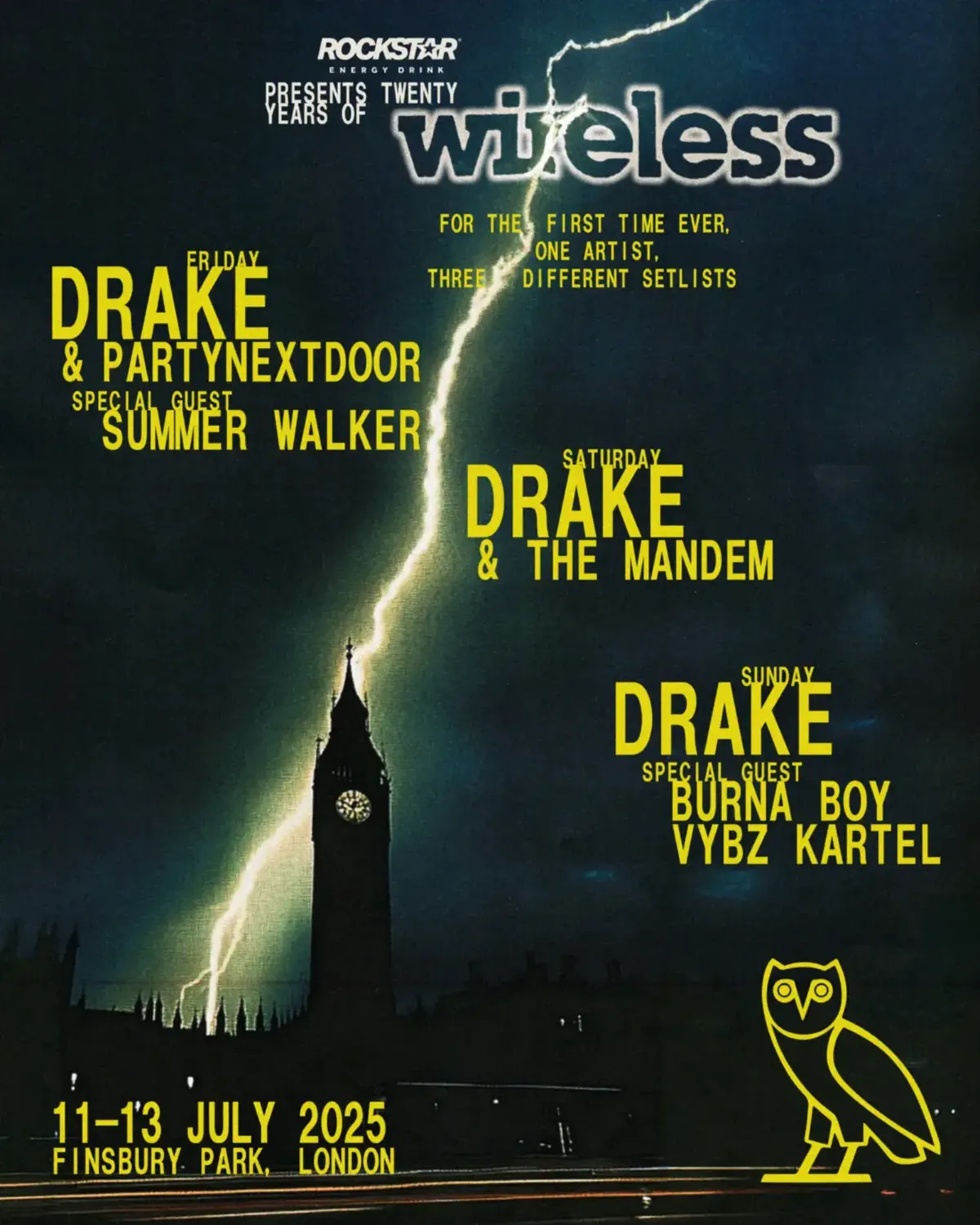
“Forgiveness and giving people a second chance are becoming a lost virtue in this ever-increasing divisive world,” said Melvin Benn, managing director of Festival Republic, in a statement that encapsulates the turmoil surrounding the upcoming Wireless Festival 2026. Scheduled to take place from July 10 to July 12 in London, the festival was set to attract around 150,000 attendees, with Ye, formerly known as Kanye West, as its headliner. However, the event has been thrown into chaos following the UK Home Office’s decision to deny Ye entry into the country.
The backdrop to this controversy is Ye’s history of making antisemitic remarks, including expressing admiration for Adolf Hitler, which has drawn widespread condemnation. As the festival approached, major sponsors such as Pepsi, Diageo, Rockstar, and Paypal withdrew their support, citing the controversy surrounding Ye. This withdrawal not only reflects the sponsors’ concerns but also highlights the growing unease within the public sphere regarding figures with such divisive histories.
In a surprising turn of events, the Home Office initially granted Ye an electronic travel authorization (ETA) but later rescinded it, leading to the festival’s cancellation just as presales were about to begin. “The Home Office has withdrawn Ye’s ETA, denying him entry into the United Kingdom,” a statement confirmed, leaving fans and organizers in disarray. Refunds will be issued to customers who had already purchased tickets, but the financial and reputational damage to the festival is significant.
Melvin Benn defended the decision to book Ye, emphasizing the importance of forgiveness in today’s society. He remarked, “Ye’s previous statements about Jews and Hitler were described as abhorrent,” yet he argued for the necessity of dialogue and second chances. His comments reflect a broader debate about accountability in the public eye, especially for artists whose work continues to resonate despite their controversial actions.
Political figures have also weighed in on the situation. Keir Starmer, the UK Prime Minister, expressed his concerns regarding Ye’s booking, stating, “Antisemitism in any form is abhorrent and must be confronted firmly wherever it appears.” This sentiment resonates with many who believe that public platforms should not be afforded to individuals who propagate hate, regardless of their artistic contributions.
As the festival’s cancellation marks a significant moment in the intersection of music, sponsorship, and social responsibility, it raises questions about the future of similar events. With no confirmed replacement headliners or sponsors stepping in to fill the void left by Ye’s withdrawal, the landscape for the Wireless Festival 2026 appears bleak. The event, which once promised to be a celebration of music and culture, now stands as a cautionary tale about the complexities of modern celebrity and public sentiment.
Looking ahead, the festival’s organizers are likely to face scrutiny over their future bookings and the values they choose to promote. The fallout from this incident may lead to a reevaluation of how festivals engage with artists who have controversial pasts. As Melvin Benn noted, the virtue of forgiveness is increasingly rare, but in the face of public outcry, it remains to be seen whether the music industry can navigate these turbulent waters effectively.
Details remain unconfirmed regarding the next steps for the festival and its organizers, but the implications of this cancellation will likely reverberate throughout the industry for some time to come.