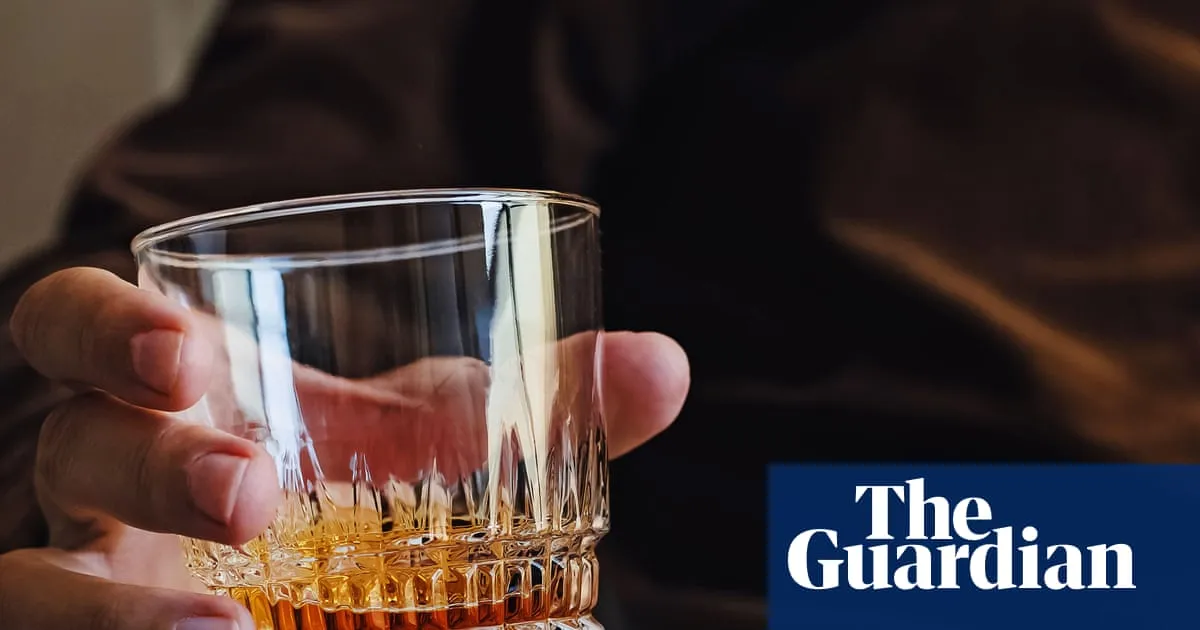
What does the recent ruling by a US appeals court regarding the federal home distilling ban mean for personal liberties? The court has declared this nearly 158-year-old ban unconstitutional, a significant shift in the landscape of home distilling.
The Fifth US Circuit Court of Appeals in New Orleans ruled in favor of the Hobby Distillers Association and four of its members, including Rick Morris, who sought the right to distill bourbon whiskey at home. This ruling not only overturns a law enacted in July 1868 during the Reconstruction era but also allows individuals to obtain permits to set up a distillery and follow federal regulations.
Historically, the ban was designed to combat liquor tax evasion and imposed severe penalties, including up to five years in prison and a $10,000 fine for violators. The court’s decision highlights that the ban has inadvertently reduced tax revenue by preventing distilling activities.
Edith Hollan Jones, a judge on the panel, emphasized that the government’s rationale could lead to an overreach of authority, stating, “Without any limiting principle, the government’s theory would violate this court’s obligation to read the constitution carefully to avoid creating a general federal authority akin to the police power.” This perspective underscores a growing concern about individual rights versus government regulation.
The ruling is viewed as a major victory for the plaintiffs and a turning point for hobby distillers across the nation. With approximately 1,300 members in the Hobby Distillers Association, this decision could pave the way for a new era of home distilling.
As the implications of this ruling unfold, it raises questions about the future of alcohol regulation in the United States. Will this lead to further challenges against other restrictive laws? The Hobby Distillers Association has long argued for the right to distill spirits for personal consumption, and this ruling could embolden similar movements.
Looking ahead, the landscape of home distilling in the US may change dramatically as individuals explore their newfound rights. However, details remain unconfirmed regarding how the federal government will respond to this ruling and what specific regulations will be implemented for home distillers.
In a light-hearted remark, Andrew Grossman, a legal expert, expressed his anticipation for the products that hobby distillers might produce, saying, “I look forward to sampling their output.” This sentiment captures the excitement surrounding the ruling and its potential to invigorate a previously restricted hobby.