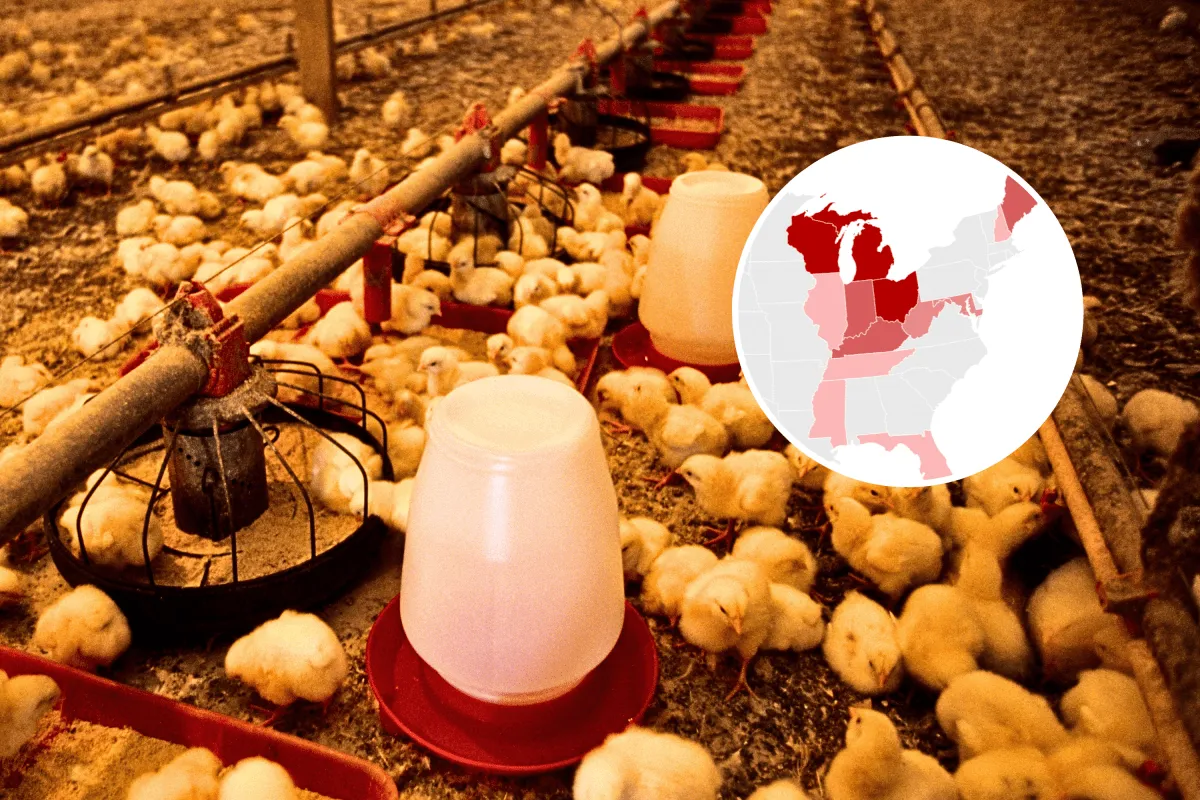
The outbreak of drug-resistant Salmonella has sickened at least 34 individuals across 13 states after exposure to backyard poultry. Alarmingly, children account for more than four in ten cases — with those under five years old particularly vulnerable.
The Centers for Disease Control and Prevention (CDC) confirmed that as of April 13, there are 34 reported infections linked to this strain, known as Salmonella Saintpaul. Thirteen patients required hospitalization.
This situation underscores a troubling trend: antibiotic resistance is becoming increasingly prevalent in infectious diseases. The outbreak strain has shown resistance to key antibiotics, including fosfomycin. Such resistance complicates treatment options and raises concerns about the efficacy of our current medical interventions.
Infections can occur when individuals touch backyard poultry or contaminated surfaces and then fail to wash their hands before eating or touching their mouths. The CDC estimates that many more infections likely go undetected since many people recover without seeking medical care — a reality that further complicates public health responses.
Key statistics:
- 34 confirmed infections reported by the CDC
- 13 individuals hospitalized due to complications
- Children under five account for over 40% of cases
- The median age of patients is 12 years, with ages ranging from under a year to 78
The CDC has previously investigated multiple salmonella outbreaks associated with backyard poultry in recent years. This connection suggests systemic issues within poultry farming practices that may need addressing to ensure food safety.