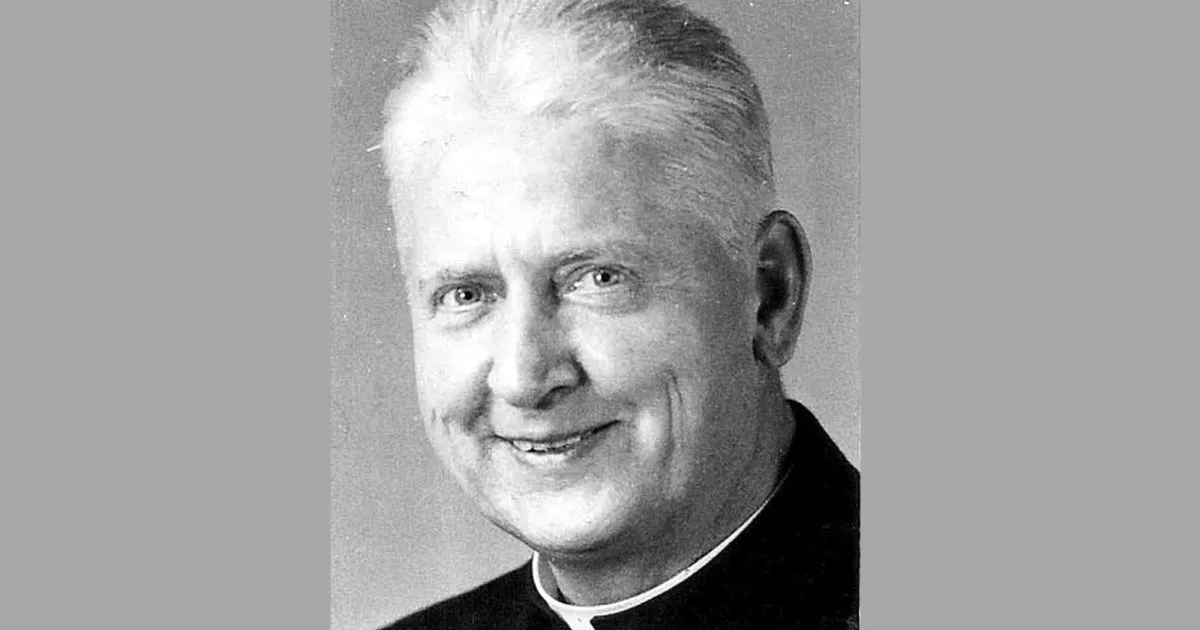
Fr. Walter Ciszek, a Jesuit priest who endured two decades of imprisonment in the Soviet Union, was once considered a candidate for sainthood. His life story is one of remarkable faith—he was arrested by Soviet authorities in 1941 and sentenced to 15 years of hard labor, enduring torture and deprivation before being released in 1963 through a prisoner swap arranged by the United States. The cause for his canonization was opened in March 2012 under the title ‘Servant of God,’ and for many, his example of resilience offered hope.
However, in an unexpected turn of events, the Diocese of Allentown announced that the canonization cause for Fr. Ciszek has been formally terminated. The decision came via an April 9 letter from Msgr. Ronald Bocian, stating bluntly that “the documentation relating to Fr. Ciszek’s Cause does not support advancing his Cause for Beatification or Sainthood.” This revelation raises significant questions about what constitutes sufficient evidence for such an important recognition within the Church.
The Diocese expressed its gratitude for the years of prayer and support from the faithful who have championed Fr. Ciszek’s legacy. Yet still—this news brings disappointment to many who found inspiration in his unwavering faith during harrowing times. Observers note that this decision indicates that the evidentiary threshold for canonization has not been met, leaving some to wonder what specific criteria were lacking.
Despite the termination of his canonization process, the legacy of Fr. Ciszek will not be forgotten. The Walter Ciszek Prayer League is set to continue its mission as the Father Walter J. Ciszek Society, focusing on remembering him and spreading his message of hope and perseverance. His life story remains a testament to faith under duress—a narrative that resonates deeply with many.
As discussions about this decision unfold, it’s clear that while some may view this as a setback, others see it as an opportunity to reflect on what sainthood means in today’s context. The Church’s standards for canonization are rigorous—and this situation underscores how those standards can impact even the most revered figures.
In light of these developments, it will be interesting to observe how this affects public perception of both Fr. Ciszek’s legacy and the Church’s role in recognizing modern-day saints. The existing record did not meet that standard—what does that say about our understanding of holiness?
Details remain unconfirmed regarding whether there will be any further efforts to revisit his cause in the future or if this decision is final. For now, Fr. Walter Ciszek remains a figure whose life story continues to inspire many—though he may not achieve formal recognition within the canonized ranks.